
ELS: MBN360 Extractives/Energy
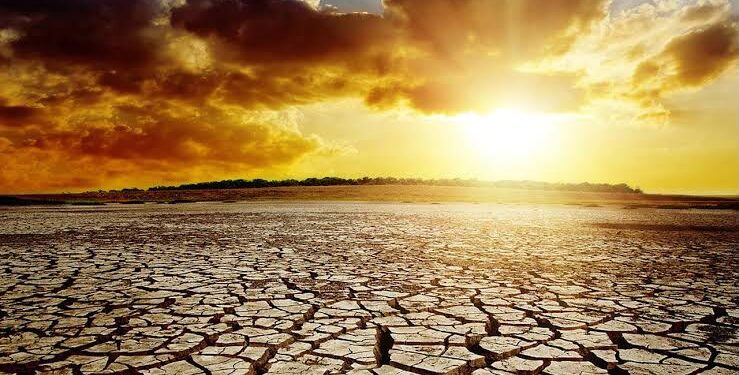
Ghana could face more than 4,000 additional heat-related deaths every year by 2050 unless electricity access expands fast enough to support life-saving cooling technologies such as fans and air conditioners, according to a new report by the Climate Impact Lab.
The report places Ghana among 18 countries trapped in what researchers describe as a “Mortality-Cooling Trap”, a situation where temperatures rise rapidly while electricity supply grows too slowly for households to adapt effectively to extreme heat.
For a country already experiencing increasingly frequent heat waves and rising urban temperatures, the warning shifts the conversation beyond climate change alone to the ability of Ghana’s energy system to protect public health.
Roughly one-third of Ghana’s population is estimated to live in areas facing the highest risk, where growing exposure to dangerous heat is not matched by adequate access to cooling.
The findings, suggest that the challenge is not simply about producing more electricity, but about ensuring reliable and affordable energy reaches households that need it most.
A public health warning with energy at its core
The report argues that access to electricity is becoming one of the most important tools for surviving extreme heat.
Researchers estimate that climate-driven temperature increases could contribute to about 430,000 additional deaths globally each year by 2050, with the ability to avoid many of those deaths depending heavily on access to cooling.

Air conditioning is a lifesaver, and climate change will no doubt lead to more AC adoption in today’s wealthy countries.Michael Greenstone, co-founder of the Climate Impact Lab and a professor at the University of Chicago.
Our research finds, however, that in too many countries around the world people will not be able to respond in the same way.
According to the report, this creates a profound inequality: countries that have contributed least to global emissions may face some of the most severe consequences because they lack the infrastructure needed to adapt.
Ghana’s electricity challenge
Ghana has made significant progress in expanding electricity access over the past two decades, yet the report suggests that future demand for cooling could outpace the growth of reliable power supply.
The concern is not only national generation capacity but also the affordability, reliability and availability of electricity during periods of extreme heat.
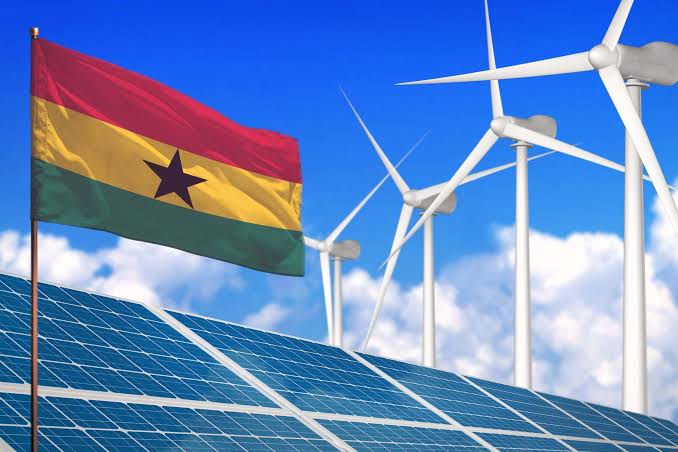
Researchers argue that improving the functioning of electricity markets and delivering dependable power at lower cost will be essential if households are to adopt the cooling technologies that can reduce heat-related illness and death.
The warning comes as Ghana continues to pursue investments in transmission upgrades, renewable energy, battery storage and other power sector reforms intended to strengthen the national grid.
How Ghana compares with its neighbours
The report presents a mixed picture for Ghana within West Africa.
Ghana is projected to fare better than Burkina Faso and Togo, where heat-related mortality risks are expected to be significantly higher.

However, the report suggests Ghana could perform worse than Nigeria and Côte d’Ivoire, neither of which appears on the list of countries caught in the Mortality-Cooling Trap.
Read also:
- KNUST calls for collective action to tackle student mental health, financial pressures
- ShattaFest UK cancelled over stampede incident
- Glasgow 2026: Ghana stripped of historic Commonwealth relay bronze after Canada wins appeal
- Two sets of laws for two sets of people in Ghana – Godfred Dame on Sedina Tamakloe case
Nigeria, for example, is projected to experience a much stronger increase in electricity consumption, potentially giving households greater ability to use cooling technologies during extreme heat events.
This comparison highlights an important point: the key determinant is not only how hot a country becomes, but how quickly its energy system can support adaptation.
Africa’s wider cooling crisis
The report identifies a much broader regional challenge across Africa, particularly in the Sahel and northern sub-Saharan Africa.
Areas home to 676 million people are projected to face the combination of rapidly rising temperatures and minimal growth in electricity supply.
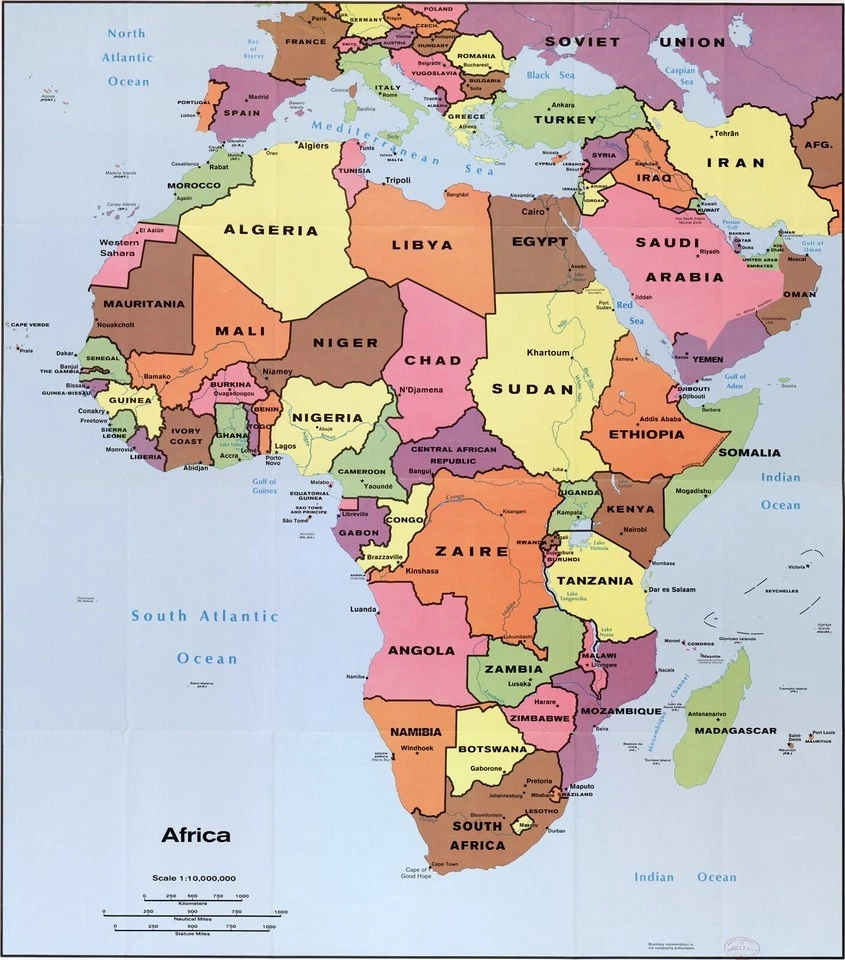
Within those trapped regions, researchers estimate that around 377,000 people could die annually by 2050 as a result of this dangerous mismatch.
Countries such as Niger, Mali, Burkina Faso and Chad are expected to see only very small increases in electricity availability per person, levels that may still be insufficient for many households to operate fans or air conditioners.
Even where electricity consumption is projected to rise sharply, the increase often starts from such a low base that reliable cooling remains out of reach for large parts of the population.
The contrast with wealthier hot countries
The report draws a striking comparison with Gulf countries such as Bahrain, Kuwait and Saudi Arabia.

These countries experience temperatures comparable to or even higher than many parts of sub-Saharan Africa, yet they consume far more electricity for cooling and are projected to see much lower heat-related mortality.
The difference, researchers argue, is not climate alone but the availability of affordable, reliable energy infrastructure that allows households to protect themselves from extreme heat.
What the warning means for Ghana
For Ghana, the findings turn electricity planning into a public health issue as much as an economic one.
Reliable power is increasingly linked not only to industry and growth but also to the ability of households, schools, hospitals and workplaces to cope with rising temperatures.
The report suggests that investments in generation, transmission, distribution and affordable electricity access could become critical climate adaptation measures.
It also raises questions about urban planning, building design, energy efficiency and the future demand for cooling as temperatures continue to rise.
A call for urgent action
The Climate Impact Lab’s warning is ultimately a warning about timing.
Temperatures are projected to rise steadily over the coming decades, and the report argues that electricity expansion must move fast enough to keep pace.
For Ghana, the challenge is no longer only whether the country can generate more power, but whether it can deliver reliable, affordable electricity quickly enough to prevent rising heat from becoming a growing public health emergency.
As climate risks intensify, the report suggests that the most effective adaptation may be the one that arrives through the power socket before the next heat wave does.