Els: MBN360 Extractives/Energy
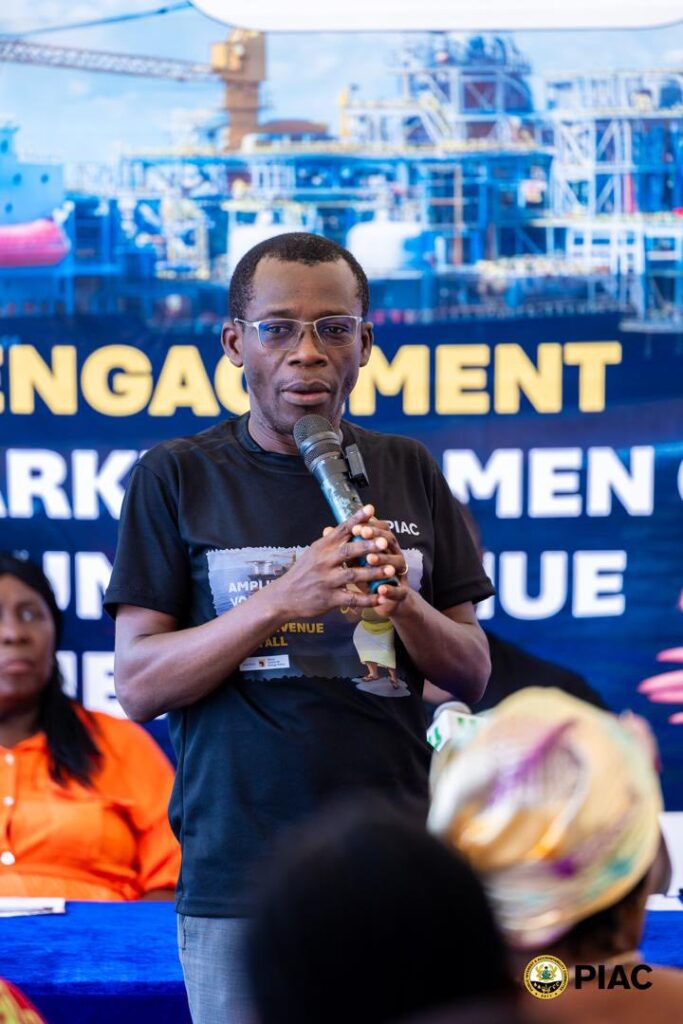
saac Dwamena, the Executive Secretary of the Public Interest and Accountability Committee (PIAC), has expressed grave concern over the mismanagement of Ghana’s petroleum revenues, revealing that over GH₵100 million in oil funds invested between 2014 and 2016 now sits as abandoned projects across the country.
This financial leakage, according to the Committee, stems from a lack of continuity in government priorities, where successive administrations often sideline inherited initiatives in favor of new agendas, leaving millions of taxpayers’ cedis to rot in the bush.
“If we do not complete this project and another government comes and says, it is not my priority, then we will have sunk so much into the projects already. This is our predicament and these are the reasons for which PIAC is seeking to get the support of citizens that we demand accountability from duty-bearers. We must ensure they use revenues in a particular way so that the benefits will be long-lasting.”Isaac Dwamena
Isaac Dwamena noted that the dispersed nature of these investments spanning CHPS compounds, school blocks, and road infrastructure like the deteriorating Accra-Kumasi Road has resulted in “sunk costs” that offer no tangible benefit to the citizenry.
During recent field inspections, the Committee discovered that several health facilities funded by petroleum revenue had become so overtaken by weeds that teams literally “got lost” trying to locate the structures.
PIAC argues that without a binding national development framework, petroleum funds will continue to be “invested in so many” small-scale projects that are eventually left to the elements when political leadership shifts.
The “Sunk Cost” Trap and the Call for Legacy Projects
The current “piecemeal approach” to petroleum revenue expenditure remains the greatest threat to Ghana’s economic value realization.
PIAC’s monitoring shows that spreading the Annual Budget Funding Amount (ABFA) across thousands of small, uncoordinated projects prevents the completion of “legacy projects” that could define the nation’s infrastructure.
Read also:
- NPP has the edge to win 2028 polls – Afoko
- Over 70km cleared for Kumasi Expressway project — Mahama
- Nothing Celebratory for Us Over Ofori-Atta’s Residency Ruling — Ahiagbah
- Petroleum Commission Urges Strategic Regional Investment for West African Gas
- Minority Demands Appearance of Gold Board CEO Amid Procurement Questions and Financial Scrutiny
Dwamena highlighted that even critical arteries like the Accra-Kumasi Road, which has “received petroleum revenue funding” repeatedly, remain in a “bad” state because the funding is not utilized to execute the project to finality.
To bridge this gap, the Committee recommends that the government caps the number of projects receiving oil funding. Instead of the current trend where petroleum revenue is “invested in so many CHPS compounds and classroom blocks” that are never finished, PIAC suggests a “priority focus” model.
Under this model, funds would be ring-fenced for specific, high-impact national assets such as the Agenda 111 hospitals ensuring they are fully commissioned before new projects are initiated.
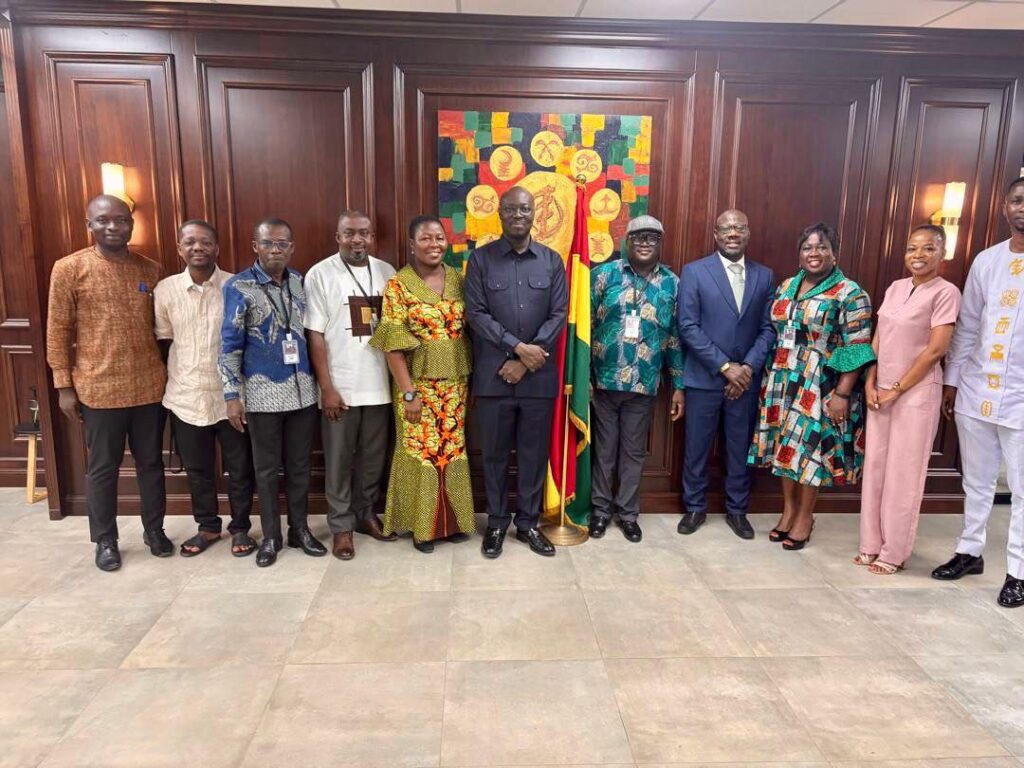
Strategic Realignment: Transitioning to Green Energy Stability
With the “National Energy Transition Framework” aiming for net-zero by 2070, Ghana cannot afford to waste its dwindling oil windows on weed-covered concrete.
Government must pivot its petroleum revenue utilization toward “future-proof infrastructure” that supports both energy security and the green transition.
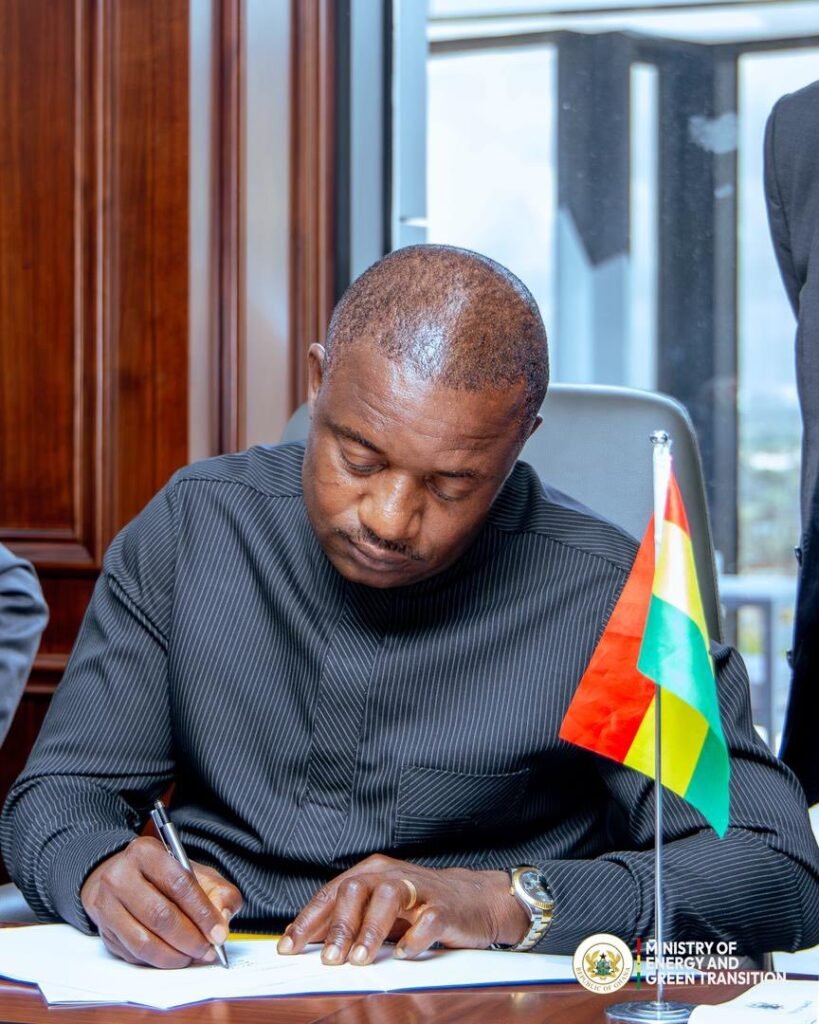
Accountability and the Role of the Citizenry
Ultimately, the power to end this cycle of waste lies in the hands of the “citizens that we demand accountability from duty-bearers,” as Dwamena rightfully pointed out.
The “predicament” of having structures “covered with weeds” while the national debt rises is a failure of oversight that requires a more “collaborative option” between PIAC, the Ministry of Finance, and the general public.
To ensure “long-lasting benefits,” the government must adopt a more transparent “tracking system” for every cedi of petroleum revenue.
This system should provide real-time updates on project milestones, ensuring that no project is “abandoned” simply because a new government has a different priority.