ELS: MVBN360 NEWS
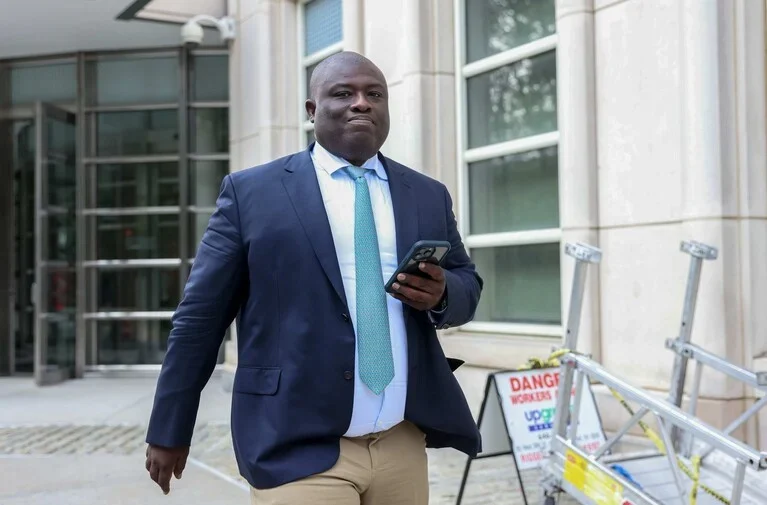
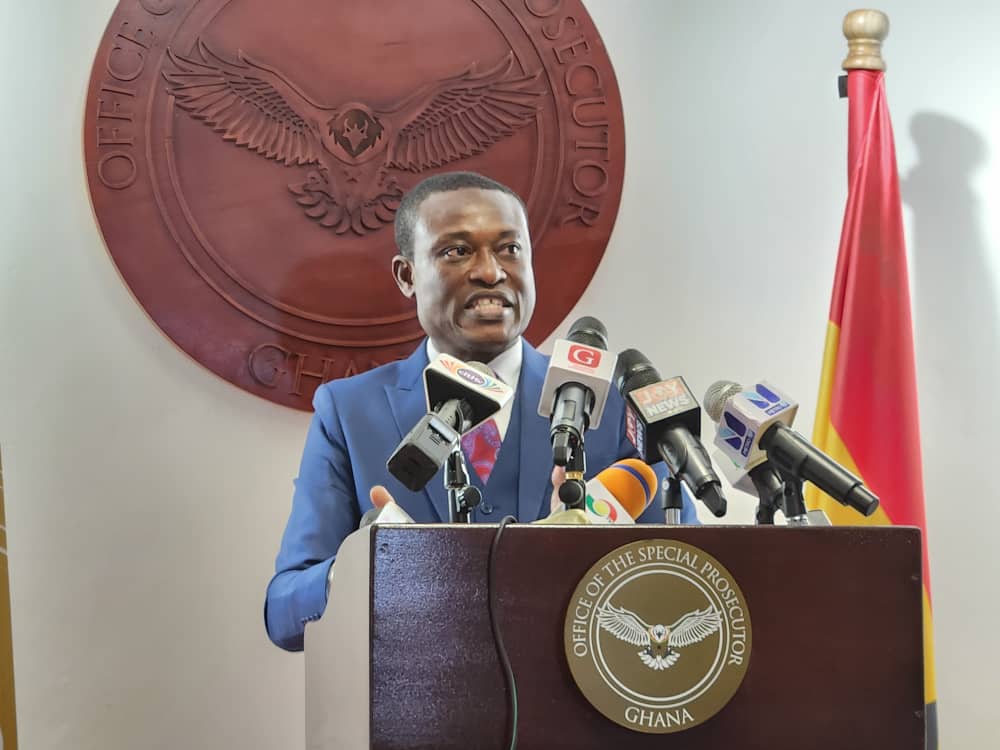
The Office of the Special Prosecutor has confirmed that it supplied investigative and evidentiary assistance to the United States Federal Bureau of Investigation in the case that ended on 6 August 2026 with a federal jury in Brooklyn convicting Asante Kwaku Berko of paying more than one million dollars in bribes to Ghanaian officials.
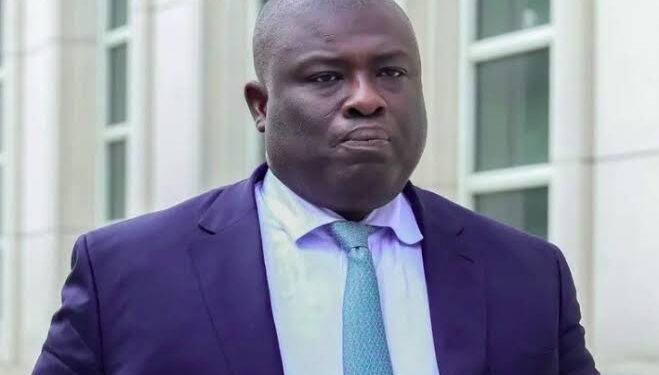
Asante Berko, a dual citizen of Ghana and the United States, formerly managed Tema Oil Refinery and served as an Executive Director in the Investment Banking Division of Goldman Sachs. The OSP disclosed its involvement in a public notice describing the outcome as proof of what mutual legal assistance can achieve across borders.
Within hours, the disclosure drew a pointed question from investigative journalist Manasseh Azure Awuni, who asked what the anti-corruption office has done about the Ghanaian officials who allegedly collected the money, rather than the banker who paid it.
What the Brooklyn jury decided
The jury found that Berko conspired to pay and paid bribes between 2014 and 2015 in connection with the development and financing of a power plant in Ghana.
The payments flowed to multiple Ghanaian officials under a deal between the Republic of Ghana and Aksa Enerji Uretim A.S., a Turkish energy company and a Goldman Sachs client, struck while the country struggled through a severe electricity crisis.
Court records show the jury returned guilty verdicts on every count in the indictment, covering conspiracy to violate the Foreign Corrupt Practices Act, violating that Act, and money laundering conspiracy.
The verdict followed a nine-day trial before United States District Judge Diane Gujarati in the Eastern District of New York. Berko was arrested in London in November 2022 under an Interpol notice and extradited to the United States in July 2024. Goldman Sachs had withdrawn from the transaction after identifying corruption concerns around the deal.
The role Ghana played behind the scenes
According to the OSP notice, the office channelled its support through Ghana’s established mutual legal assistance framework, and the United States Department of Justice credited that support in its own account of the case. The OSP said the Department described its contribution as offering “significant assistance to this prosecution.“
Read also:
- University Administrators Demand Pay Based on Professional Worth — GAUA General Secretary
- Minister upholds revocation of Adamus Resources mining leases following independent committee review
- AKSA Energy deal: Evidence of conspiracy enough to prosecute implicated officials – Ayikoi Otoo
- Mahama’s Jamaica Visit Cemented Shared History and Trade Future, Bawah Mogtari.
- Ghana needs security experts at Defence Ministry, not civilians – Elvis Darko
The office framed the outcome as a demonstration of how cross-border corruption cases succeed. It noted that the cooperation between the FBI and the OSP unfolded away from public view, and that the conviction shows why mutual legal assistance matters in prosecuting crimes that span jurisdictions.
The question the OSP has not answered
That framing is exactly what Manasseh Awuni challenged. His argument turns on a gap the notice leaves open, namely that a bribery case has two sides and only one of them has now produced a conviction, in a foreign court, of a man who paid rather than the officials who allegedly received.
“Should the OSP not be telling us what it has done about the officials who allegedly received the bribes in Ghana? It is okay to bask in the FBI and America’s Department of Justice’s successful conviction, but what has the OSP done about the Ghanaian officials?”.
He pointed out that American investigators spent years building the case and drew support from both the Attorney-General’s Department and the OSP along the way. “The Americans have spent years investigating this case and have received support from Ghana’s A-G Department and the OSP,” he wrote.
His sharpest observation concerned the timing of Ghana’s public posture. “The A-G announced it was collaborating with American authorities to probe only after questions arose about whether officials in Ghana would face justice,” he wrote, before returning to the question the notice sidesteps. “What has the OSP been doing on the Ghana side of this case?”
What happens next
Judge Gujarati will sentence Berko on 10 November 2026. He faces a maximum term of thirty years in prison and has been remanded in custody until then. For the OSP, the sentencing date carries a second significance.

The notice presents the conviction as a milestone in international cooperation, and on its own terms it is one. Ghana’s anti-corruption architecture supplied evidence that helped secure a conviction in an American courtroom, which is not a small achievement for an office that has faced sustained criticism over its output.
The harder test sits at home. The officials named in the American case were Ghanaian, the power plant was Ghanaian, and the money moved to secure a Ghanaian government contract.
Manasseh Awuni’s question asks whether the same evidence that proved persuasive to a Brooklyn jury will produce charges in Accra, and the OSP notice offers no answer. Between now and November, that silence will grow louder