

ELS: MBN360 NEWS
The Interior Minister, Honourable Muntaka Mohammed-Mubarak has announced that organisations verifying identities must move from visual checks to biometric authentication under new regulations governing the use of the Ghana Card. He explained that the policy seeks to strengthen identity verification and protect citizens from the misuse of personal information.
The new framework places responsibility on institutions that handle identity checks during transactions. Banks, telecommunications companies, insurance firms, hospitals, schools and government agencies are among the organisations expected to connect to the National Identification Authority’s identity verification system.
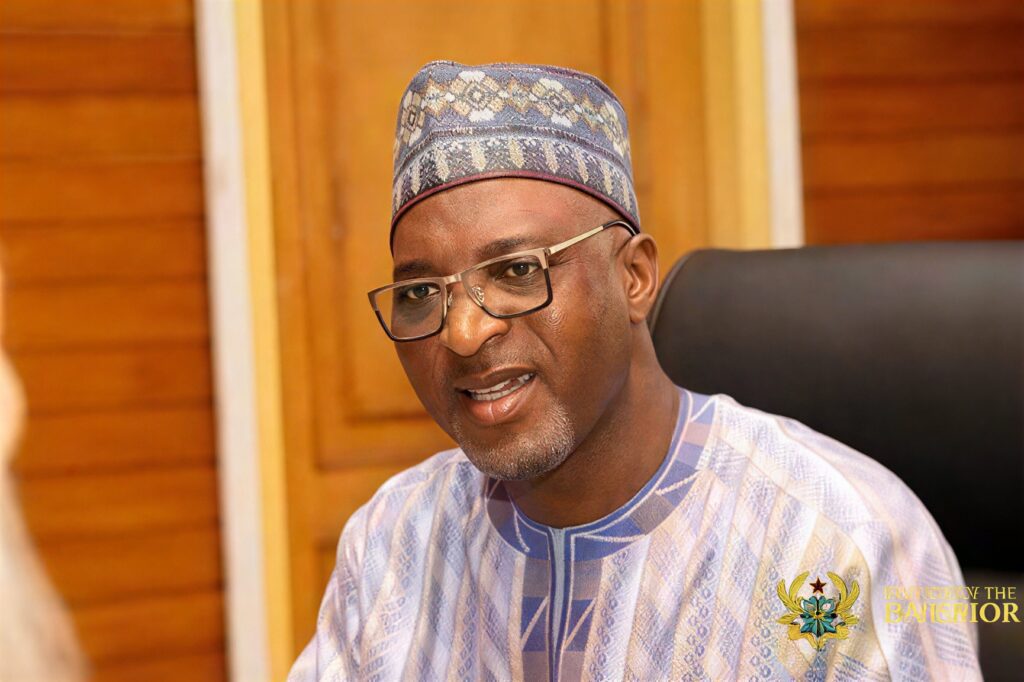
Honourable Mohammed-Mubarak indicated that the National Identification Authority would establish dedicated compliance teams to monitor the implementation of the regulations. These teams are expected to conduct checks, investigate reported breaches and collaborate with law enforcement agencies where violations occur.
According to the Interior Minister, the regulations carry significant penalties for institutions that fail to comply with the new requirements. Organisations could face fines running into thousands of penalty units, suspension or termination of access to the NIA’s identity verification system.
Individuals who misuse a Ghana Card or refuse lawful verification could also face fines, imprisonment or both. The enforcement measures, he explained, were designed to hold accountable persons and institutions that expose citizens’ personal data to unnecessary risks.
Honourable Mohammed-Mubarak, however, indicated that the government was providing support to ease the transition. The NIA has published specifications for portable card readers and approved biometric devices while sensitisation and technical assistance are being prepared for organisations.
The government has also granted institutions a three month transition period to establish the infrastructure and train personnel required for full compliance. The period runs from July 27 to November 2, 2026, although organisations are expected to begin preparations immediately.
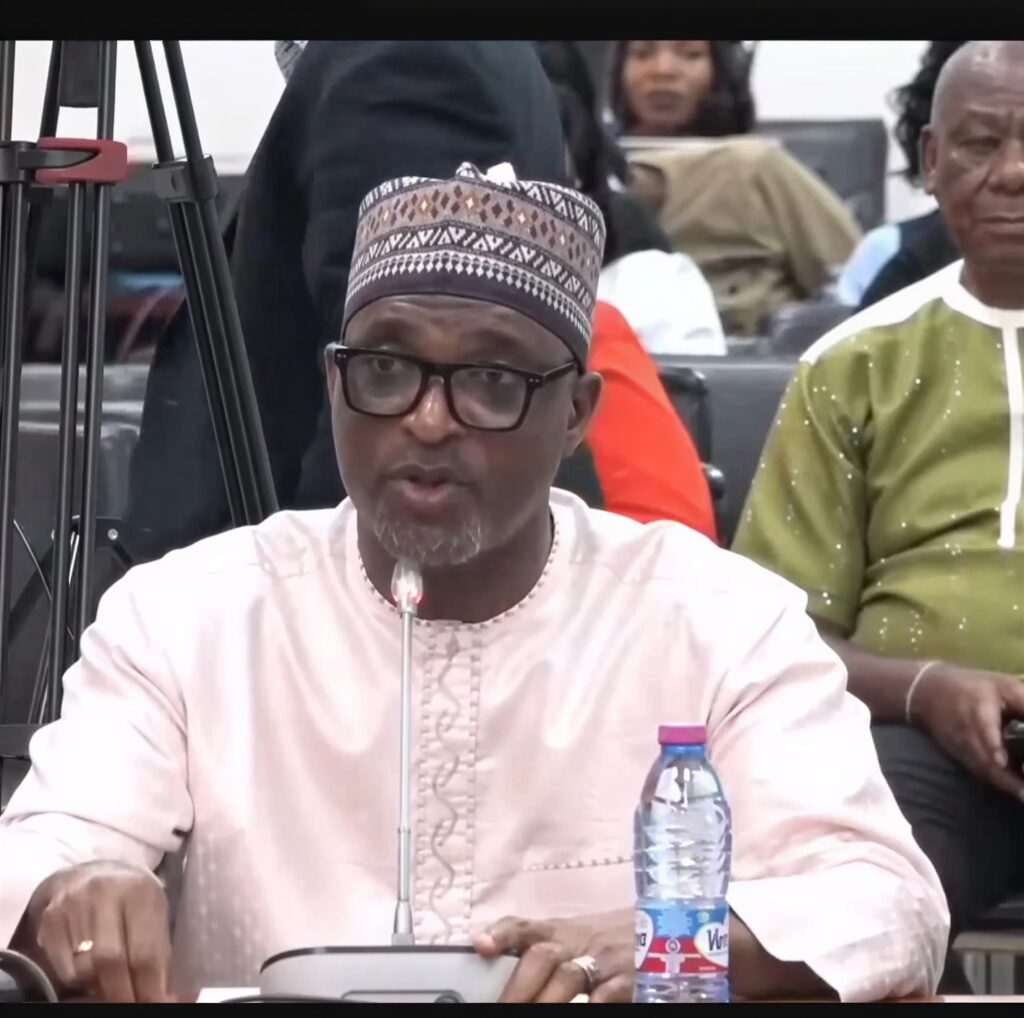
The Interior Minister clarified that the transition period does not suspend the obligations created by the regulations. Instead, it gives institutions time to put the necessary systems in place before full enforcement takes effect.
“Government and the National Identification Authority recognise that this is a significant change for many businesses and institutions. We are not approaching this as a trap.”Honourable Muntaka Mohammed-Mubarak
Honourable Mohammed-Mubarak further explained that the regulations were aimed at protecting citizens while ensuring that organisations adapt to more secure verification procedures. He consequently called on all institutions that verify identities as part of their operations to begin or complete the onboarding process without delay.
Read also:
- CompuGhana Rewards Customers, Opens New East Legon Showroom
- Nearly 1 million Ghanaians lifted out of poverty in a year — Ato Forson
- Ghana’s economy tops $100 Billion for first time, now 8th largest in Africa – Ato Forson
- St Mirren agree deal to sign Ghana U20 winger Abdul Hakim Sulemana
- GPL: Medeama sign highly rated midfielder Etse Dogli from Heart of Lions
Biometric Checks Replace Ghana Card Photocopies Under New Rules
The Interior Minister explained that visual inspection could fail to establish whether the person presenting a Ghana Card was its rightful holder. Photocopies and scanned images could also be altered, reused or circulated without the knowledge of the card owner.
Biometric authentication therefore creates a direct link between the person conducting a transaction and the identity recorded in the National Identity Register. The process allows an organisation to confirm the identity of the cardholder without creating unnecessary copies of sensitive personal information.
“Biometric verification closes that gap. It confirms at the point of a transaction that the person standing before you is the person that card belongs to.”Honourable Muntaka Mohammed-Mubarak
Under the Legislative Instrument, organisations covered by Regulation 7 must verify identities through biometric authentication against the National Identity Database. They may also use match on card verification through devices approved by the National Identification Authority.
The new rules also restrict the handling of Ghana Card images during identity checks. Organisations are prohibited from requesting, retaining or reproducing photocopies, scanned copies or images of the card for verification purposes.
The regulations further limit the use of biometric methods to systems approved by the National Identification Authority. This requirement is intended to ensure that identity checks follow a uniform process across institutions and sectors.
Private individuals involved in certain transactions are also expected to use biometric verification where practicable. They are prohibited from retaining or sharing card images and personal data except where permitted by law or with the consent of the cardholder.
Another provision creates an offence for a person who, without reasonable excuse, refuses to allow an authorised law enforcement officer or other authorised person to scan a fingerprint on the Ghana Card. The same requirement applies to the taking of a live image for identity verification where the law permits it.
Honourable Mohammed-Mubarak indicated that the changes were designed to close gaps that had existed under the previous approach to identity checks. The new system consequently places greater emphasis on authenticating the person behind the identity document during a transaction.
The framework also seeks to reduce the circulation of citizens’ personal information through paper files, mobile phones and email accounts. By limiting the creation and storage of card copies, the regulations establish stronger safeguards around personal data.
The Interior Minister consequently called on individuals and organisations to familiarise themselves with the new requirements. He further indicated that compliance would be supported through technical assistance during the transition period as the country moves towards a more secure national identity verification system.