ELS: MBN360 Entertainment
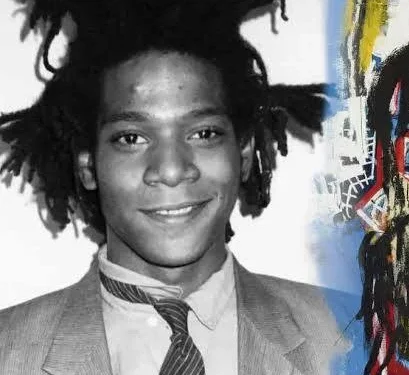
Netflix has secured the rights to what is being hailed as the definitive documentary on the iconic artist Jean-Michel Basquiat, marking a significant milestone in preserving and presenting his complex legacy to a global audience.
The film, simply titled Jean-Michel Basquiat, is set to premiere at the 2026 Tribeca Film Festival before streaming on the platform later this year. Directed by Quinn Whitney Wilson in her feature directorial debut and co-directed by Viridiana Lieberman, the project stands out as the first documentary produced with the full participation and approval of the artist’s estate.
This collaboration brings unprecedented access to intimate family archives, including home movies, photographs, sketches, notebooks, and never-before-seen artworks. Basquiat’s sisters, Lisane Basquiat and Jeanine Heriveaux, serve as executive producers and provide new interviews that illuminate the man behind the myth.
Their involvement ensures a nuanced portrayal that captures Basquiat’s full humanity-his charisma, contradictions, vulnerabilities, and unparalleled artistic vision rather than perpetuating the romanticized narrative of a street-savvy prodigy plucked from obscurity.
Born on December 22, 1960, in Brooklyn to a Haitian father and a Puerto Rican mother, Basquiat grew up in a middle-class household that valued education and creativity. His mother, Matilde, nurtured his early interest in art, exposing him to museums and encouraging his drawing from a young age.
Despite this relatively stable upbringing, Basquiat’s life was marked by turbulence. A childhood car accident at age seven left him with lasting physical effects, and his parents’ divorce further disrupted his world. He attended private schools but chafed against authority, eventually running away from home as a teenager amid the vibrant, chaotic energy of late-1970s New York.
Adopting the graffiti tag SAMO© with friend Al Diaz, Basquiat quickly immersed himself in the downtown art scene. His work blended graffiti, street art, punk aesthetics, and profound social commentary, often incorporating text, symbols like crowns, and references to African diaspora history, sports, and classical mythology.
By the early 1980s, he had transitioned from selling postcards on the street to exhibiting in prestigious galleries. His meteoric rise coincided with the explosive New York art boom, where he collaborated with Andy Warhol and befriended luminaries like Madonna.
Basquiat’s paintings commanded high prices and critical acclaim, but his personal life was fraught with the pressures of fame, substance abuse, and the racial dynamics of the predominantly white art world.
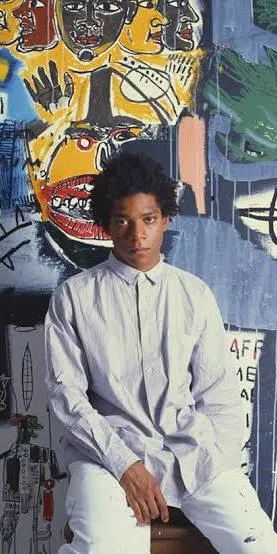
The documentary delves deeply into these layers. It challenges the persistent myth of Basquiat as a “primitive” genius emerging from the streets, emphasizing instead his privileged yet rebellious background, formal influences, and deliberate cultivation of his persona.
Public Reaction
Viewers witness his playful yet intense presence in archival footage from public-access TV shows like “TV Party,” his close but ultimately strained relationship with Warhol, and the raw emotional toll of addiction.
Jennifer Goode, a former girlfriend, shares insights into their shared struggles with heroin, highlighting Basquiat’s attempts at recovery and the private battles that accompanied his public triumphs.
Directors Wilson and Lieberman describe their goal as demystifying the artist while honoring the multifaceted ways he navigated the world. “Jean-Michel Basquiat’s legacy is undeniable,” they stated. “We see his art everywhere, from the most historical museums to the clothing moving through the streets. Yet the myth and the man are not one and the same… It’s long overdue to meet him in all the multifaceted and powerful ways he moved through this world.”
Read also:
- Community Led Climate Action Deserves Stronger Policy Support -Rt. Hon. Bagbin
- Oil Production Decline Hits Ghana’s Petroleum Revenues
- Google probed by Swiss regulator over Android default search feature
- Petroleum price floors increased for the second half of 2026 July pricing window.
- Ato Forson to Present 2026 Mid-Year Budget Review July 23
Netflix’s global platform was seen as the ideal home for this expansive vision.
The production team is equally impressive. Produced by Boardwalk Pictures, Indus Valley Media, and Radiant Media Studios in association with Interscope Films, H.Wood Media, and Laurel Canyon Pictures, the film boasts an extensive list of executive producers, including NFL star Travis Kelce.
Cinematography by Jo Jo Lam and music by James William Blades further enrich the visual and auditory experience, complementing the wealth of archival material.
For Basquiat’s family, the project represents a proud reclamation of their brother’s story. “We, his family, are deeply proud to see Jean-Michel’s full humanity brought to light with such care, intention and respect,” said Heriveaux and Basquiat.
This sentiment underscores the film’s departure from previous portrayals, such as Julian Schnabel’s 1996 biopic starring Jeffrey Wright or earlier documentaries like Jean-Michel Basquiat: The Radiant Child.
While those works offered valuable glimpses, none had the estate’s endorsement or access to such personal materials.
Basquiat’s untimely death from a drug overdose on August 12, 1988, at just 27 years old, cemented his status as a tragic figure in art history. Yet his influence has only amplified over time. Today, his works fetch record prices at auction, inspire fashion collections, and resonate across popular culture.
The documentary arrives at a moment when Basquiat’s voice addressing themes of identity, power, mortality, and cultural appropriation feels more relevant than ever amid ongoing conversations about representation in the arts.
Critics who attended the Tribeca premiere have praised the film for its balance and depth. Variety’s review called it “the fantastic documentary Basquiat deserves,” noting its ability to present both the light and dark sides of the artist without sanitization.
It portrays him as a child of privilege turned bohemian, a driven prodigy and thrill-seeking junkie, a media celebrity and meditative soul-all while showcasing the explosive creativity that produced an astonishing body of work in such a short lifespan.
As Netflix prepares for the global release, anticipation is building among art enthusiasts, cultural historians, and a new generation discovering Basquiat through social media and merchandise. The streaming giant’s acquisition ensures that this intimate yet expansive portrait will reach millions, potentially introducing Basquiat’s story to viewers who know his crown motifs or sampled lyrics but little of the man himself.
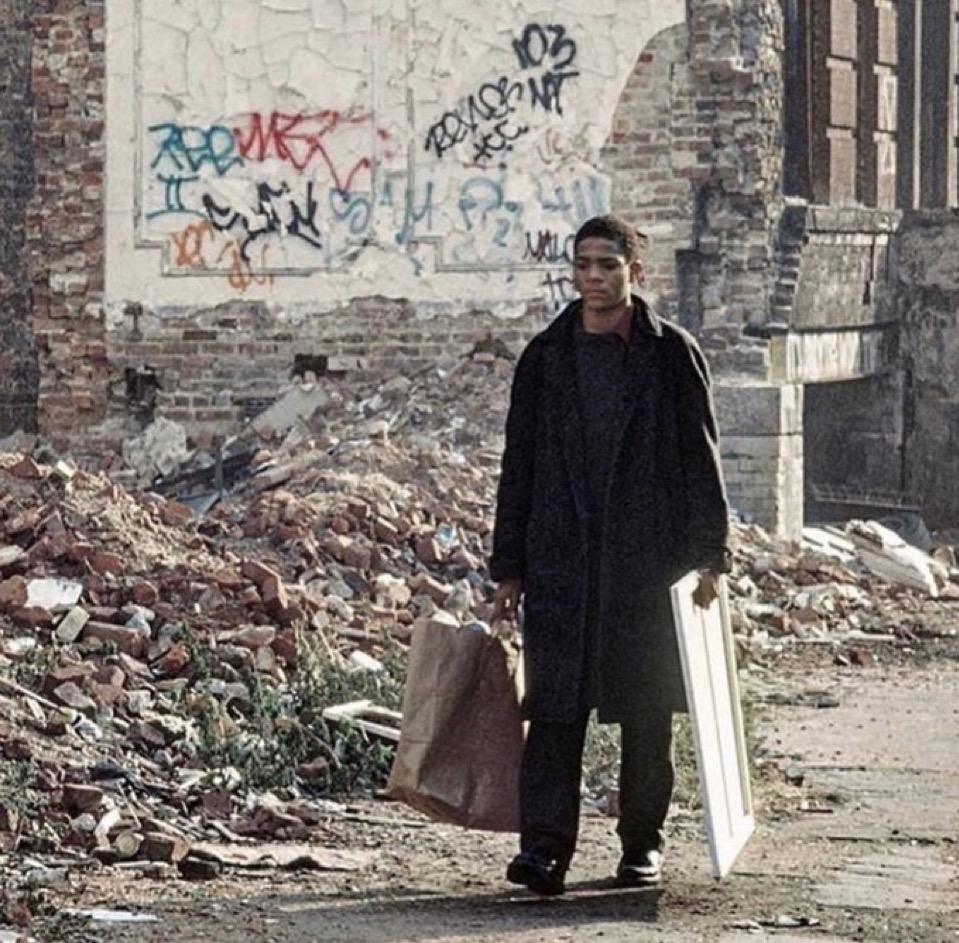
This documentary not only celebrates an artistic genius but also prompts reflection on the narratives we construct around Black artists, fame, and genius. By prioritizing family perspectives and archival richness, it humanizes Basquiat without diminishing his mythic stature.
In doing so, it reaffirms why his work continues to captivate: raw, urgent, and unfiltered, much like the life it so vividly documents.