ELS: MBN360 Economy
Ghana’s economy has delivered one of its strongest first half performances in recent years, raising hopes that the country is firmly on the path to sustained recovery.
However, leading professional services firm PwC has cautioned that the impressive gains recorded so far should not be mistaken for a complete escape from the country’s longstanding economic vulnerabilities.
In its assessment of the 2026 Mid-Year Budget Review, PwC acknowledged that Ghana has made genuine progress across several key economic indicators. Stronger fiscal discipline, improving debt restructuring efforts, healthier foreign exchange reserves, and lower domestic interest rates have all contributed to a more stable macroeconomic environment.
Yet, according to the firm, not every positive development reflects a lasting structural improvement. Some of the encouraging figures were supported by temporary factors that may not remain in place during the second half of the year.
This means businesses, investors, and policymakers must remain cautious even as confidence in the economy continues to improve.
Recovery Built on Solid Foundations But Temporary Factors Remain
PwC noted that the government’s disciplined management of public finances deserves recognition. Fiscal control has helped restore confidence while ongoing debt restructuring has eased pressure on public finances.
However, the firm explained that several other factors have also boosted economic performance. These include favourable base effects, delayed government expenditure, relatively supportive financial conditions, and stronger international reserves.
While these developments have strengthened Ghana’s economic outlook, PwC warned that some of these advantages may gradually fade.
Capital expenditure is expected to increase in the coming months as the government accelerates spending on infrastructure and education. At the same time, external risks continue to intensify, creating fresh uncertainty for the country’s economic outlook.
According to PwC, maintaining the same pace of improvement may become increasingly difficult as these pressures build.
Growth Targets Still Within Reach
Despite its cautious tone, PwC believes several of the government’s key economic targets remain achievable.
The firm said Ghana’s real Gross Domestic Product growth target of approximately 4.8 percent appears realistic based on economic performance recorded during the first two quarters of 2026.
Similarly, the government’s goal of achieving a primary fiscal surplus of 1.5 percent of GDP on a commitment basis also remains attainable, provided fiscal discipline continues throughout the rest of the year.
These projections suggest that Ghana still has an opportunity to finish the year on a strong note if spending remains carefully managed and external conditions do not deteriorate significantly.
Inflation Emerges as the Biggest Threat
While economic growth appears encouraging, PwC believes inflation has become the biggest source of concern for the months ahead.
The firm pointed to June’s inflation rate of 5.3 percent, describing it as a significant development that deserves careful attention.
Read also:
- KNUST calls for collective action to tackle student mental health, financial pressures
- ShattaFest UK cancelled over stampede incident
- Glasgow 2026: Ghana stripped of historic Commonwealth relay bronze after Canada wins appeal
- Two sets of laws for two sets of people in Ghana – Godfred Dame on Sedina Tamakloe case
Inflation increased by 160 basis points within a single month, marking one of the sharpest monthly increases seen in recent times.
More importantly, PwC noted that inflation has risen consistently since March 2026. This steady increase signals a break from the prolonged disinflation trend that Ghana had experienced since early 2024.
According to the firm, this change suggests inflationary pressures are gradually returning to the economy.
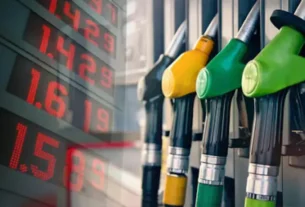
PwC attributed part of the renewed inflationary trend to disruptions linked to the conflict in the Middle East, which has contributed to higher global energy prices and increased transportation costs.
The firm also warned that stronger import demand, rising shipping costs, and increased government expenditure could add further pressure to consumer prices during the remaining months of the year.
As a result, PwC expects inflation to move closer to the upper limit of the government’s target range and could even exceed 10 percent by the end of the year if spending accelerates significantly.
Although the overall disinflation story remains valid, the firm believes Ghana may now be approaching a turning point rather than continuing the rapid decline in inflation witnessed over the past two years.

Business Leaders Urged to Stay Alert
PwC delivered a clear message to Ghana’s business community and investors.
The firm acknowledged that the country’s macroeconomic environment has improved considerably compared to previous years. However, it stressed that Ghana should not yet be viewed as a risk free operating environment.
Businesses were advised to prepare for a second half of the year characterised by moderate reflation, selective increases in government spending, ongoing external economic uncertainty, and less room for additional monetary policy easing.
This means companies should remain disciplined in their financial planning, closely monitor inflation developments, and build greater resilience into their operations.
Investors were also encouraged to remain realistic about future market conditions despite the improving economic outlook.
Balancing Optimism With Prudence
The Mid-Year Budget Review paints a picture of an economy steadily rebuilding after years of significant challenges. Improved fiscal management, stronger reserves, and encouraging growth figures provide genuine reasons for optimism.
However, PwC’s latest assessment is a reminder that economic recoveries are rarely straightforward.
The next few months will test whether Ghana can preserve its recent gains while managing rising inflation, global uncertainty, and increasing public expenditure.
If policymakers maintain fiscal discipline and respond swiftly to emerging inflation risks, the country could consolidate its recovery and strengthen investor confidence.
In the meantime, Ghana’s economic progress remains impressive, but the road ahead demands careful management to ensure today’s gains are not undermined by tomorrow’s inflationary pressures.