DANIEL ASUKU: MBN360 HEALTH
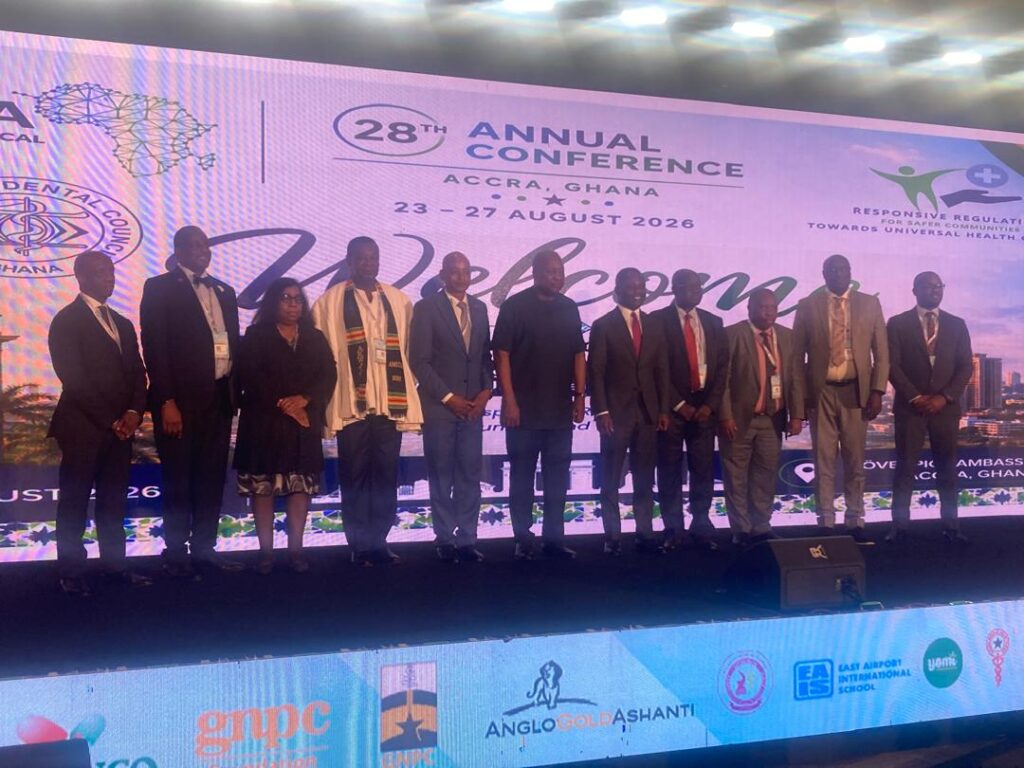
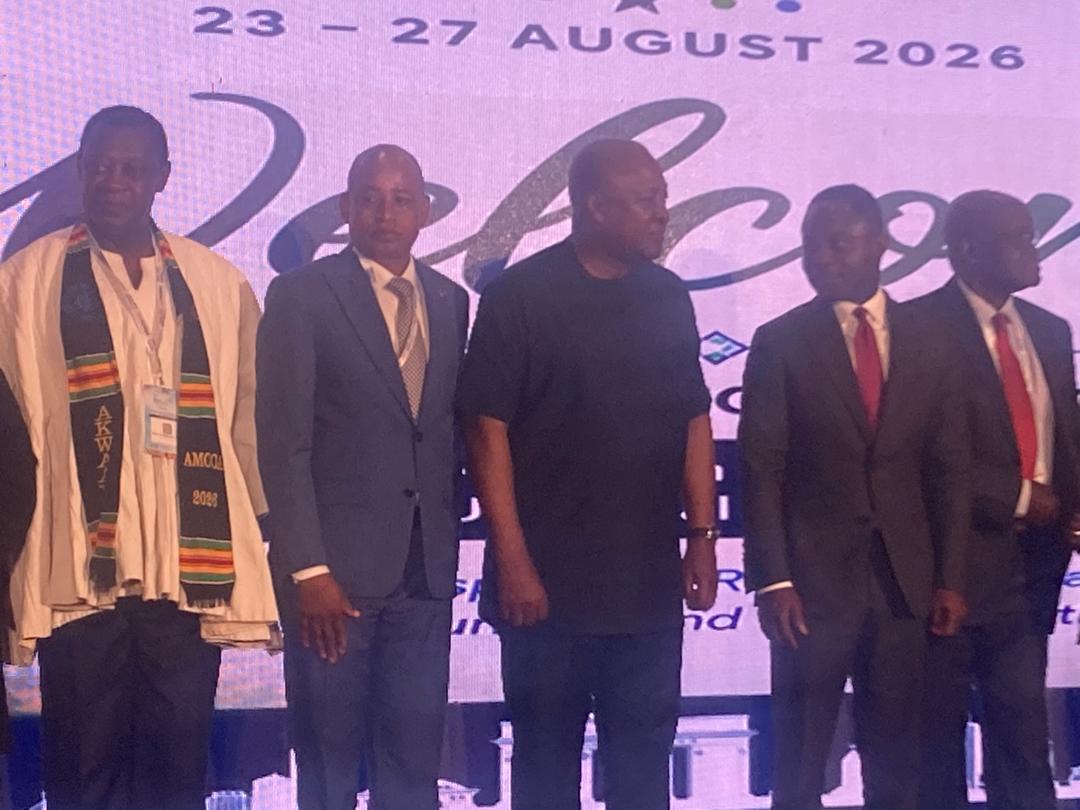
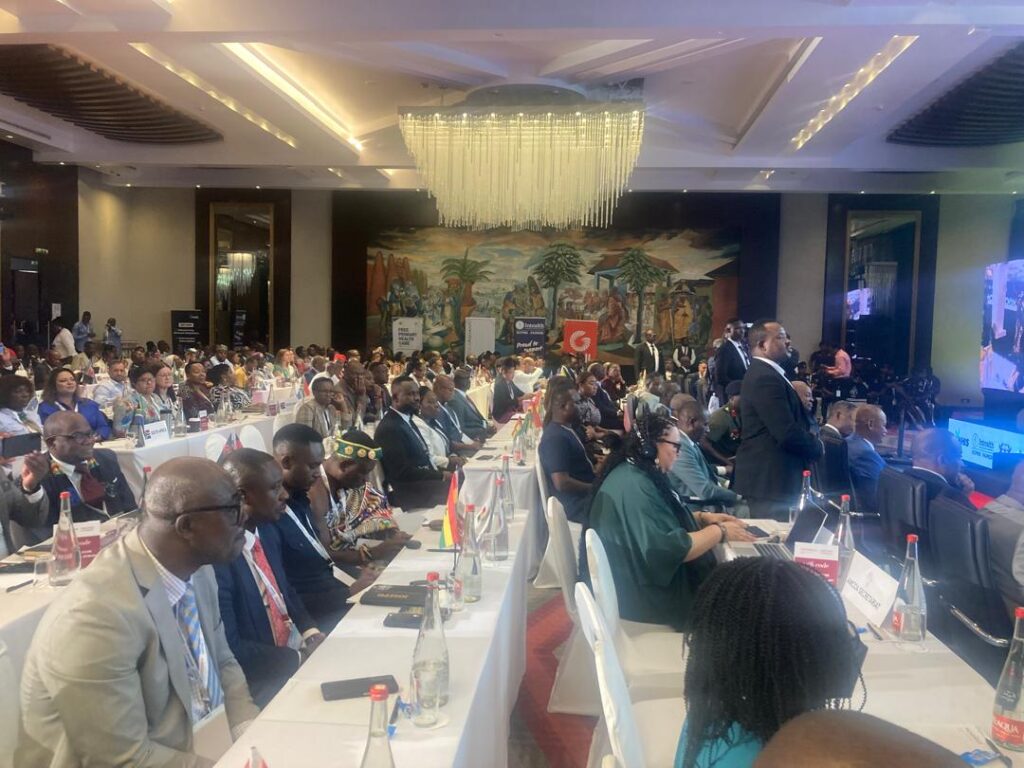
President of the Republic, H. E. John Dramani Mahama has said a healthcare coverage without safety is not a complete one. The president was speaking at the opening ceremony of the 28th Association of Medical Councils of Africa(AMCOA2026) in Accra where he also charged policy makers to consider the independence of regulatory bodies. He as well empowered professionals to be efficient in the discharge of their duties.
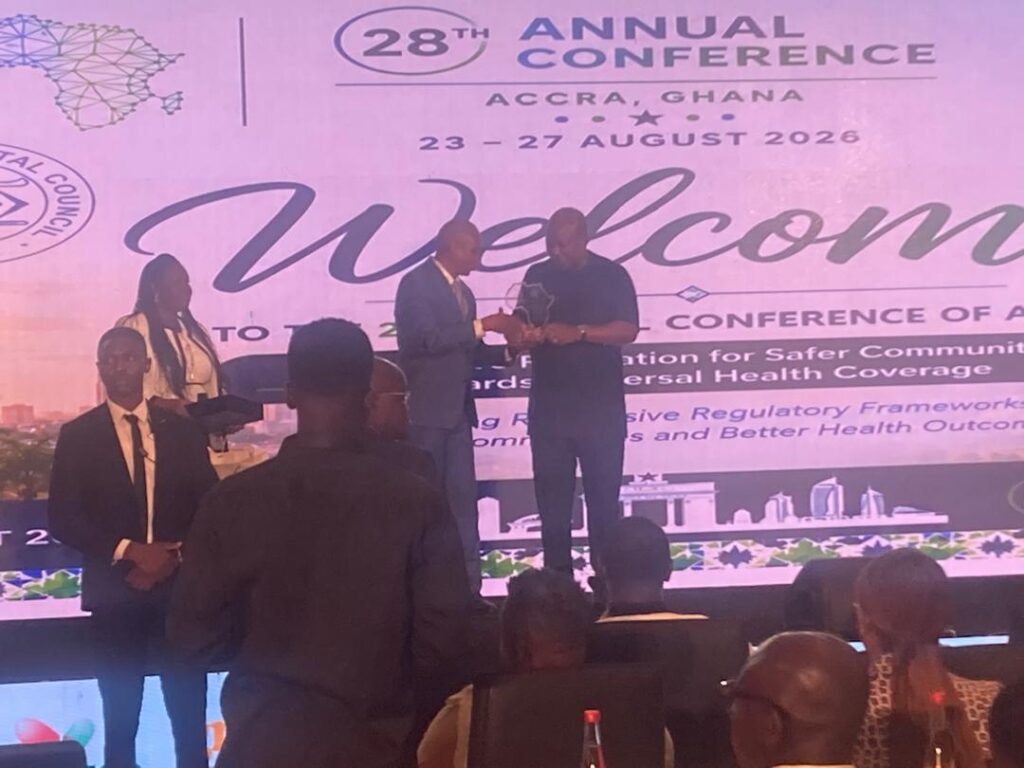
The theme for this year’s conference, “Responsive Regulation for Safer Communities towards Universal Health Coverage”, is both timely and profoundly important, he added.
Mr. Mahama said it reminds us that Universal Health Coverage is not merely about building more hospitals, training more professionals, or expanding insurance coverage. These are essential. But Universal Health Coverage must also be built on safety, trust, competence, ethics and accountability.
A health system cannot be truly universal if the care people receive is unsafe. It cannot be truly equitable if some communities are exposed to unqualified practice, unethical conduct, or poor standards. And it cannot be truly people-centred if citizens cannot trust those who are licensed to care for them.
That is why the work of medical councils and health professional regulatory authorities is central to the future of healthcare in Africa, the president stressed.
Former World Health Organization Deputy Director of Health, Dr. Anarfi Asamoa-Baah underscored the need to follow the trend of healthcare delivery as positive changes continue to take place in the healthcare sector.
The astute health professional also spoke about what the public mostly make of the industry and its players saying the public also knows you for inducting newly qualified professionals, dealing with fake practitioners and disciplining practitioners who fall below the required standards.
Interestingly, the public seems particularly happy with your induction ceremonies!
Read also:
- Awal Mohammed files for Nasara Organiser, vows to rebuild NPP Nasara structures ahead of 2028
- NPP backs Afenyo-Markin’s push for answers over alleged GoldBod losses
- Mahama to cut sod for new multi-storey airport car park, hotels
But there are also less favourable perceptions.
There is a perception that when it comes to discipline and sanctions, Medical Councils tend to be soft on doctors.
At the same time, there is a perception that when it comes to registration, you can be particularly hard on foreign-trained practitioners.
Very few members of the public appear to understand the considerable work that regulators undertake in setting standards for medical education and professional practice, accreditation, continuing professional development and maintaining standards throughout a practitioner’s professional life.
Health Minister, Hon. Kwabena Mintah Akandoh expressed gratitude AMCOA’s choice of Ghana for the 28th annual conference.
Among other pressing within the health sector, Hon. Akandoh touched on the movement of professionals and the need to manage same with care. He noted health professionals will move within our countries, across Africa and beyond the continent.
They will seek postgraduate education, specialist training, professional development and better economic opportunities. We cannot wish this reality away. Our challenge is to manage it better. Ghana is therefore seeking to move beyond responding to health-worker migration only as a loss. Certainly,
we must strengthen retention. We must improve working conditions, career opportunities, specialist training and the circumstances within which our professionals serve. But retention alone will not eliminate migration.
We must therefore develop mechanisms for managed workforce migration.