
ELS: MBN360 NEWS
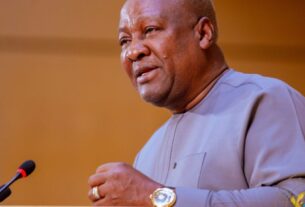
r Nyaho Nyaho-Tamakloe has described the Supreme Court’s decision to end the delegate voting system as a major step towards restoring merit based politics in Ghana. He said the judgment would give ordinary party members a stronger voice in choosing presidential and parliamentary candidates.
The former Ghana Football Association president, who joined the constitutional challenge against the system, welcomed the ruling as a victory for democratic participation. He explained that political leadership should emerge from competence, credibility and support among party members.
“The Supreme Court’s decision is indeed a good decision for democracy. If democracy must continue, then it must be merit based. Otherwise, it has no meaning.”Dr Nyaho Nyaho-Tamakloe

The Supreme Court delivered the decision through a 5 to 2 majority ruling by a seven member panel. The court held that restricting internal voting rights to selected delegates failed to meet the democratic requirements governing political parties.
Under the new constitutional standard, all registered party members in good standing must be allowed to participate in the selection of presidential and parliamentary candidates. Political parties have been given one year to revise their constitutions and electoral arrangements.
Addressing the significance of the ruling, Dr Nyaho Tamakloe stated that political parties must recognise the importance of the choices made by their grassroots members. He indicated that internal elections should provide equal opportunities for qualified aspirants to seek leadership positions.
The veteran politician argued that the delegate system had created conditions where financial influence and personal connections could shape internal contests. In his view, wider participation could shift greater attention towards the competence and public appeal of candidates.
Furthermore, Dr Nyaho Tamakloe urged political parties to treat the judgment as an opportunity to strengthen their internal structures. He added that the ruling offered a clear lesson on the need to place the interests and choices of party members at the centre of political decision making.
“I believe strongly political parties are going to learn a lesson from this, and they should know that the will of the people can never be changed.”Dr Nyaho Nyaho-Tamakloe
The decision follows a legal challenge brought by Dr Nyaho Tamakloe, Professor Kwabena Frimpong Boateng and Dr Christine Amoako Nuamah. The applicants argued that the delegate system excluded many party members from participating directly in key internal elections.
Their case focused on Article 55(5) of the 1992 Constitution, which requires the internal organisation of political parties to conform to democratic principles. The Supreme Court accepted the argument that wider participation was necessary to satisfy that constitutional requirement.
Read also:
- Minority demands full disclosure of gov’t’s VALCO equity plan
- Europe Heatwave Intensifies Wildfire Battle
- Parliament Passes Excise Bill, Scraps 20% Tax on Local Fruit Juices.
- Rising material costs push building inflation to 3.1% – GSS
- ‘At 65 I feel like I’m living an extra time’ – Veteran actor, RMD
Court Ruling Reshapes Future Of Party Primaries
The Supreme Court’s ruling is expected to bring major changes to how political parties organise presidential and parliamentary primaries. The decision requires parties to move from a limited delegate system towards a structure that gives all eligible members a direct role in candidate selection.
The one year transition period provides political parties with time to amend their constitutions and revise their electoral regulations. It also allows them to establish systems capable of managing participation across constituencies and regions.
An important part of the judgment protects elections, appointments and decisions made under the previous system. The court ruled that actions undertaken in good faith before the judgment would remain legally valid, preventing uncertainty over existing party mandates.

The new arrangement is expected to increase the influence of ordinary party members in internal decision making. Candidates seeking presidential or parliamentary nominations may therefore need to engage a wider section of the party membership.
Political campaigns within parties could also change as aspirants adjust their strategies to reach members beyond the traditional delegate base. Grassroots mobilisation, membership verification and voter education may become more central to future primaries.
Additionally, political parties may face greater administrative demands as they prepare for membership based voting. Accurate membership registers, accessible polling arrangements and effective election management could become essential to the implementation of the ruling.
The Electoral Commission will also have a role in ensuring that political parties comply with the constitutional requirements governing their internal organisation. The judgment places responsibility on the Commission to supervise the reforms and assess whether party structures meet the required democratic standard.
The ruling may also affect the influence traditionally exercised by party executives and selected delegates. Under the previous arrangement, a limited group of voters determined the outcome of many presidential and parliamentary primaries.
Opening the process to all members could create a more competitive environment in which candidates seek wider support. It may also encourage greater participation by members who previously had limited involvement in selecting party leaders and candidates.
However, the reforms could require significant financial and logistical preparation. Parties may need to expand voting centres, strengthen membership databases and develop systems that can accommodate large numbers of voters.
The judgment is expected to affect the New Patriotic Party, National Democratic Congress and Convention People’s Party, whose delegate based systems formed part of the constitutional challenge. Their leadership structures and internal election rules will now require careful review before future primaries.
The decision has therefore established a new framework for internal political participation in Ghana. As political parties begin the one year reform process, the effectiveness of the changes will depend on transparent implementation and meaningful access for eligible members.