Els: MBN360 News
The Ministry of Transport has justified the introduction of the Airport Infrastructure Development Charge, describing it as a strategic move to generate revenue to modernise Ghana’s airports and position the country as a leading aviation hub in Africa.
The levy, which took effect on April 1, 2026, imposes a $50-$100 charge on intercontinental travellers, while domestic passengers are required to pay GH₵100.
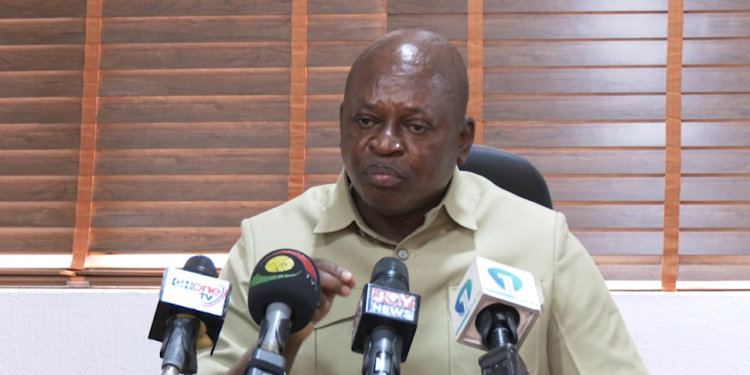
Speaking to journalists, Transport Minister Joseph Bukari Nikpe stated that proceeds from the levy will be used to improve the sewerage system of the airport, construct a hotel facility and expand parking capacity.
“All over in the sub-region, our airports are in very deplorable states. From 2012, Ghana Airport Company Limited did not make any comprehensive levies or charges to upgrade our airports. Our sewerage treatment plant is 25 years old, almost full to its capacity.
Read also:
- Ghana Onion Sellers: Political interference behind truck seizures
- FDA alerts public over ‘falsified’ HIV test kits in circulation
- Kaneshie footbridge: No trading after repairs – AMA
- First batch of 100 buses arrive to ease transport challenges
- Ben Boakye Warns Against Trading Power Stability for Cheaper Pump Prices
“If we do not do something about it, one day we will have a reversal of whatever waste we put inside. As a country that want to be the hub to aviation, we need to address it.
“At peak hours, sometimes I go there to help in the management of the traffic. Our car park is too small to the point that the cars overflow to the suits. We need a new car park,” he said
Meanwhile, minority members on Parliament’s Roads and Highways Committee have argued that there is no justification for the newly introduced airport infrastructure development charge on international flights.
According to them, passengers are already paying for the use of airport facilities, making the additional charge unnecessary.
He further announced plans to construct three new airports in Sunyani, Wa, and Bolgatanga, a move he said is aimed at boosting economic activity and improving connectivity across the sub-region.