
Els: MBN360 Extractives/Energy
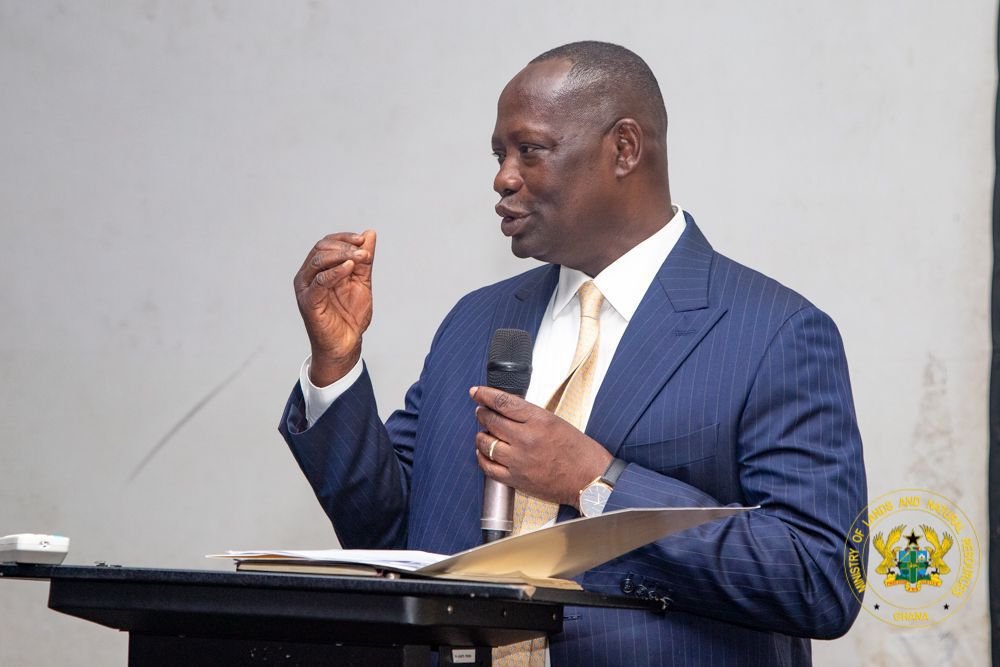
Emmanuel Kwamena Anyimah, the Deputy Chief Executive Officer (Support Services) at the Minerals Commission, has characterized the government’s recent decision to rescind the mining leases of Adamus Resources Limited at Akango, Salman, and Nkroful as a landmark reinforcement of legal accountability within Ghana’s extractive industry.
By asserting that the right to mine is a conditional privilege rather than an absolute guarantee, Anyimah highlights a regulatory environment where operational rights are strictly tethered to the mandate of protecting the environment and respecting host communities.
“The privilege to operate in Ghana comes with a responsibility to adhere to the law, protect the environment, and respect the communities within which operations take place. This moment should be seen as a reminder to all stakeholders within the extractive sector. I commend the Hon. Minister for his leadership and resolve, as well as the CEO and staff of the Minerals Commission for their professionalism.”Emmanuel Kwamena Anyimah
This decisive action, sanctioned by the Minister for Lands and Natural Resources, Hon. Emmanuel Armah-Kofi Buah, signals a zero-tolerance approach toward entities that circumvent statutory protocols.

Following a detailed investigation by the Minerals Commission under the guidance of CEO Mr. Isaac Tandoh, it was established that the breaches involved were too significant to be ignored.
Consequently, this revocation serves as a broader national commitment to sustainable resource governance, ensuring that the country’s mineral wealth is not exploited at the expense of its laws or its people.
The Weight of Regulatory Compliance
The “collective efforts” of the Ministry and the Commission aim to strengthen public confidence in how natural resources are governed.
Read also:
- Malaria should not kill a child” — expert on path to elimination
- Work is killing 840,000 people a year, and stress is mainly the cause – UN report finds
- Council of State member commends President Mahama for visit to tidal wave-affected communities
- ‘No drumming, noise-making, roadside preaching from May 4’ – AMA warns
- Gov’t sets up interim team to manage Adamus mine
For stakeholders, this case serves as a “reminder” that administrative lapses are no longer shielded from the full weight of the law.
Mr. Anyimah noted that Minerals Commission remains steadfast in its dedication to “transparency and accountability,” ensuring that every operator understands that “due regulatory processes” are the only pathway to maintaining a valid license in Ghana.
The High Cost of Mining Without Honor
Taking the privilege of a mining lease for granted can attract devastating consequences, ranging from the immediate loss of investment to permanent exclusion from the sector.

Ghana’s Minerals and Mining Act, 2006 (Act 703) suggests that fundamental breaches such as illegal subcontracting or the involvement of unauthorized foreign nationals can trigger Section 100(2), leading to total forfeiture.
Beyond administrative revocation, companies face the “domino effect” of criminal prosecution for directors, the irreparable destruction of their “social license to operate” among local communities, and significant financial liability for environmental rehabilitation.
Securing Long-Term Value for Ghana
As the Commission moves forward, the focus is shifting toward an extractive model that delivers “long-term value for our people.”
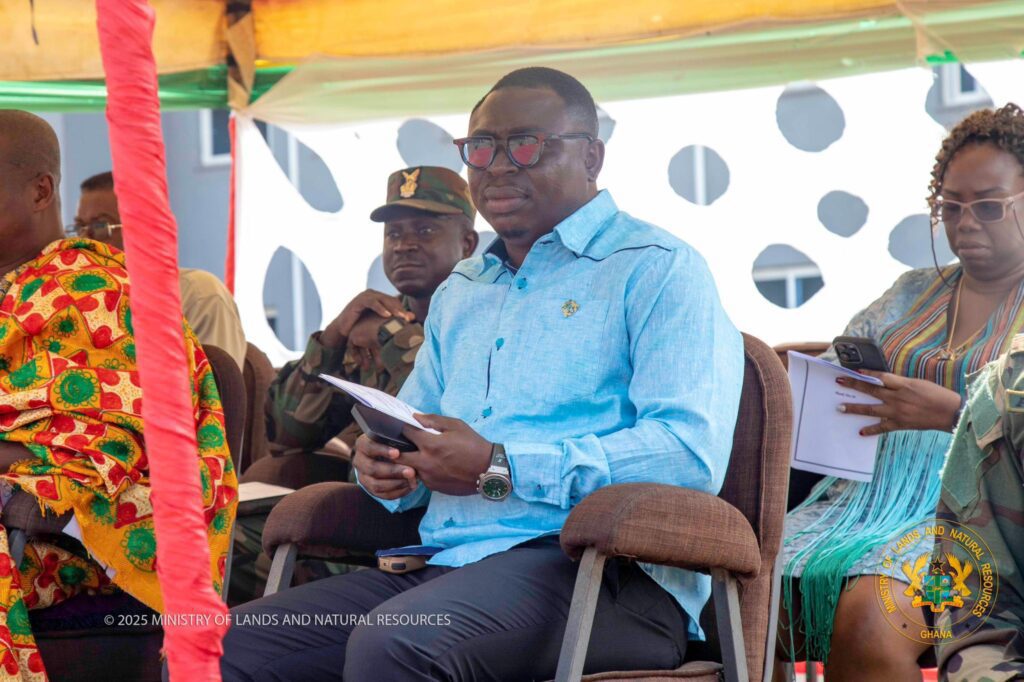
The Deputy CEO emphasized that the professionalism shown by the Commission’s staff is essential for maintaining the “highest standards” of resource management.
By upholding these strict rules, the state ensures that only responsible partners are entrusted with the nation’s wealth, ultimately safeguarding public health and the livelihoods of those living within the shadow of mining concessions.