ELS; MBN360 NEWS
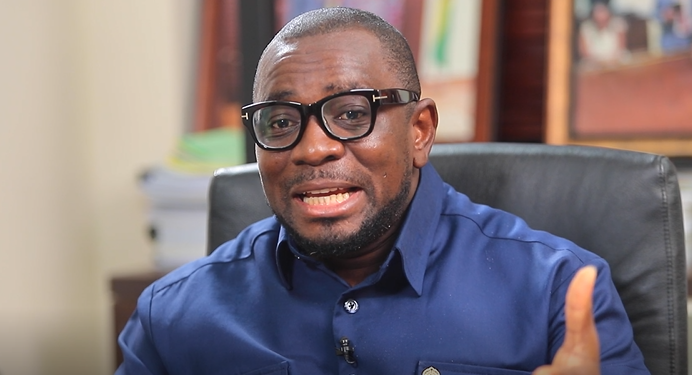
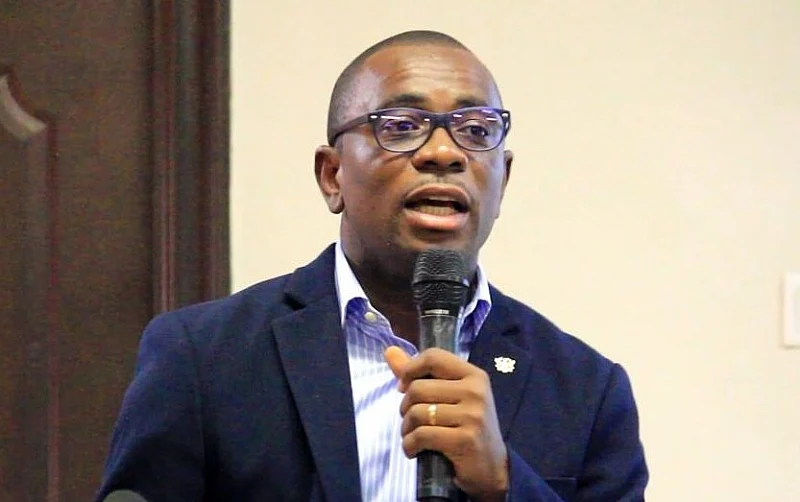
Hon. Kennedy Nyarko Osei, Member of Parliament for Akyem Swedru
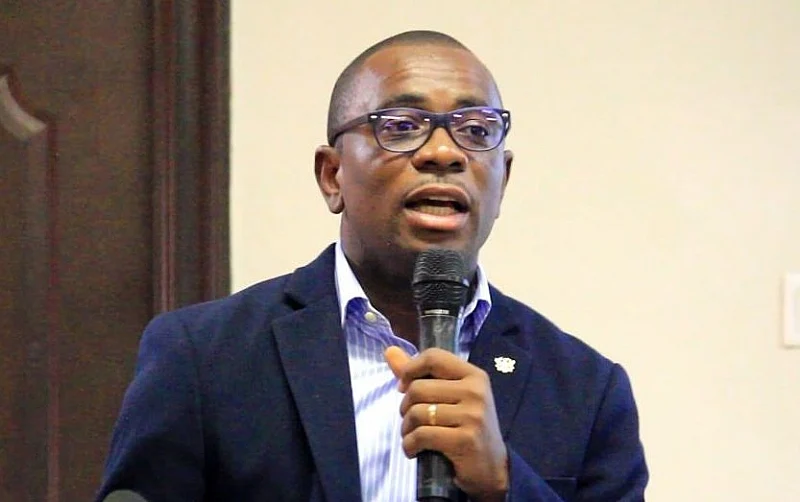
Akyem Swedru Member of Parliament Kennedy Nyarko Osei has called on the New Patriotic Party to constitute Regional Working Teams that absorb the aspirants who lost in the just-ended regional elections, and has gone further to advocate a constitutional amendment that would end the election of party officers altogether.
The proposal, which the chairman of the Eastern Region NPP MPs Caucus in Parliament wants replicated at constituency and polling station levels, is pitched as a grassroots mobilisation strategy ahead of the 2028 general elections.
It arrives days after the party completed regional executive elections across the country and while its newly elected chairmen are still assembling their teams, and it drew immediate pushback from within party ranks over whether such structures would cut across the mandates of the officers voters have just chosen.
Tapping the Losers Rather Than Losing Them
Hon. Nyarko Osei’s starting premise is that elected regional executives cannot carry the workload alone. Tapping into the experiences and the knowledge of the other contestants to work together for the greater benefit of the party, he argued, must not be discounted.
The proposal responds to a recurring pattern in Ghanaian party politics, where defeated internal aspirants withdraw from active work or, in sharper cases, sit out the general election entirely. Structures that give losing candidates a defined function are one of the more common remedies, though they have rarely been formalised in either major party.
The Role Conflict Objection
Party member Afia Akoto challenged the idea directly, warning that it would conflict with roles if not managed well. Hon. Nyarko Osei’s response was to ask which roles she meant.
He argued that a working group has nothing to do with role conflicts of the newly elected executives, noting that the responsibilities of regional officers are already set out in the party’s constitution. Having working teams to support grassroots mobilisation, in his view, does not disturb those defined mandates.
The objection is not trivial in a party where parallel structures have previously produced friction. Regional and constituency executives derive their authority from delegates, and appointed teams operating alongside them answer to whoever created them, which is precisely the tension Akoto flagged.
Read also:
- President Hichilema re-elected for second term in Zambia
- Doctors remove 3.1kg stone from man’s bladder
- Eight years on, Kofi Annan’s legacy of peace and goodness endures
- Minority Questions BoG role in GOLDBOD Transactions & Demands Accountability
- ‘Your turn will come’: Afenyo-Markin warns GoldBod executives over scarier future bail conditions
A Far More Radical Second Proposal
Hon. Nyarko Osei then moved well beyond working teams. He said he is advocating constitutional amendments for the party to do away with the election of party officers from the polling station to the national level, so that the presidential candidate and parliamentary candidates could appoint their own working committees or teams for the elections.
That would represent a fundamental redesign of how the NPP organises itself, replacing an elected internal hierarchy with campaign structures answerable to candidates. It would remove the delegate franchise that produced last weekend’s results and shift organisational power from party officers to those on the ballot.
The suggestion touches a live debate. The New Patriotic Party has spent much of the period since its 2024 defeat examining its internal structures, and questions about the relationship between party executives and candidates have featured in that reckoning. Any such change would require action by the National Delegates Congress.
The Unity Context in Ashanti
The MP’s intervention follows a run of posts by Ashanti Regional Chairman-elect Odeneho Kwaku Appiah, known widely as COKA, pressing the same theme from the other direction.
COKA won the Ashanti chairmanship on Saturday, August 15, 2026, defeating former Bantama MP and former Environmental Protection Agency chief executive Dr Henry Kwabena Kokofu by 663 votes to 269, with delegates from 45 of the region’s 47 constituencies voting at Jubilee Park in Kumasi.
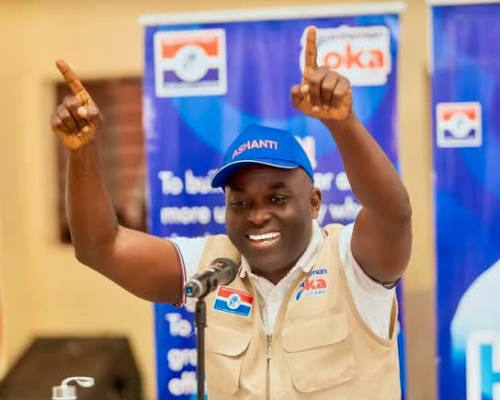
The win was his third attempt at the position after two previous defeats by Bernard Antwi Boasiako, popularly known as Chairman Wontumi. In his messages, COKA declared the party hungry for power and said nobody would be left behind, urging members to put the past behind them and build a stronger, more united party for victory in 2028.
He addressed the defeated candidates directly, telling them there is a place for them in his administration and that their experience, ideas and commitment are valuable to the party.
He said he would not take the mandate for granted and pledged to work with humility, unity, discipline and dedication to restore the NPP to power, signing off with a message to Asanteman.
Leadership Echoes the Same Message
Flagbearer Dr Mahamudu Bawumia and Dr Mathew Opoku Premepeh, the party’s 2024 running mate, have both issued calls for unity following the regional contests, placing Nyarko Osei’s proposal within a broader post-election effort to hold the party together.

Where the leadership has spoken in general terms about reconciliation, however, the Akyem Swedru MP has put a mechanism on the table. Whether the party adopts it, and whether it stops at working teams or entertains his larger constitutional argument, will be settled in the reorganisation now under way across the regions.