ELS; MBN360 BUSINESS
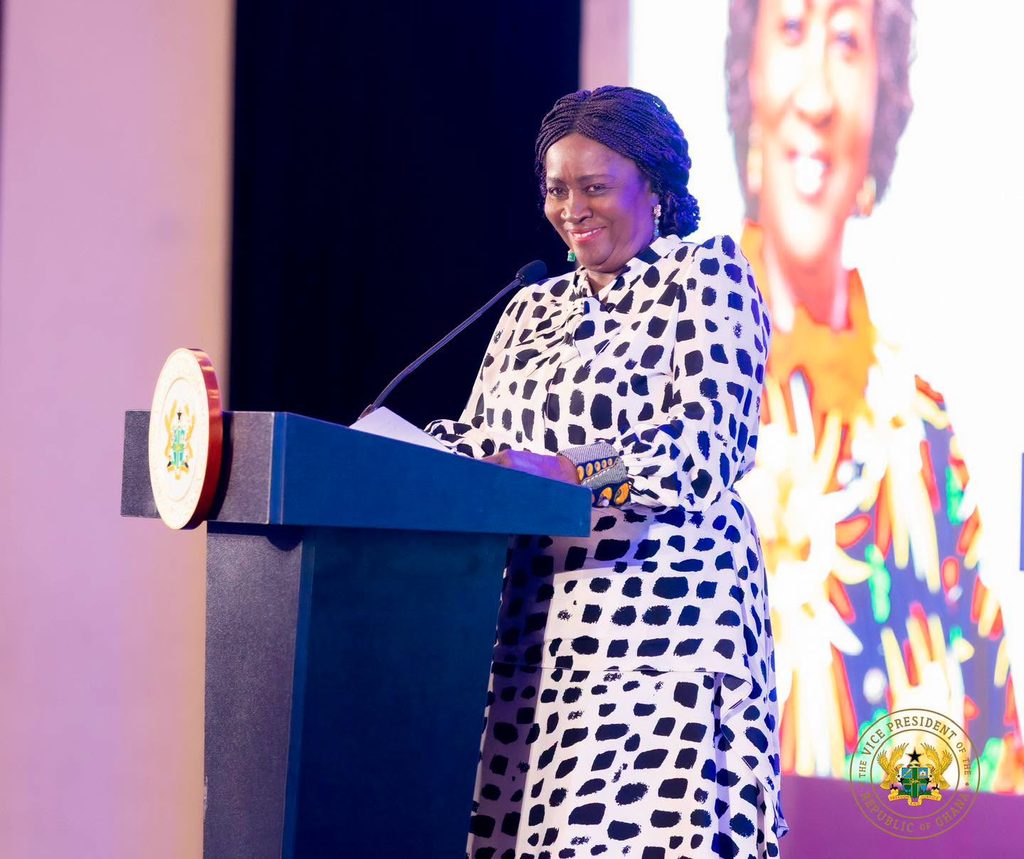
The Vice President of the Republic of Ghana, Professor Jane Naana Opoku-Agyemang, has reaffirmed government’s commitment to empowering women entrepreneurs through improved access to affordable financing, business development support and expanded market opportunities.
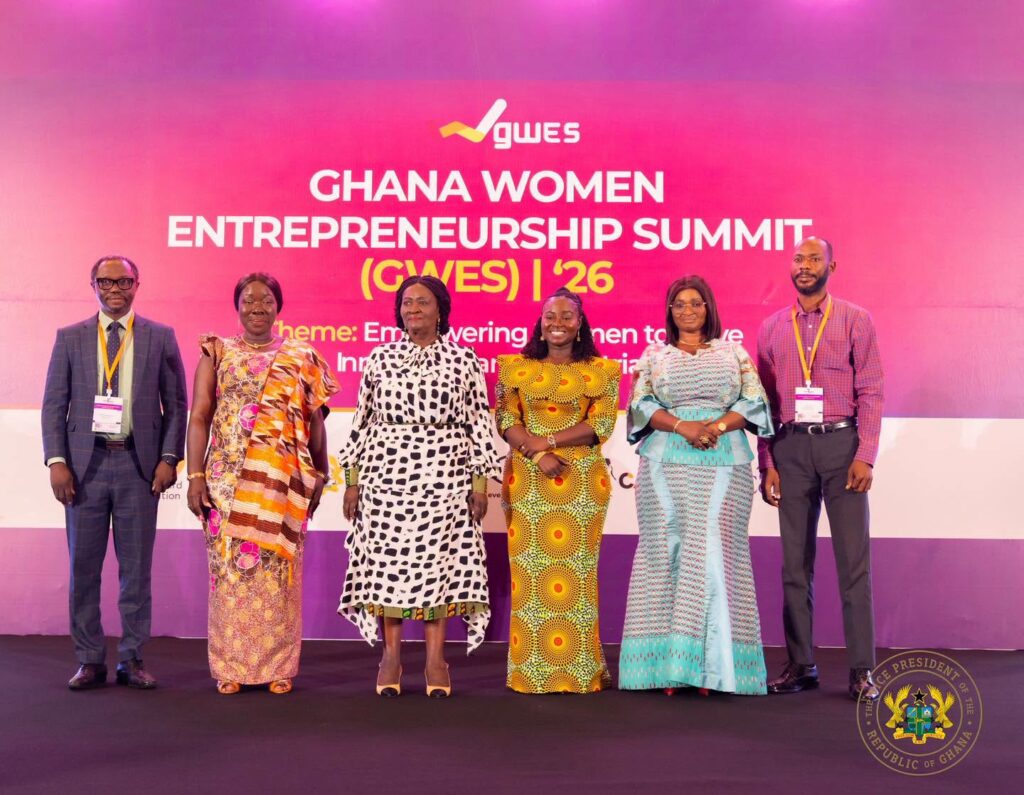
The Vice President gave the assurance at the opening of the 5th Ghana Women Entrepreneurship Summit (GWES 2026), organised by the Ghana Enterprises Agency (GEA) in collaboration with relevant stakeholders.

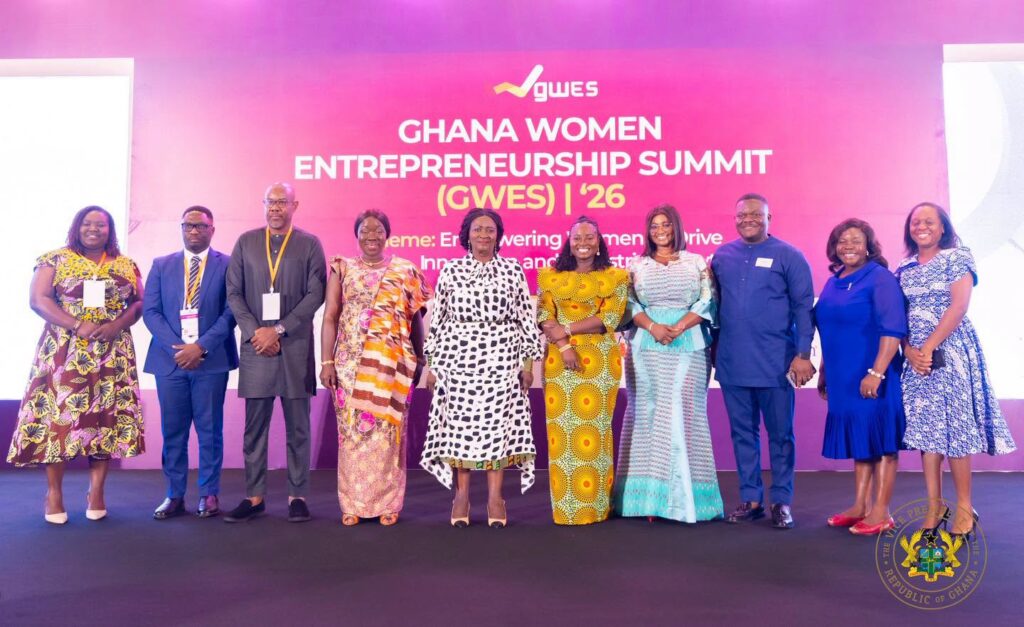
The event was attended by the Chief Executive Officer of GEA, Margaret Ansei, alongside government officials, development partners, financial institutions, industry leaders and women entrepreneurs.
Held under the theme, “Empowering Women to Drive Trade, Innovation and Industrial Growth,” the summit provided a platform for discussions on strengthening women’s participation in entrepreneurship, trade, innovation and industrial development.
Addressing participants, Professor Opoku-Agyemang highlighted the pivotal role of women-owned businesses in Ghana’s economic transformation, particularly in increasing domestic production, promoting value addition, expanding agro-processing and supporting industrial growth.
She stressed the need to move women-owned enterprises beyond small-scale operations into commercial production, manufacturing and industrial supply chains, emphasising that women entrepreneurs must be supported to establish factories, scale up their businesses and compete effectively in both domestic and international markets.
“Ghana’s economic transformation depends on increasing production, processing more of what we grow, and building stronger links between local enterprises and larger industries. Women are central to this effort,” she stated.
The Vice President identified the proposed Ghana Women’s Development Bank as a significant government intervention intended to address longstanding financing constraints faced by women entrepreneurs and improve their access to affordable financial services.
She, however, emphasised that access to finance alone would not be sufficient to transform women-led enterprises. Rather, it must be complemented by targeted business development support, technical skills, quality assurance, appropriate packaging, safety compliance and access to viable markets.
According to her, strengthening the capacity of women-owned businesses to meet the requirements of larger buyers, supermarkets and export markets would enhance their competitiveness and enable them to participate more meaningfully in productive sectors of the economy.
She noted that such interventions would contribute to enterprise expansion, job creation, industrial growth and the broader transformation of Ghana’s economy.

For her part, the Chief Executive Officer of the Ghana Enterprises Agency, Margaret Ansei, called for stronger institutional support, affordable financing and improved market access to unlock the growth potential of women-led enterprises.
She drew attention to the financial and operational challenges confronting women entrepreneurs, particularly the difficulty of securing adequate working capital to execute large orders and meet business obligations.
Ms Ansei explained that many women-owned businesses face cash-flow constraints because buyers often operate on extended payment terms, while suppliers require immediate payment. This mismatch, she noted, limits the ability of businesses to increase production, fulfil large contracts and take advantage of emerging market opportunities.
She therefore called on financial institutions and business support organisations to develop innovative and responsive financing solutions that reflect the operational realities of women-led enterprises.
She further underscored the importance of stronger institutional collaboration and strategic market linkages in improving the competitiveness, resilience and long-term sustainability of women-owned businesses.
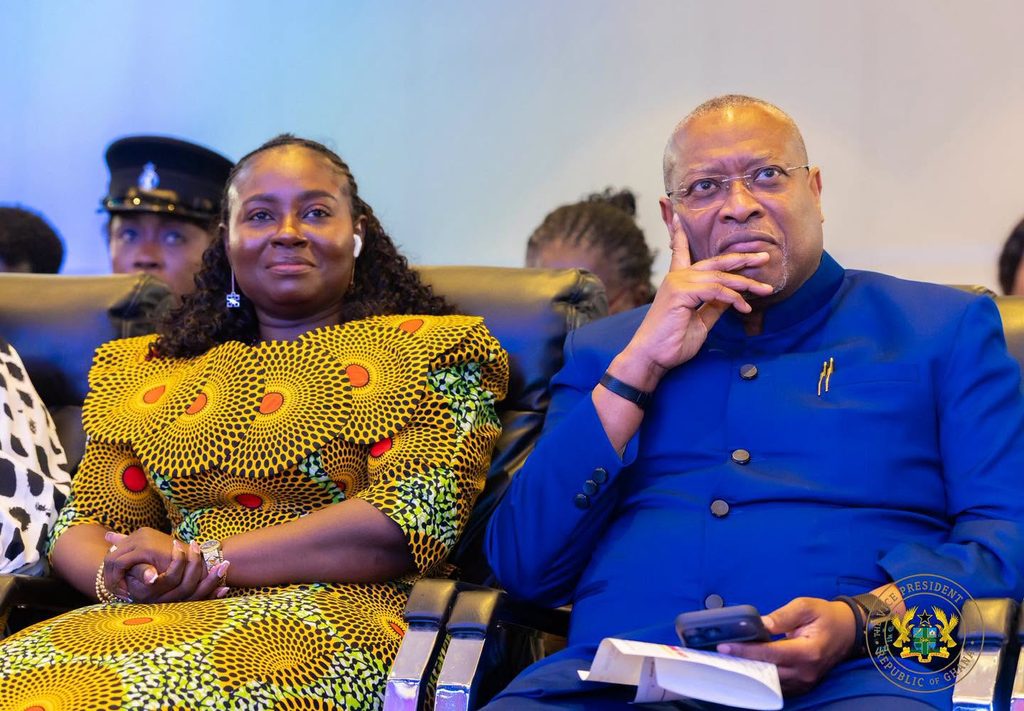
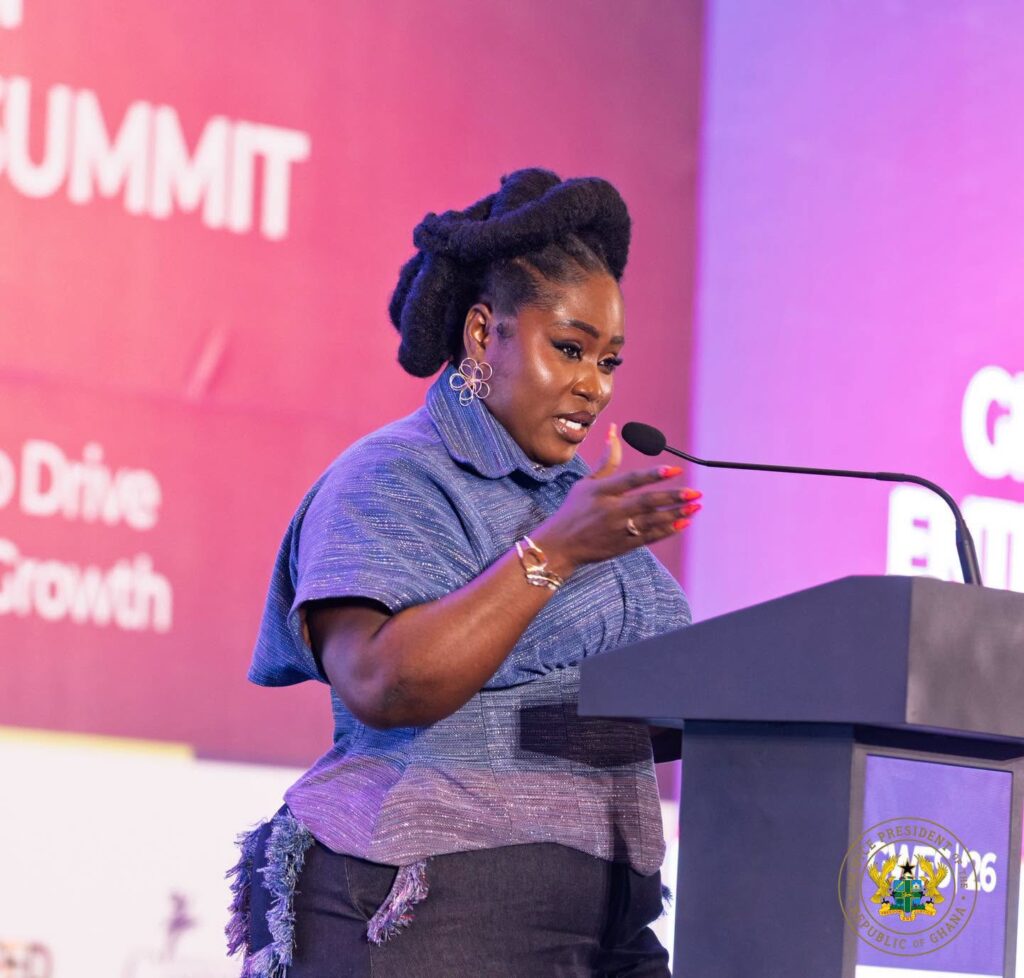
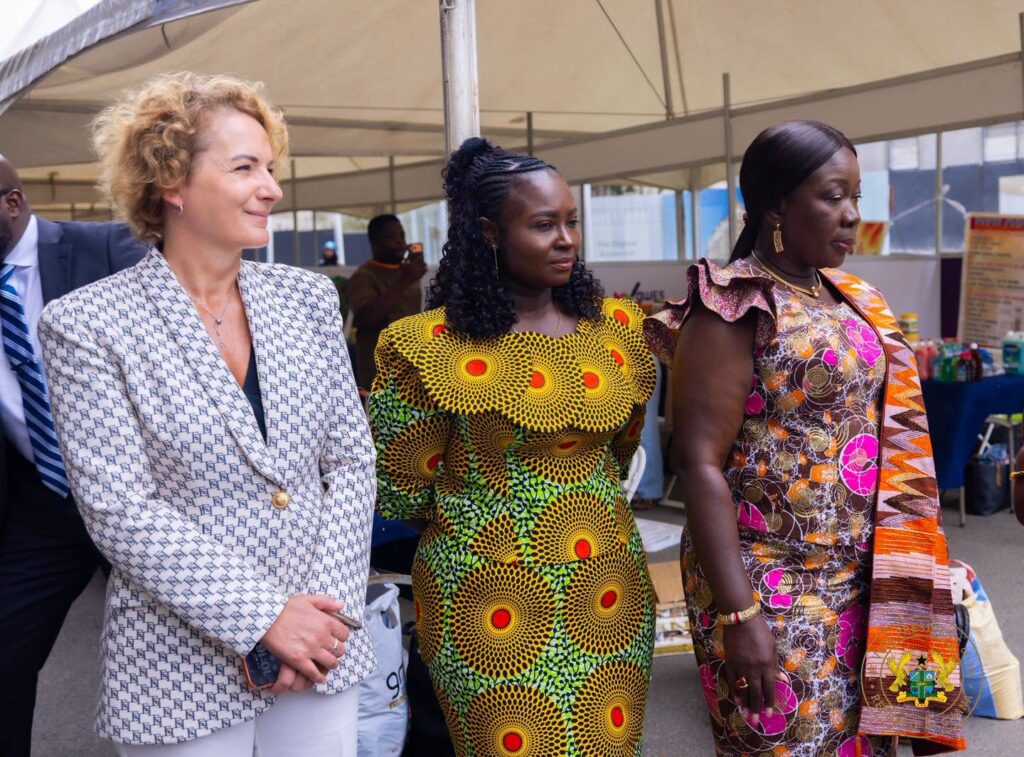
The 5th Ghana Women Entrepreneurship Summit brought together key stakeholders from government, the private sector, development organisations, financial institutions and the entrepreneurial community to explore practical strategies for addressing barriers to women’s enterprise development and expanding their participation in trade, innovation and industrial growth.
Read also:
- President Mahama pledges support for Guan culture, infrastructure and development
- UK Economy Grows 0.7% in Strongest Quarter Since 2024
- Global Fertiliser Price Drop Offers Ghana Relief in the Agriculture Sector
- Ghana Must Align Education With Industry Needs – Mr. Owusu
The discussions reinforced the need for sustained collaboration among public institutions, private sector actors and development partners to create an enabling business environment in which women entrepreneurs can access the resources, skills, financing and markets required to grow and thrive.

Through its mandate to promote the development of micro, small and medium enterprises (MSMEs), the Ghana Enterprises Agency continues to play a central role in strengthening enterprise capacity, improving business competitiveness, promoting job creation and advancing inclusive economic growth.
The Agency remains committed to working with stakeholders to expand opportunities for women entrepreneurs, strengthen their business capabilities and position women-owned enterprises to contribute meaningfully to Ghana’s trade, innovation, industrialisation and economic transformation agenda.

The Vice President of the Republic of Ghana, Professor Jane Naana Opoku-Agyemang, joined the Chief Executive Officer of the Ghana Enterprises Agency (GEA), Margaret Ansei, at the opening of the 5th Ghana Women Entrepreneurship Summit (GWES 2026), where she reaffirmed government’s commitment to empowering women entrepreneurs through improved access to financing, business development support and expanded market opportunities.
Addressing participants at the summit held under the theme “Empowering Women to Drive Trade, Innovation and Industrial Growth,” the Vice President emphasised the critical role of women entrepreneurs in driving Ghana’s economic transformation through increased production, value addition, agro-processing and industrial development.
“Ghana’s economic transformation depends on increasing production, processing more of what we grow, and building stronger links between local enterprises and larger industries. Women are central to this effort,” she stated.
Professor Opoku-Agyemang underscored the need to move women-owned businesses beyond small-scale operations into commercial production, manufacturing and industrial supply chains, stressing that women must have the opportunity to establish factories, expand their enterprises and compete in domestic and international markets.
She highlighted the proposed Ghana Women’s Development Bank as a significant government intervention aimed at addressing the persistent financing challenges confronting women entrepreneurs and improving their access to affordable financial services.
The Vice President further stressed that access to finance must be complemented by the necessary skills, quality standards, packaging, safety compliance and market opportunities to enable women-led enterprises to meet the requirements of larger buyers, supermarkets and export markets, adding that strengthening the capacity of women-owned businesses to participate in productive sectors would contribute significantly to job creation, industrial growth and Ghana’s broader economic transformation.
The Chief Executive Officer of the Ghana Enterprises Agency, Ms Margaret Ansei, in her welcome address, called for stronger institutional support, affordable financing and improved market access to unlock the growth potential of women-led businesses. She drew attention to the financial pressures confronting women entrepreneurs, particularly the difficulty of securing adequate working capital to execute large orders and meet business obligations.
Ms Ansei observed that many women-owned businesses struggle to fulfil large contracts because buyers often operate on extended payment terms, while suppliers require immediate payment. This creates significant cash-flow constraints, limiting the capacity of businesses to expand production, fulfil orders and take advantage of emerging market opportunities.
She emphasised the need for financial institutions and business support organisations to develop more responsive financing solutions that reflect the operational realities of women-led enterprises. She also called for stronger institutional collaboration and market linkages to improve the competitiveness and sustainability of women-owned businesses.
The summit brought together government officials, development partners, financial institutions, industry leaders and women entrepreneurs to deliberate on strategies for strengthening women’s participation in entrepreneurship, trade, innovation and industrial development. The 5th Ghana Women Entrepreneurship Summit reaffirmed the importance of sustained collaboration among government, the private sector, financial institutions and development partners in addressing the structural barriers confronting women-owned businesses and creating an enabling environment for their growth.
Through its mandate to promote the development of micro, small and medium enterprises (MSMEs), the Ghana Enterprises Agency remains committed to strengthening enterprise development, enhancing business competitiveness, promoting job creation and advancing inclusive economic growth.
The Agency will continue to work with stakeholders to expand opportunities for women entrepreneurs, strengthen their business capacities and position them to contribute meaningfully to Ghana’s trade, innovation, industrialisation and economic transformation.