ELS: MBN360 HEALTH
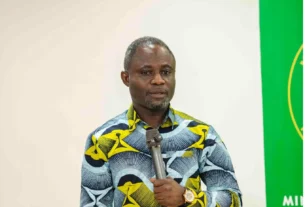
The Regional Director of the United Nations Population Fund (UNFPA) for West and Central Africa, Dr. Sennen Hounton, has called for a multi-sectoral approach to address the growing family planning needs of young people.
He said empowering adolescents with accurate information, access to healthcare services and economic opportunities is key to improving their health outcomes.
Speaking at a high-level ministerial meeting held as part of the opening of the African Union Summit in Accra, Dr. Hounton said evidence from the past five decades shows that addressing the reproductive health needs of young people requires a whole-of-society response rather than isolated interventions.

He said protecting girls and women must remain central to these efforts, including ending harmful practices such as child marriage and ensuring access to quality education.
Dr. Hounton noted that young people, both in and out of school, need accurate information about their bodies and sexual and reproductive health to enable them to make informed decisions.
He added that access to family planning services and commodities is equally important, stressing that while abstinence remains an important message in some communities, data shows the need for comprehensive approaches that include access to reproductive health services.
“We must embrace innovative strategies, including the use of digital technologies, to provide young people with reliable information and improve their access to essential services. Economic empowerment is also critical because when girls and young women have financial independence, they are better able to make informed decisions about their health and future.”
The Minister of Health, Kwabena Mintah Akandoh, has called on African countries to increase domestic investment in healthcare to achieve universal health coverage and strengthen the continent’s capacity to respond to public health emergencies.
Speaking at the opening of a two-day Extraordinary African Union Health Summit in Accra, Mr Akandoh said Africa must finance its health systems through sustainable and predictable domestically generated resources rather than relying heavily on external support.
He said greater domestic financing would prevent the continent from being held hostage during health emergencies and enable countries to build resilient health systems. He also stressed the need for Africa to strengthen its health sovereignty by investing in local production of health commodities and prioritising the health of its people.
Read also:
- CompuGhana Rewards Customers, Opens New East Legon Showroom
- Nearly 1 million Ghanaians lifted out of poverty in a year — Ato Forson
- Ghana’s economy tops $100 Billion for first time, now 8th largest in Africa – Ato Forson
- St Mirren agree deal to sign Ghana U20 winger Abdul Hakim Sulemana
- GPL: Medeama sign highly rated midfielder Etse Dogli from Heart of Lions
“We cannot actively claim we have achieved Universal Health Coverage. We have simply shifted the burden from illness to death. Our people deserve to make a decision. We must finance our own health. The vision of the Abuja declaration remains as relevant today as it was when it was first endorsed in 2001. Africa’s health system must increasingly be financed by African’s own resources, predictable, sustainable and domestically generated. A continent that finances its own health secures its own future. It cannot be held hostage to changing priorities beyond its shores.”
The African Union Commissioner for Health, Humanitarian Affairs and Social Development, Amma Twum-Amoah, said sub-Saharan Africa accounts for about two-thirds of people living with HIV globally and 95 per cent of malaria cases.
“Together, guided by a shared purpose, mutual accountability and African solidarity, we can transform the health landscape of our continent. We are not gathered here merely to discuss statistics. We are here to confront the human realities behind those numbers and to secure a healthier, more resilient and increasingly self-reliant Africa. Our continent has achieved hard-won progress, but we cannot afford to become complacent.”
Madam Twum-Amoah therefore called for stronger collaboration among AU member states to accelerate progress and build resilient health systems that respond to the needs of Africans.
The Director-General of the Africa Centres for Disease Control and Prevention (Africa CDC), Dr Jean Kaseya, said Africa’s biggest challenge in achieving sustainable health financing is not a shortage of resources but the poor management of available funds.
“Significant amounts of health resources are lost through fraud, weak planning systems and the payment of salaries to non-existent workers, commonly known as ghost workers, limiting countries’ ability to invest adequately in healthcare delivery. “We are talking about sustainable health financing. The main issue we are facing is we are wasting resources. It’s not lack of resources, it’s wastage of resources,” Dr Kaseya said.
Dr Kaseya called for stronger leadership, accountability and transparency in the management of health resources, arguing that addressing inefficiencies within health systems would enable African countries to improve healthcare financing without excessive dependence on external partners.
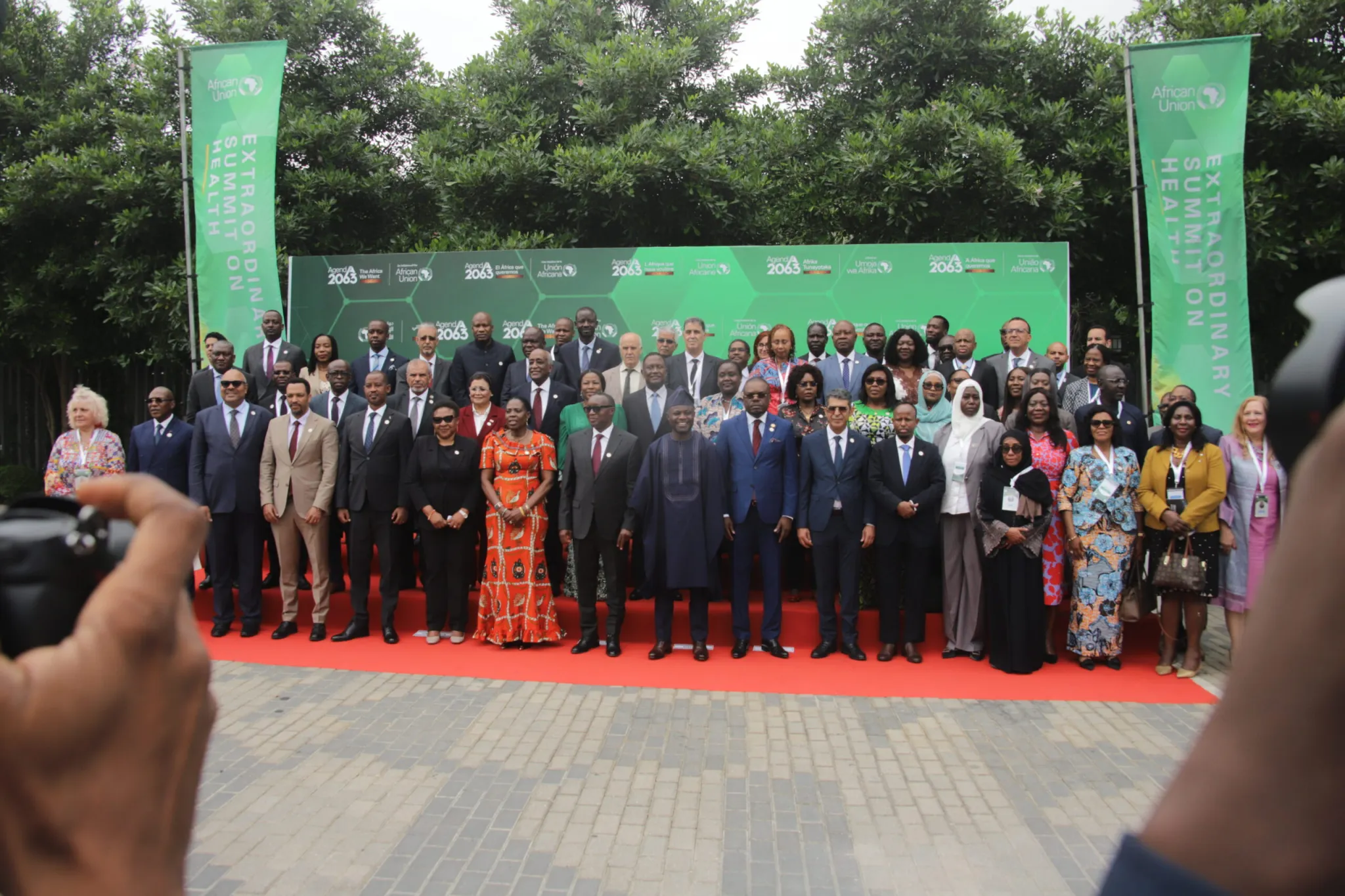
The two-day summit is focused on expanding universal health coverage and accelerating efforts to combat HIV/AIDS, tuberculosis (TB), malaria and other major public health challenges across the continent.
The summit is being held under the theme: “Advancing Justice, Equity and Universal Health Coverage: Ending AIDS, TB, Improving Maternal Health, Addressing Endemic Non-Communicable and Neglected Tropical Diseases and Conditions in Africa.”
The summit brought together African Heads of State and Government, Ministers of Health, Finance and Foreign Affairs, representatives of the African Union Commission, Regional Economic Communities, development partners, civil society organisations, youth groups and private sector stakeholders.