Els: MBN360 Education
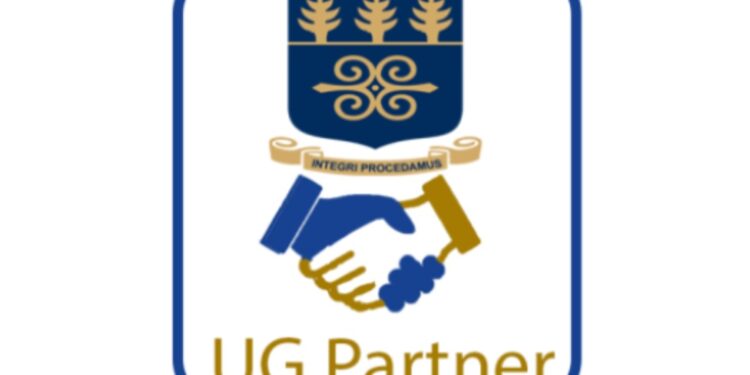
The University of Ghana has issued a strong public warning against the use of an unauthorized mobile application known as “UG Partner,” describing it as an unlawful platform that falsely presents itself as affiliated with the university.
In a public statement released by the University’s Public Affairs Directorate on May 6, 2026, management disclosed that the application was developed by an external party and is currently available on several digital platforms without the institution’s approval.
According to the University, the application unlawfully uses its name, logo, branding, and academic identity in a manner that misleads users into believing it is an official University of Ghana product. The statement stressed that the University has neither endorsed nor authorized the application and cautioned students, staff, and the general public against downloading or interacting with it.
Institution Declares App Unauthorized and Misleading
The University stated that the “UG Partner” application constitutes multiple violations, including infringement of the University of Ghana’s trademark and unauthorized use of institutional branding. Management further accused the developers of falsely misrepresenting the application as an official university platform and distributing academic materials belonging to the institution without authorization.
ADVERTISEMENT
The University described the situation as a serious legal violation with implications for intellectual property protection, institutional integrity, and student data security.
“The application unlawfully uses the University’s name, logo and branding and falsely suggests affiliation with or endorsement by the University.”Statement from the University of Ghana, Legon.
University authorities indicated that the misuse of official branding creates confusion among students and the public, potentially exposing unsuspecting users to privacy and cybersecurity risks. The institution warned that unofficial platforms masquerading as university-approved services can compromise sensitive academic and personal information submitted by users.
Legal Action Initiated Against Developers
The University of Ghana revealed that formal legal action has already been initiated against the developers behind the application.Management directed the individuals responsible to immediately cease the use and promotion of the application, remove all University branding, and take down the platform from all digital channels.
The University further warned that failure to comply with these directives would result in additional legal proceedings.The move signals a tougher institutional stance against unauthorized use of university intellectual property and growing concerns over digital impersonation schemes targeting educational institutions.
Read also:
- NPP has the edge to win 2028 polls – Afoko
- Over 70km cleared for Kumasi Expressway project — Mahama
- Nothing Celebratory for Us Over Ofori-Atta’s Residency Ruling — Ahiagbah
- Petroleum Commission Urges Strategic Regional Investment for West African Gas
- Minority Demands Appearance of Gold Board CEO Amid Procurement Questions and Financial Scrutiny
Across many universities globally, fake academic platforms and unofficial applications have increasingly emerged as a major challenge, often misleading students into sharing login credentials, personal records, or payment information.
Cybersecurity experts have repeatedly cautioned that such platforms can be exploited for data harvesting, phishing, financial fraud, or unauthorized distribution of copyrighted academic resources.The University’s latest action appears aimed at preventing similar risks within its academic community.
Students Advised to Avoid the Application
As part of its advisory, the University strongly urged students, staff, alumni, and other stakeholders not to use the “UG Partner” application or submit any personal or academic information through it.Management warned that engaging with the platform could expose users to data breaches, privacy violations, and possible misuse of academic information.
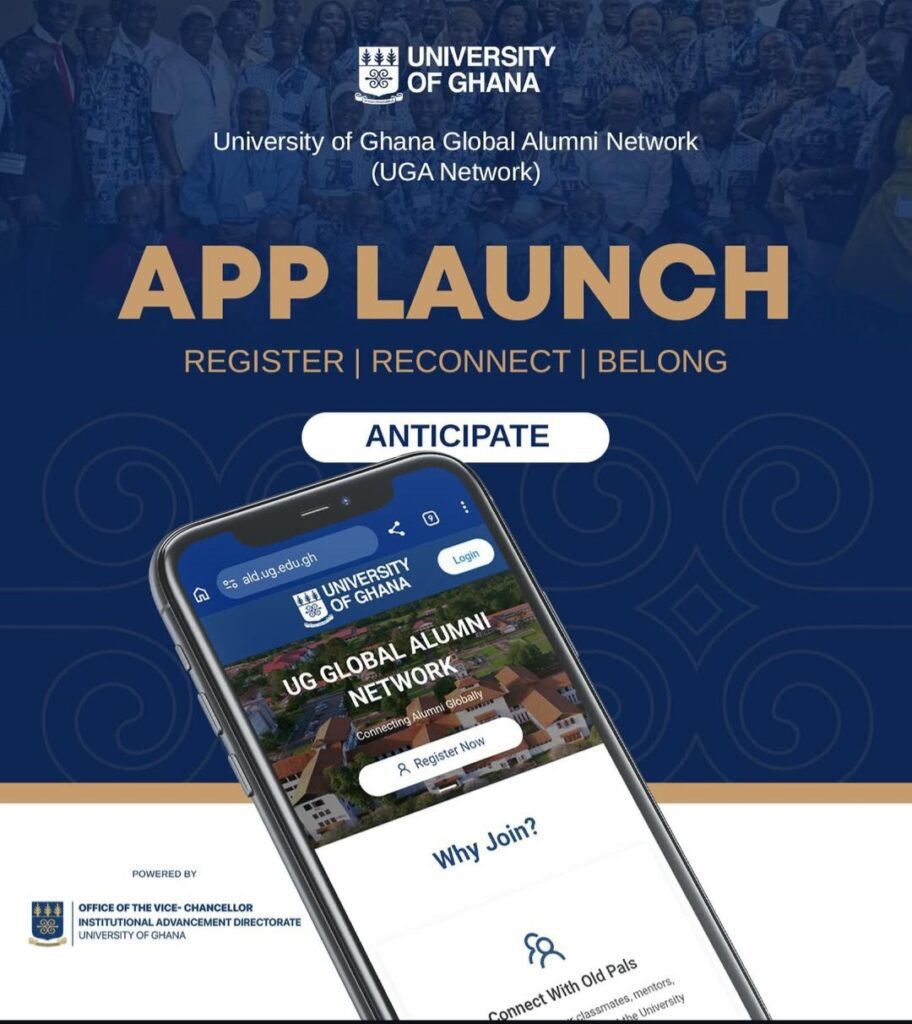
The statement emphasized that all official University of Ghana information, services, and digital resources are provided only through authorized institutional platforms and approved communication channels .Students were therefore encouraged to verify the authenticity of any digital platform claiming affiliation with the University before downloading or using it.
The University also clarified that it bears no responsibility for risks, losses, or damages arising from the use of the unauthorized application.The warning comes at a time when universities are increasingly relying on digital systems for academic administration, student communication, registration, e-learning, and campus services.
This growing dependence on technology has also heightened concerns about cybersecurity, impersonation, and unauthorized digital services targeting students.
Broader Concerns About Digital Safety
The incident has renewed conversations around the need for stronger digital awareness among students and educational institutions. Cybersecurity analysts note that fake applications often mimic trusted brands or institutions to gain credibility and deceive users.
In many cases, students may unknowingly download unofficial apps believing they provide academic convenience, only to later face privacy breaches or compromised accounts.Educational institutions across Africa and beyond have recently intensified efforts to protect their digital identities and safeguard intellectual property against unauthorized use.
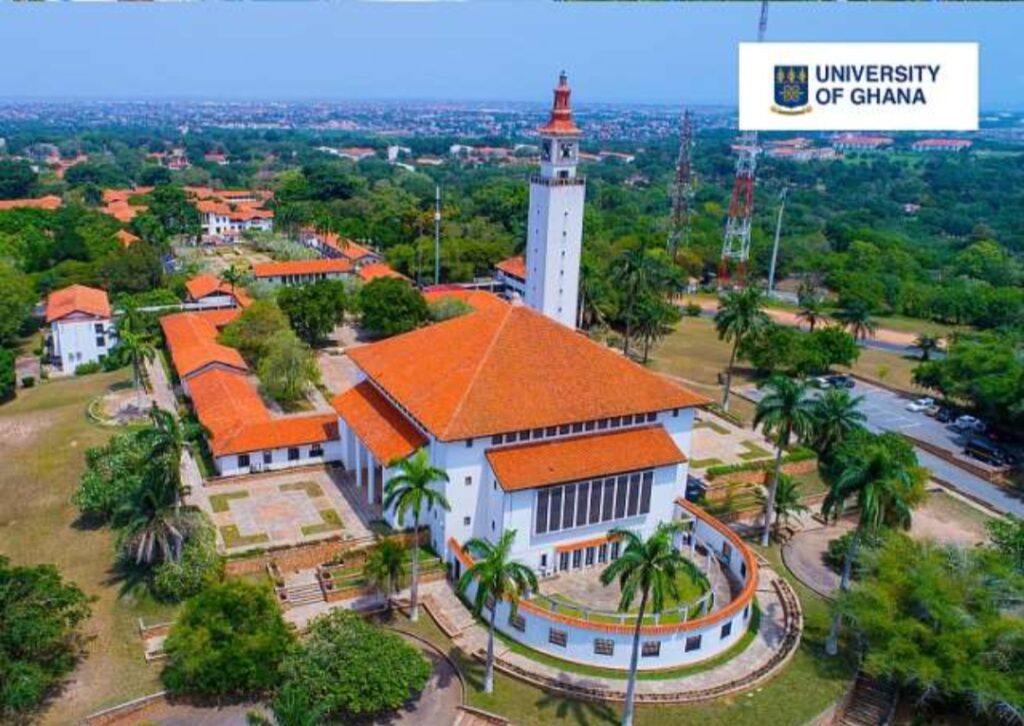
For universities, institutional branding carries legal and reputational value, making unauthorized replication a significant concern.The University of Ghana reiterated that protecting its intellectual property remains a priority and assured stakeholders that it remains committed to safeguarding its academic community.
“The University of Ghana remains committed to protecting its intellectual property and safeguarding its community.”Statement from the University of Ghana, Legon.
The notice was signed by Dr. Elizier Taiba Ameyaw-Buronyah, Director of Public Affairs.The University is expected to continue monitoring digital platforms for any unauthorized use of its identity while encouraging students and the public to rely only on verified institutional channels for official information and services.