Els: MBN360 UK
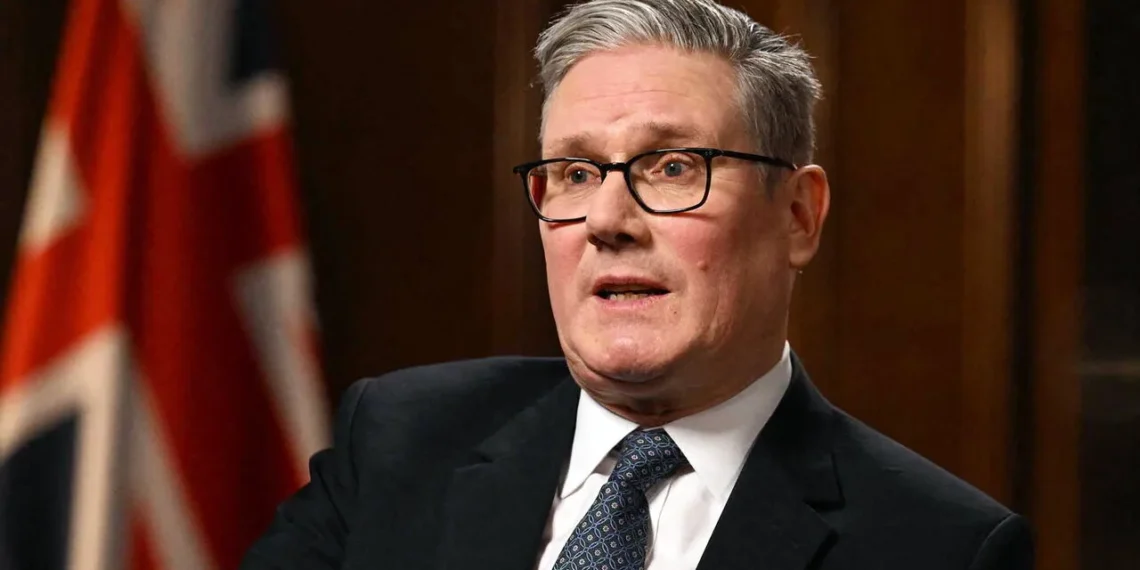
UK Prime Minister, Keir Starmer has faced the House of Commons, providing a detailed account of the appointment and security vetting process involving Peter Mandelson, amid allegations of procedural failures, withheld information, and conflicting decisions within government departments.
The session focused on when critical vetting information became available, why it was not escalated to the Prime Minister earlier, and whether the appointment should have proceeded at all given the security assessment outcome.
Addressing Parliament, Starmer stated unequivocally that Mandelson should not have been appointed.
“I take responsibility for that decision, and I apologise again to the victims of the paedophile Jeffrey Epstein, who were clearly failed by my decision.”Keir Starmer
Starmer told MPs that on 14 April he was informed for the first time that on 29 January 2025, Foreign Office officials granted Mandelson Developed Vetting clearance despite the UK security vetting agency recommending denial and indicated that, he immediately ordered an inquiry into who made the decision, on what basis, and who knew what and when, adding that this was information he should have had a long time ago.
He explained that the appointment process began in December 2024, when he was selecting a new ambassador to the United States, adding, “a due dili Sgence exercise was carried out by the Cabinet Office, including questions posed to Mandelson by No 10 officials.”
Per the reports, Mandelson responded on 10 December, and Starmer received final advice the following day enabling him make a decision on 18 December 2024, with the appointment announced on 20 December before security vetting began on 23 December.
The Prime Minister further told Parliament that this sequencing was consistent with usual practice for direct ministerial appointments, where vetting follows appointment but precedes entry into post. That process, he said, “was later confirmed by former Cabinet Secretary Chris Wormald in November 2025 at a Foreign Affairs Select Committee hearing.” However, Starmer added that he has since changed the system so that appointments cannot be announced before vetting is completed.
According to the Prime Minister, information regarding the appointment of Mandelson “could and should have been shared,” and added he would not have proceeded with Mandelson’s appointment had he known he had failed vetting.
Read also:
- OSP is confusing contructive criticism with calls for him to be scrapped – Dafeamekpor
- Passion, not survival, should drive career choice – Dr Kofi Annan
- Ocloo Announces Planned Demolition Of Unauthorised Sakumo Ramsar Structures
- Former CSA boss calls for a review of cybersecurity education to close skills gap
- Rosenior sacked by Chelsea after three months in charge
Starmer Under Pressure as Mandelson Vetting Questions Intensify

Moreover, MPs from across parties have pressed the Prime Minister on the handling of the appointment and security vetting process involving
Leader of the Opposition Kemi Badenoch told the Prime Minister his “reputation is at stake”, repeating earlier Downing Street comments that he had inadvertently misled Parliament, and noting that he had chosen not to repeat that position during the session.
Badenoch also questioned whether Starmer still stood by his previous opposition-era position that a prime minister who misleads Parliament.
In response, Starmer said it was important to distinguish between information provided to a formal review and the vetting recommendation itself. He explained that the reasons for Mandelson’s failure of vetting must be protected to preserve the integrity of the system, but added that the recommendation itself did not require the same level of protection. He also told MPs that No 10 had been assured that “proper process was followed”, but that “nobody in No 10 was informed about UKSV’s recommendation”.
Further scrutiny came from Labour MP Emily Thornberry, Chair of the Foreign Affairs Select Committee, who said her committee had already asked “the very questions which hecklers on the other side say should have been asked.” She questioned whether securing Mandelson’s appointment had been treated as a higher priority than security considerations, which she suggested were “very much second order.”
However, Independent MP Diane Abbott intervened, stressing that ordinary people expect transparency and confidence in the words of elected politicians. She pointed to Mandelson’s “history”, including his two previous resignations, and challenged the Prime Minister’s handling of the situation.
She further indicated that, it was not enough to state that “nobody told me,” adding “the question is why didn’t the prime minister ask?”
Tensions rose when Conservative MP Jeremy Wright, a member of the Intelligence and Security Committee, questioned whether Parliament would have been informed about Mandelson’s national security screening if it had not been revealed in the media.
According to Starmer, the information had been, and would be, provided to the committee.
Meanwhile MPs assert that, the Prime Minister’s actions and inactions are unforgivable and as such he should take responsibility as resign.