
ELS: MBN360 HEALTH
Social media offers enormous opportunities to promote sexual and reproductive health and rights (SRHR) among young people, but its growing influence is also fuelling misinformation, myths and the normalisation of harmful behaviour, the Ghana Health Service (GHS) has warned.
“Social media presents enormous opportunities for SRHR promotion among young people; however, it also presents challenges with the spread of misinformation, the spread of myths and the normalisation of harmful behaviour,” the Acting Director of the Health Promotion Division of the GHS, Mabel Kissiwah Asafo, said.
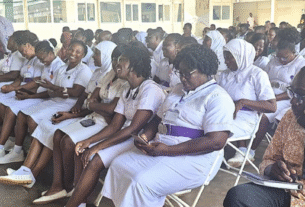
She was speaking at the launch of the 2026 Northern Ghana Sexual and Reproductive Health Rights Conference for Young People, which has brought together about 400 participants from seven regions of Ghana.
The warning comes against the backdrop of persistent challenges, including teenage pregnancy, child marriage and HIV infections.
UNICEF estimates that 15.2 per cent of girls aged 15 to 19 in Ghana have experienced pregnancy, with serious consequences for their education, health and future economic opportunities.
Child marriage also persists despite progress. According to UNICEF, 16 per cent of women aged 20 to 24 in Ghana were married before the age of 18, representing an estimated 2.5 million girls and women.
The problem remains particularly relevant to northern Ghana, where poverty, social norms and unequal opportunities continue to increase the vulnerability of girls.
HIV is another major concern at the four-day conference. Ghana recorded 15,290 new HIV infections in 2024, with females accounting for 67.4 per cent of the infections, according to national HIV estimates.
These figures highlight the importance of ensuring that young people have access to accurate and reliable information about their sexual and reproductive health.
Read also:
- Nacee is the foundation of my music ministry – Ohemaa Mercy
- President Mahama dissolves Boards of nine state institutions
- Kwaku Azar Warns Chief Justice Over “Past Eight Years” Remarks.
- Cedi Slide Could Trigger Banking Sector Crisis, Atuahene Warns
- Russia Condemns Vessel Seizure Over $4.22bn Ukraine Claim
The Northern Ghana SRHR Conference for Young People is in its seventh year.
According to NORSAAC, the organiser, the initiative has empowered young people, particularly young women, to advocate for their rights and holistic development.

The Head of Programmes and Policy Influencing at NORSAAC, Hajia Hafsat Sey Sumani, said, “Participants have been empowered to advocate for their rights, speak up against sexual abuse, child marriage and other challenges facing young people, as well as push for participation in the decision-making process, especially on issues that affect them.”
For Radia Nuhu, who is attending the conference for the second time, “Last year’s programme was an eye-opener, that is why I am here again to network and build on my experience.”
The conference comes at a time when social media is increasingly shaping how young people understand relationships, sexuality and reproductive health.
While digital platforms can provide quick access to health information and connect young people with advocates and professionals, they can also spread dangerous misinformation about contraception, pregnancy, HIV prevention and sexuality.
For health authorities and SRHR advocates, the challenge is therefore not simply to provide information.
It is to ensure that credible, evidence-based information is available on the same platforms where misinformation is competing for the attention of young people.
As Ghana continues to confront teenage pregnancy, child marriage and HIV infections, the organisers believe empowering young people with knowledge and a voice in decision-making is critical.
The message from the conference is clear: young people must be equipped not only to access information but also to distinguish facts from myths and use their voices to influence decisions that affect their lives.