Els: MBN360 AFRICA
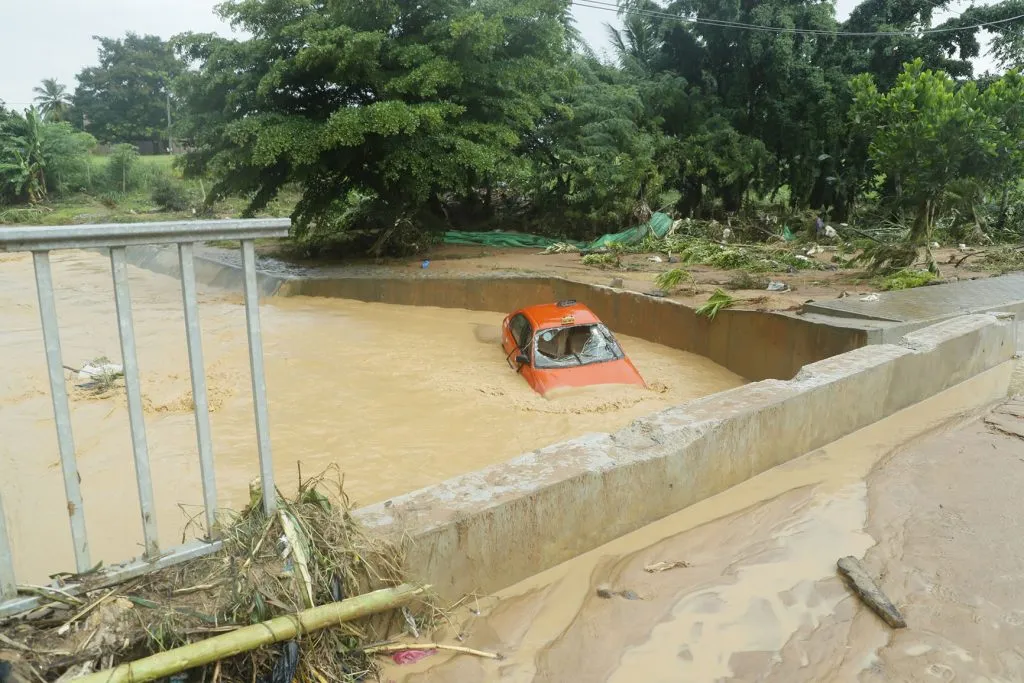
Relentless downpours have triggered a humanitarian crisis across West Africa, where catastrophic flooding and landslides in Ivory Coast and Ghana have claimed at least 72 lives. The extreme weather, which has hit coastal communities with unprecedented intensity, continues to submerge urban centers and displace thousands of residents as the peak of the rainy season approaches.
Torrential rains and subsequent flooding have claimed at least 59 lives in Côte d’Ivoire since mid-May. The ongoing rainy season, which typically lasts until July, has proven exceptionally severe this year. Government spokesperson Amadou Coulibaly confirmed the grim figures following a cabinet meeting in Abidjan on Wednesday. Officials now fear the death toll could rise further as search and rescue teams continue to navigate affected areas.
The crisis extends beyond the Ivorian borders, with neighboring nations also reeling from relentless downpours. In Ghana, 13 deaths have been confirmed, while thousands have been displaced. Greater Accra Regional Fire Commander Rashid Kwame Nisawu noted that responders rescued more than 400 people on Tuesday alone. Meanwhile, authorities in Benin, Togo, and Nigeria are monitoring rising water levels. In Lagos, Nigeria, flooding recently halted operations at a transmission substation, disrupting electricity supply to several neighbourhoods.
Escalating weather patterns and climate vulnerability
Experts increasingly point to a changing climate as a primary driver for the increased frequency and intensity of these weather events. Although the African continent contributes only a minor fraction of global greenhouse gas emissions, the World Meteorological Organisation has designated the region as especially vulnerable to extreme climate shifts. This vulnerability is manifesting in unprecedented rainfall data. During a recent assessment, officials in Ghana noted that the downpour reached “approximately 140mm of rain,” which is “significantly higher than the highest single-day rainfall recorded last year [of] about 56mm.”
The intersection of urban growth and infrastructure failures
Read also:
- Auditor-General uncovers GH¢5.26bn in financial irregularities across MDAs in 2025
- Belgium ends US World Cup dream with 4-1 win in Round of 16
- Will Smith and Jada Pinkett reportedly reunite after years of separation
- Stephen Appiah set to light up 5th Edition of All Star Festival at Legon
- Every Player Knows What’s at Stake, Says Black Maidens’ Coach Ahead Senegal Clash
While climate change acts as a catalyst, local authorities are simultaneously grappling with the consequences of rapid, unplanned urban expansion. Cities such as Accra were not originally designed to manage the current volume of residents, and this density places immense strain on existing drainage and infrastructure. President John Mahama recently conducted an aerial tour of the damage and highlighted how growth has obstructed natural drainage.
“As the population continues to increase and people continue to build, it restricts the path of the streams on the way to the Atlantic,” Mahama explained. He further emphasized that “there is also human behaviour [of] dumping garbage in the drains … Even in the air, we discovered many illicit dumping sites where wetlands are.” These obstructions frequently prevent floodwaters from receding, turning heavy seasonal rains into life-threatening disasters.
Government response and emergency interventions
As the crisis continues to unfold, officials are working to manage the immediate impact while urging citizens to cooperate with evacuation orders. In Côte d’Ivoire, Minister Amadou Coulibaly stressed that “the council deplores the particularly high death toll of 59 this year.” He also noted that, conversely, no fatalities had been reported in areas “where residents have complied with the government’s safety instructions and agreed to relocate.”
In response to the devastation, the Ghanaian government has launched a robust emergency package. On July 2, the Ministry of Finance released GH¢350 million from the national Contingency Fund to support humanitarian relief and urgent infrastructure mitigation. President Mahama has also announced long-term strategic plans to relocate key government institutions to a new administrative city to reduce congestion in the capital and enhance regional disaster resilience.
The situation remains critical for many residents who have seen their homes and roads completely submerged. In Ghana, emergency services have been overwhelmed, with spokesperson Alex King Nartey noting that access to flooded areas was “a big problem” that required military assistance. Local disaster management officials, such as Mariam Dongyela Millah, have described the unfolding conditions as “alarmingly” severe.
Moving forward, the region faces a delicate challenge in balancing immediate disaster relief with long-term infrastructure reform. Regional governments must now navigate the difficult intersection of urgent climate adaptation and the complex realities of rapid urbanization to prevent future tragedies. This evolving situation serves as a stark reminder of the urgent need for integrated water management and stricter enforcement of urban planning regulations across the West African coast.