ELS: MBN360 Extractives/Energy
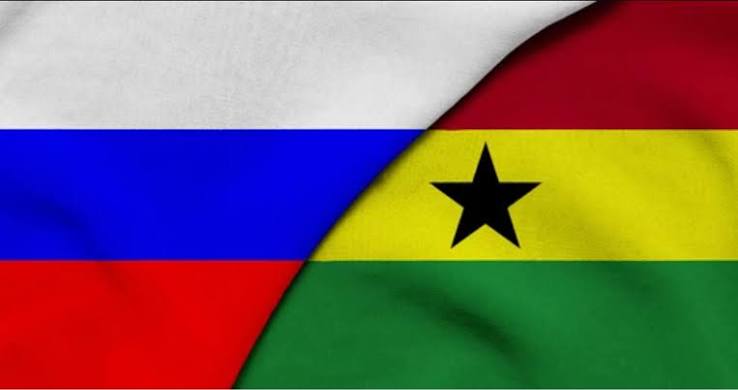
Ghana and Russia are seeking to deepen cooperation in the energy sector, with both countries exploring opportunities in nuclear energy, mining and fertiliser production as part of a broader effort to expand bilateral relations that have seen trade surge to more than US$800 million in recent years.
The renewed focus on energy cooperation comes as Ghana intensifies efforts to diversify its energy mix, strengthen energy security and attract strategic investment into key sectors of the economy.
While discussions also cover education, digitalisation, agriculture and mining, energy emerged as one of the central pillars of the next phase of engagement between the two countries.
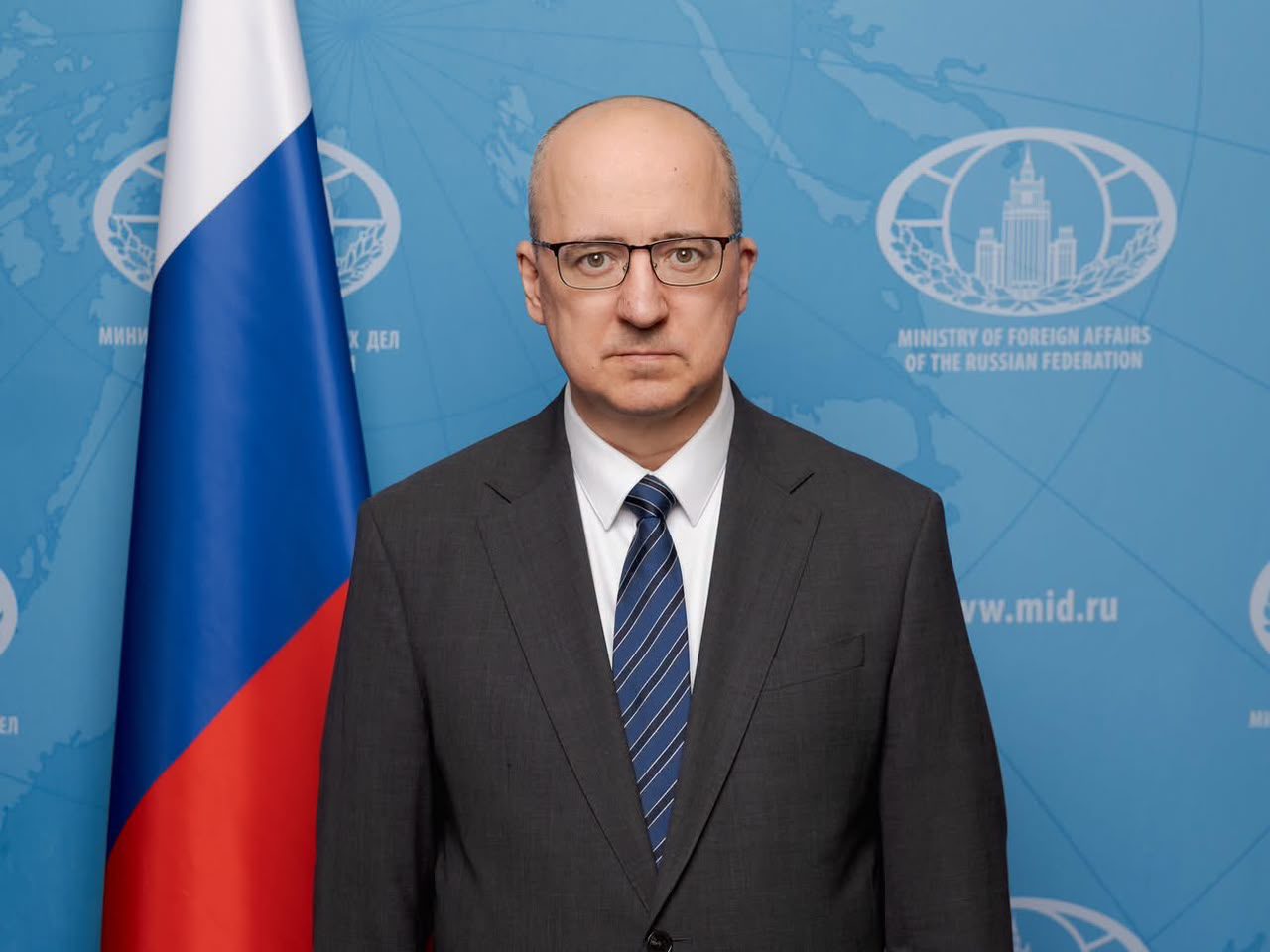
In an interview published on the official social media platform of the Russian Embassy in Ghana, Russia’s Ambassador to Ghana, H.E. Andrei Ordash, outlined areas where Moscow believes collaboration could be expanded, including civil nuclear energy through Russia’s state nuclear corporation, Rosatom.
The discussions come ahead of the Third Russia-Africa Summit, scheduled for October this year in Moscow, where energy, infrastructure financing, technology transfer and industrial partnerships are expected to feature prominently on the agenda.
Energy Cooperation Takes Centre Stage
The Ambassador revealed that a memorandum of understanding has already been signed between the Ghana Atomic Energy Commission and Rosatom, creating the framework for future collaboration in Ghana’s nuclear energy ambitions.
In the energy sector, a memorandum of understanding has been signed between the Ghana Atomic Energy Commission and Rosatom, laying the groundwork for potential future cooperation. Ambassador Ordash
Although he did not provide further details on the scope or timeline of the cooperation, the agreement represents another step in Ghana’s long-term plan to diversify its electricity generation mix beyond conventional thermal and hydro sources.
Successive governments have identified nuclear energy as part of Ghana’s long-term energy strategy, arguing that dependable baseload power will be required to support industrialisation, population growth and future electricity demand.
Russia, through Rosatom, has become one of the world’s leading exporters of nuclear technology, with projects across Africa, Asia and the Middle East.
The latest discussions therefore position Russia as one of the international partners expressing interest in supporting Ghana’s long-term energy transition agenda.
Mining and Fertiliser Also Feature
Beyond electricity, the discussions extended into other strategic sectors closely linked to energy and industrial development.
The Ambassador disclosed that Russia is prepared to increase fertiliser exports to Ghana while exploring opportunities for local production.
In agriculture, Russia is ready to increase fertiliser supplies and develop localised production. In the mining sector, there is interest in joint development of gold and bauxite deposits. Ambassador Ordash
The proposal comes at a time when governments across Africa continue to seek more stable fertiliser supplies following disruptions to global commodity markets in recent years.
The mining component is equally significant for Ghana, whose gold sector remains one of the country’s largest foreign exchange earners while bauxite development continues to feature prominently in government’s industrialisation agenda.
The Ambassador added that Russia also views Ghana as a strategic entry point into wider African markets.
Ghana is viewed as a partner for accessing African markets within the framework of the Africa-China Free Trade Agreement
Trade Relations Gather Momentum
The renewed engagement reflects the rapid expansion of economic relations between the two countries.
According to Ambassador Ordash, bilateral trade has risen significantly over the past two years.
Read also:
- CompuGhana Rewards Customers, Opens New East Legon Showroom
- Nearly 1 million Ghanaians lifted out of poverty in a year — Ato Forson
- Ghana’s economy tops $100 Billion for first time, now 8th largest in Africa – Ato Forson
- St Mirren agree deal to sign Ghana U20 winger Abdul Hakim Sulemana
- GPL: Medeama sign highly rated midfielder Etse Dogli from Heart of Lions
Relations between Russia and Ghana are regarded as positive and dynamic: trade turnover has risen from US$247 million in 2022 to over US$800 million in 2024. Ambassador Ordash
He said the next phase of cooperation would focus on strengthening political dialogue while expanding practical economic partnerships.
The priority is to deepen political dialogue, including coordination within the UN.
The Ambassador also referenced Russia’s support for Ghana’s initiative on United Nations General Assembly Resolution 80/250, which recognises the transatlantic slave trade as a crime against humanity.
Technology and Industrial Development
Beyond conventional energy cooperation, Russia is proposing collaboration in several technology-driven sectors that could complement Ghana’s industrial transformation agenda.
According to Ambassador Ordash, Russia is prepared to share expertise in artificial intelligence, cybersecurity, digital healthcare, digital public services and smart city technologies.

Russia is offering partnerships in the fields of artificial intelligence, digital platforms (including the experience of the ‘Gosuslugi’ portal and ‘Smart City’ technologies), cyber security, the creation of independent payment systems, and digital healthcare. Ambassador Ordash
While these proposals extend beyond the energy sector, digital technologies are increasingly becoming integral to modern electricity systems through smart grids, digital monitoring and automated infrastructure management.
Education to Support Technical Capacity
The Ambassador also announced additional educational cooperation designed to strengthen human capital development.
He disclosed that Russia has allocated 120 government scholarship places for Ghanaian students for the 2026/2027 academic year, while institutional partnerships between universities in both countries continue to expand.
According to him, Takoradi Technical University has become the first Ghanaian institution to join the Russian-African Network University, while more than 500 students are currently studying the Russian language at the University of Ghana and UniMAC.
The emphasis on higher education is expected to complement future cooperation in specialised fields such as nuclear science, engineering and technology.
Looking Ahead to the Russia-Africa Summit
The Ambassador described Ghana as one of Russia’s trusted partners in West Africa and confirmed that preparations are underway for the Third Russia-Africa Summit, which will take place in Moscow on 28–29 October 2026.
According to him, the summit is expected to adopt a new Partnership Forum Action Plan for 2027–2029, alongside several cooperation agreements.
He stressed that future cooperation should increasingly focus on practical investments rather than trade alone.
Business should not limit itself to trade, but should establish joint production facilities and logistics centres.
He also called for stronger engagement between both governments to translate existing frameworks into tangible projects.
We call on the Government of Ghana to engage in a lively dialogue and to flesh out existing mechanisms with concrete projects. Ambassador Ordash
For Ghana, the discussions reflect another opportunity to diversify strategic partnerships at a time when the country is pursuing investment across energy infrastructure, mining, industrial processing and technology-driven development.
While many of the proposals remain at the cooperation stage, the emphasis on energy, industrial production and technology transfer underscores the growing importance of Ghana within Russia’s broader engagement strategy across Africa.