
ELS: MBN360 HEALTH
An average of 42 new HIV infections is recorded every single day in Ghana, drawing critical concern from public health authorities over transmission rates across the country.
The Ghana AIDS Commission (GAC) revealed these daily figures through its recent National and Sub-National HIV estimates.
The data underscores that despite long-standing national initiatives, the virus remains an active, daily public health challenge.
The daily average translates into an estimated 15,290 new HIV infections annually. Health officials emphasize that a substantial portion of these transmission chains is driven by individuals who are unaware of their status and lack access to treatment that reduce their viral load.
Currently, 334,721 people are living with HIV in Ghana. The virus continues to claim lives, with the commission documenting 12,614 AIDS-related deaths per year, a metric heavily tied to late diagnoses and delayed entry into healthcare programs.
The epidemic continues to disproportionately affect certain population groups and regions. Females are disproportionately affected, making up nearly 67.4% of all new infections nationwide.
Read also:
- CompuGhana Rewards Customers, Opens New East Legon Showroom
- Nearly 1 million Ghanaians lifted out of poverty in a year — Ato Forson
- Ghana’s economy tops $100 Billion for first time, now 8th largest in Africa – Ato Forson
- St Mirren agree deal to sign Ghana U20 winger Abdul Hakim Sulemana
- GPL: Medeama sign highly rated midfielder Etse Dogli from Heart of Lions
Young adults and adolescents aged 15 to 24 account for 28% of new infections, heavily driven by social vulnerabilities and gaps in localized sexual health resources.
The Greater Accra Region leads the nation in total volume, reporting the highest number of new infections at 3,141 cases.
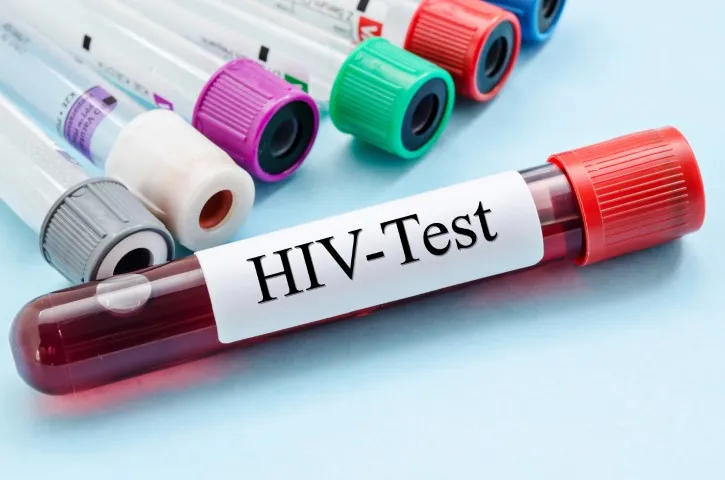
To alter these figures, the GAC has expanded the deployment of HIV Self-Testing (HIVST) kits.
These kits, according to the commission, let individuals screen themselves in the privacy of their homes, helping to overcome the stigma that historically blocks people from visiting public clinics.
While the latest 2025/2026 data presentations estimate a promising 14% decline in annual infections (dropping to 13,951), the GAC emphasizes that an average of 42 new infections each day means prevention must remain a national priority.
Citizens who test positive can access free Antiretroviral Therapy (ART) at all public health facilities, which suppresses the virus and helps prevent further transmission.