
ELS: MBN360 POLITICS
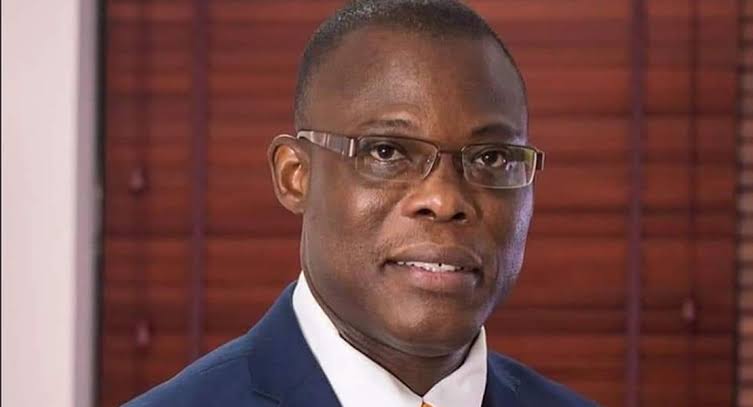
The General Secretary of the National Democratic Congress (NDC), Fifi Fiavi Kwetey, has called for a shift from excessive political partisanship towards a national interest-driven approach to governance, insisting that Ghana must always come before political parties.
Speaking on JoyNews’ PM Express with host Evans Mensah during a one-on-one discussion on the topic, “The NDC Reset and JM’s Scorecard,” Mr Kwetey said Ghana’s development would remain difficult to achieve if political actors continued to prioritise party interests over the collective good of the country.
He argued that the country must reach a point where its stability and progress are guaranteed regardless of which political party is in power.
According to him, political parties must recognise that no government remains in office forever, adding that both the NDC and the New Patriotic Party (NPP) should work towards building a country that remains safe and stable under either administration.
He said his political journey had gradually changed his understanding of national development, moving from the belief that political victory was the principal solution to recognising that good and bad people exist across all political parties.
Mr Kwetey stressed that the NDC must first examine its own conduct if it hopes to become a credible vehicle for national transformation.
“If NDC wants to be the best vehicle for the country, then NDC must always do that introspection to ensure that we ourselves are really living up to that expectation,” he stated.
He further challenged the two major political parties to move beyond competing to outperform each other and instead hold themselves to higher standards of accountability and performance.
Reset must begin with the NDC
On his decision to seek re-election as General Secretary in December, Mr Kwetey explained that his decision was informed by his belief that the party had not yet achieved the transformation it set out to accomplish.
He maintained that the NDC’s reset agenda must begin within the party, particularly through stronger discipline, collective responsibility and a renewed commitment to its founding ideals.
According to him, members must understand that the collective interest of the party is more important than the ambitions and personal interests of individuals.
He observed that some people join political parties primarily for personal benefits rather than a genuine desire to contribute to the party and, ultimately, national development.
Read also:
- Remarks on Ningo-Prampram military operation were not an attack on GAF – Sam George
- President Mahama, WTO Chief discuss trade and investment opportunities
- There’s a coordinated autocratic abuse of power intended to silence our voices – Minority cries out.
- GEA, FDA Ease Regulatory Access for Businesses
- Iran Warns Of US Power’s ‘Irreversible Collapse’
Mr Kwetey described this as a troubling development, suggesting that political parties had, over time, created an environment that encourages such behaviour.
He warned that the situation had resulted in what he described as a group of people who had become virtually like “mercenaries” within political parties.
A call for greater political responsibility
The NDC General Secretary believes political transformation requires a fundamental change in how politicians and party members approach public service.
He argued that party membership should be driven by a commitment to strengthen political institutions, contribute to national development and create opportunities for citizens, particularly the youth.
For him, the ultimate measure of a successful political reset should not simply be whether the NDC performs better than the NPP, but whether the party can consistently challenge itself, embrace accountability and contribute to building a stronger Ghana.
Mr Kwetey’s remarks raise an important question about Ghana’s political culture: can political parties genuinely put national interest ahead of electoral victories and individual ambitions?
As the NDC continues its reset agenda under President John Dramani Mahama’s administration, the real test will be whether the principles of discipline, accountability and self-criticism he advocates can be reflected in the party’s actions.
After all, a political party’s success should not only be measured by how long it stays in power, but by the strength of the institutions and the country it leaves behind.


