Els: MBN360- News
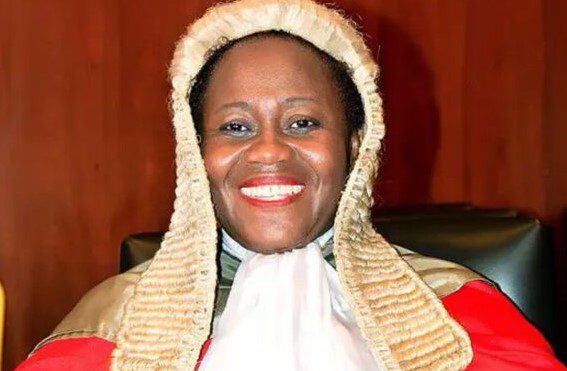
The ECOWAS Community Court of Justice has dismissed all seven claims brought by former Chief Justice, Justice Gertrude Araba Esaaba Torkornoo, against the Republic of Ghana, delivering a significant legal victory for the state in a closely watched regional case.
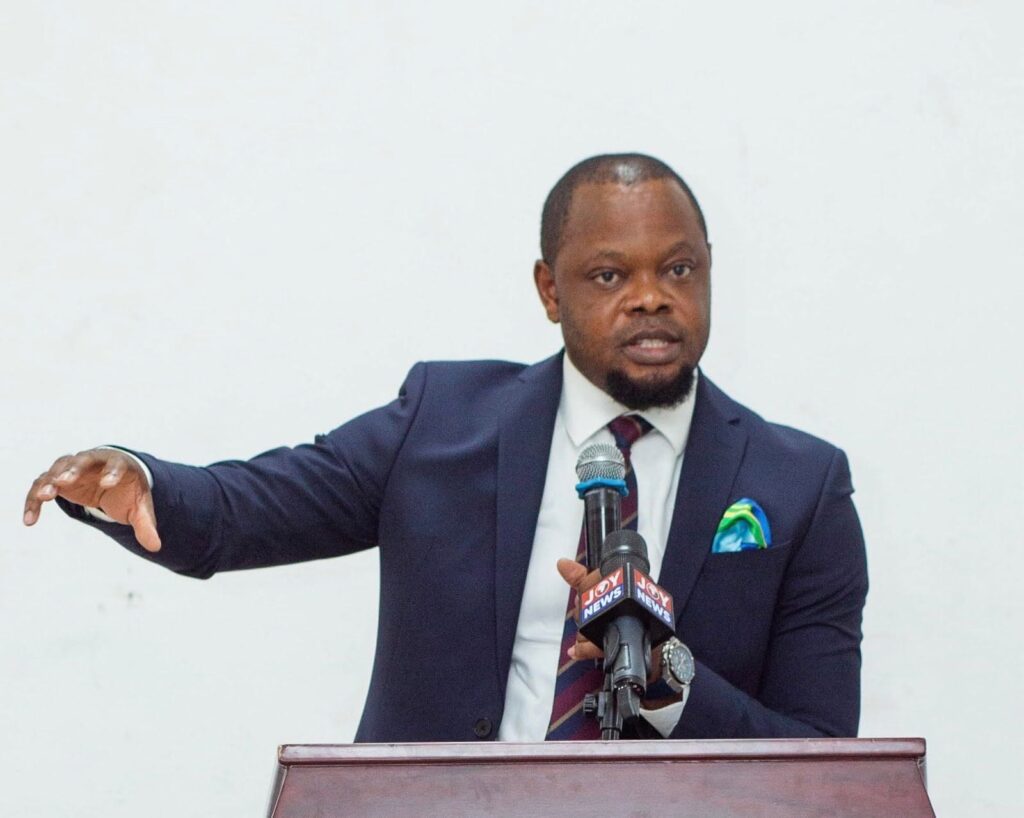
The decision was announced by Ghana’s Deputy Attorney General and Minister for Justice, Dr Justice Srem Sai, who confirmed that the court rejected every allegation advanced by the former Chief Justice and declined to award the US$10 million in damages she had sought.
According to Dr Srem Sai, the court concluded that Ghana had not violated any of Justice Torkornoo’s rights under the African Charter on Human and Peoples’ Rights.
“In light of the Court’s conclusions that Ghana has not violated any of the Applicant’s rights under the African Charter as alleged, the Court makes no decision on reparations.”Ghana’s Deputy Attorney General and Minister for Justice, Dr Justice Srem Sai
Dr Srem Sai praised the legal team that represented the Republic, expressing appreciation for what he described as extensive research and preparation undertaken by state attorneys throughout the proceedings.
Court Rejects Allegations of Rights Violations
Justice Torkornoo had challenged various aspects of the process that led to her suspension and eventual removal from office, alleging violations of her rights and seeking relief from the regional court. However, the court ruled against her on every substantive claim.
According to details provided by private legal practitioner Osagyefo Oliver Barker Vormawor, who serves as counsel to one of the petitioners involved in the proceedings that led to the former Chief Justice’s removal, the court found that Ghana had acted within the bounds of due process.
One of the central issues before the court was whether Justice Torkornoo’s suspension violated her right to work. The court rejected that argument, ruling that the suspension was neither arbitrary nor motivated by ill will.
The court also dismissed her claim that she had been arbitrarily removed from office, finding instead that due process requirements had been observed throughout the proceedings.
Membership of Other Courts Linked to Chief Justice Position
The former Chief Justice further argued that her removal from office did not automatically terminate her status as a member of the Supreme Court, Court of Appeal, and High Court.

The ECOWAS Court rejected that position, holding that her membership of those courts flowed directly from her office as Chief Justice. According to the ruling, once she ceased to hold the office of Chief Justice, she could not maintain separate claims to membership of the various courts.
Read also:
- Asokwa-Santasi Road Project Will Be Completed, Government Assures
- Debt Servicing Costs Threaten Government Spending Power
- Sarkodie Delivers Electrifying Freestyle on BBC’s ‘This Is Africa’ with DJ Edu
- NHIA Launches Faith Drive to Boost Health Insurance Access Across Ghana
- Africa Roars into History: Nine Nations Keep the Continent’s World Cup Dream Alive
The court also dismissed her argument that the removal process was flawed because the committee investigating the petitions against her focused primarily on the first petition and did not fully examine the second and third petitions.
Judges ruled that the committee acted prudently and appropriately in the interest of judicial economy.
Security Measures Deemed Lawful and Proportionate
Another major aspect of the case concerned allegations regarding the conditions under which the proceedings were conducted.
Justice Torkornoo argued that she was subjected to undignified treatment, citing security searches, restrictions on family attendance, and the selection of Adu Lodge as a venue for aspects of the proceedings.
The court rejected these claims and found that the security arrangements put in place were lawful, reasonable, and proportionate to the circumstances.
The judges further ruled that Ghana did not violate her rights by continuing the removal proceedings despite her application for provisional measures seeking to halt the process pending determination of her case.
In addition, the court dismissed allegations that she had been denied access to information relating to the proceedings. The judgment noted that although she was entitled to request the full report and records, she had not demonstrated that such a request had been formally made before initiating legal action.
Court Commends Ghana’s Legal Arguments
Barker -Vormawor stated that Ghana’s defence was led by Deputy Attorney General Dr Justice Srem Sai, while Justice Torkornoo was represented by prominent Nigerian lawyer Femi Falana.
According to Barker Vormawor, the court was persuaded by the legal arguments advanced on behalf of Ghana and upheld the state’s submissions on all major issues raised in the case.
He also claimed that following the judgment, Falana expressed dissatisfaction with the outcome and questioned the implications of the ruling. Barker-Vormawor said the court described those comments as unacceptable and indicated that such remarks were not expected from a lawyer of Falana’s standing.

The ECOWAS Court’s ruling effectively brings to a close the former Chief Justice’s challenge before the regional tribunal and reinforces the legality of the procedures adopted by Ghanaian authorities during the process that led to her removal from office.
The judgment is expected to generate significant legal and political discussion in Ghana and across the West African subregion, particularly regarding judicial accountability, due process, and the role of regional courts in reviewing domestic constitutional matters.