
Els: MBN360 Health
The Deputy Minister for Health, Prof. Dr. Grace Ayensu-Danquah, has concluded a two-day working visit to the Central Region as part of the Maternal Mortality Action and Response Programme (MMARP), a nationwide initiative aimed at identifying gaps in maternal healthcare and accelerating efforts to eliminate preventable maternal deaths.
The mission, which combined stakeholder engagement, facility inspections and consultations with traditional authorities, forms part of a broader push by the Ministry of Health to strengthen emergency obstetric care and referral systems ahead of the country’s 2030 target for Universal Health Coverage.
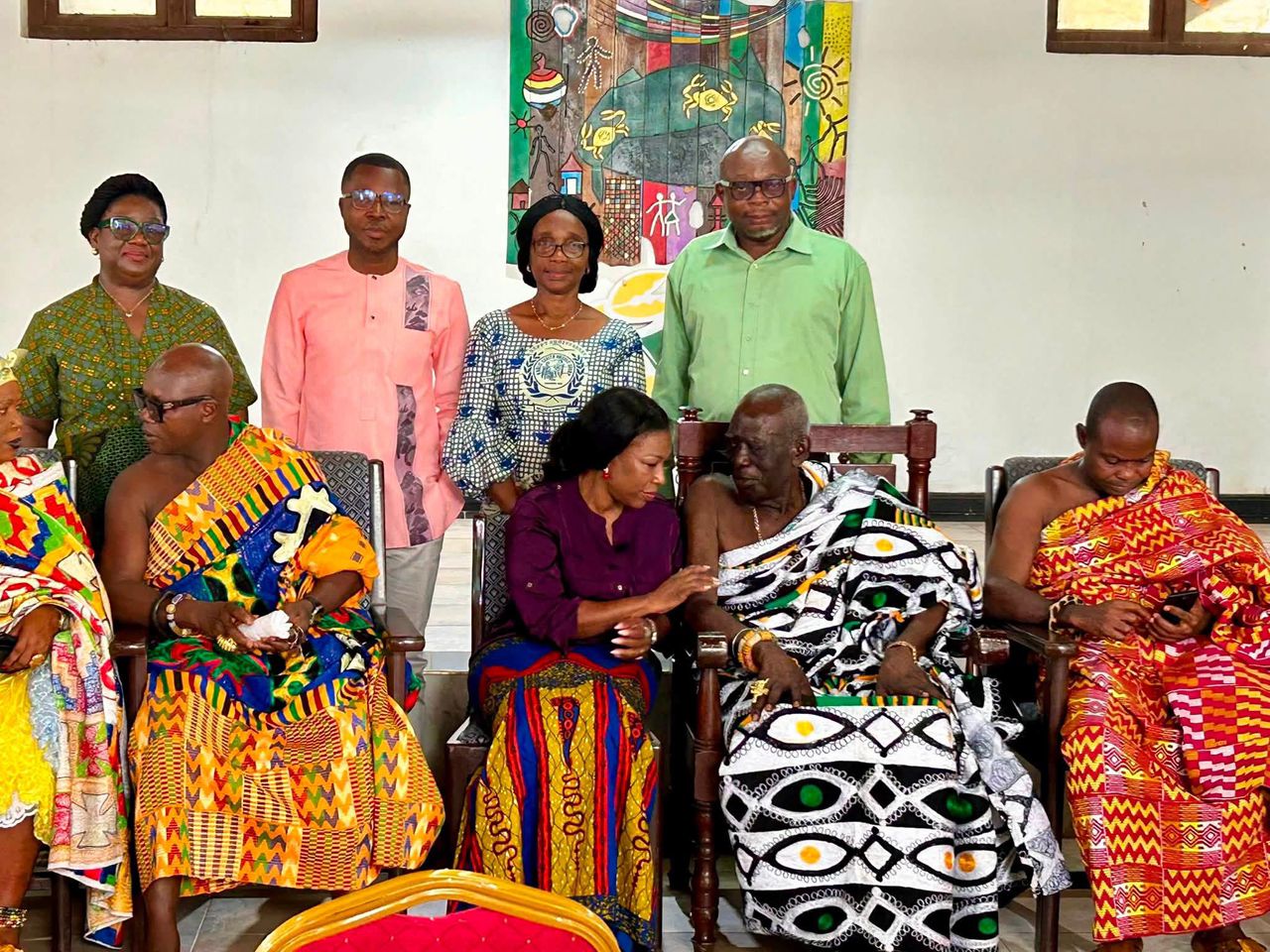
The Central Region leg of the programme began with a courtesy call on the Central Regional House of Chiefs, setting the tone for a mission built around collaboration between government and traditional leadership structures.
Regional Health Directorate Meeting Focuses on Validating Gaps
The Deputy Minister met with the Central Regional Health Directorate and District Directors of Health Services to examine weaknesses in the region’s maternal mortality response system at both regional and district levels.

The meeting centred on reviewing existing challenges, sharing experiences, and identifying practical measures to strengthen maternal healthcare services and speed up efforts to cut preventable maternal deaths.
Discussions brought together health officials from across the region’s districts, allowing participants to compare notes on the specific obstacles their facilities face in delivering timely obstetric care.
The Deputy Minister also paid a courtesy call on Osabarimba Kwesi Atta II, Omanhene of the Oguaa Traditional Area, reinforcing the programme’s emphasis on partnering with traditional rulers who hold significant influence over community health-seeking behaviour.
Engaging chiefs directly is considered a deliberate strategy by the Ministry, given the role traditional authorities play in shaping how communities respond to health interventions, particularly in rural and peri-urban settings where cultural norms can affect whether pregnant women seek timely care.
Working Visits to Cape Coast Teaching and Metropolitan Hospitals
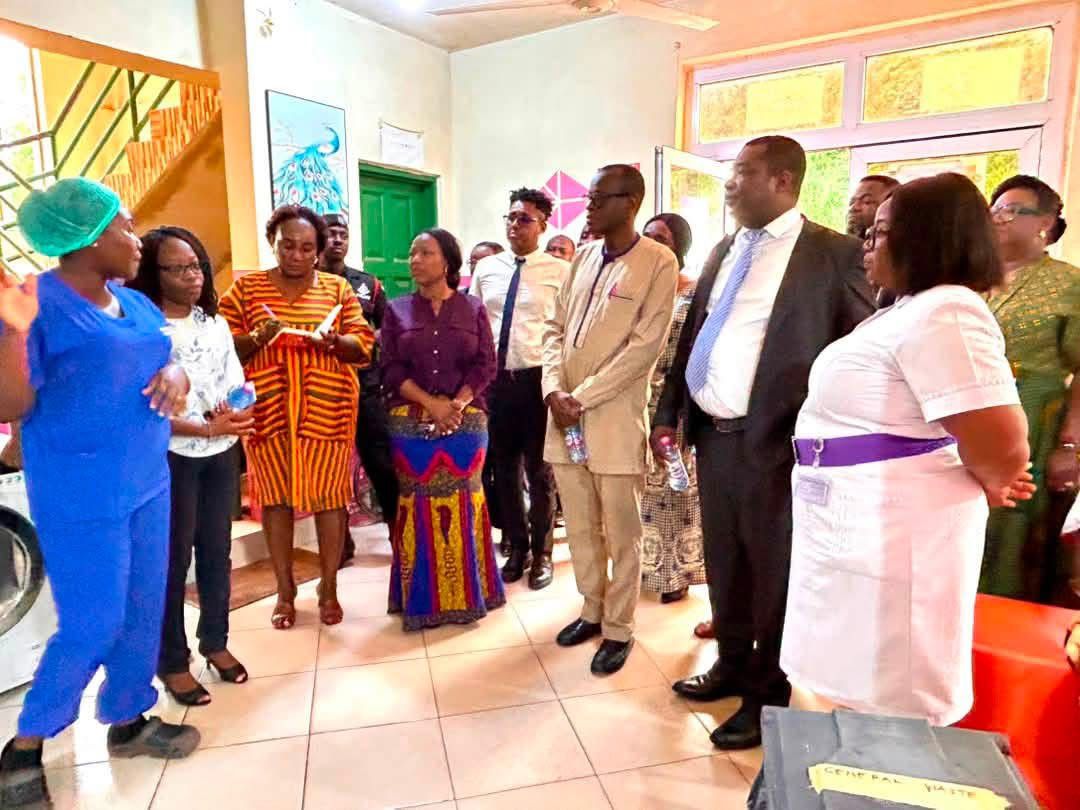
Beyond meetings with officials and chiefs, the Deputy Minister conducted working visits to Cape Coast Teaching Hospital and Cape Coast Metropolitan Hospital, engaging directly with hospital management and frontline clinicians responsible for maternal care.
The engagements focused on maternal mortality trends, primary causes of preventable maternal deaths, and systemic challenges within the referral pathway that impede timely, quality maternal care,
Read also:
- Sentuo Group, Eezzy Group Foundation donate 10 ambulances, pickup vehicle to Ghana Police Service
- Lower Manya Krobo: NDC members petition leadership over alleged irregularities in branch elections
- Defamation Law Demands Truth Defence from Journalists — Tanko Musah
- Ghana Medical Association Demands Urgent Action Over Recurrent Flooding Crisis
- Dame: Deputy A-G’s claim Hanan withdrew from frozen account false
She said direct consultations with clinicians offered a clearer picture of the day to day realities shaping service delivery, insights that often go unnoticed in broader policy discussions but prove critical to designing effective interventions.
Referral Pathway Identified as Key Area for Reform
Among the issues raised during the hospital visits was the referral pathway connecting lower-level health facilities to major hospitals equipped to handle complicated pregnancies and deliveries. Delays or breakdowns within this system have long been identified as a major contributor to preventable maternal deaths, particularly in cases requiring emergency obstetric intervention.
By engaging both hospital management and frontline health workers, the Deputy Minister’s team sought to understand where these breakdowns most frequently occur and what structural or resource-based changes could help close the gap between initial diagnosis and life-saving treatment.
A Wider Commitment to Strengthening Ghana’s Health System
Reflecting on the broader significance of the mission, Prof. Ayensu-Danquah tied the Central Region visits to the Ministry’s long-term health system goals.
“These stakeholder engagements are integral to strengthening Ghana’s health system, improving maternal and newborn health outcomes, and advancing our commitment to eliminating preventable maternal mortality.” Prof. Dr. Grace Ayensu-Danquah,
Her remarks placed the two-day mission within a larger framework of reforms the Ministry has been pursuing, with maternal health identified as a priority area given its direct link to both family welfare and broader public health indicators.
Summing up the purpose of the MMARP tour, the Deputy Minister offered a personal reflection on why the mission matters beyond policy documents and statistics.
“Together, we are working to strengthen emergency obstetric care, referral systems, and community education to save mothers’ lives. Because every birth should be safe and every mother should survive.” Prof. Dr. Grace Ayensu-Danquah,
Central Region Assessment Part of Wider National Rollout
The Central Region engagement forms one leg of a broader national need’s assessment and stakeholder engagement mission under the MMARP framework, with the Ministry expected to conduct similar visits in other regions as part of its effort to build a comprehensive, evidence-based response to maternal mortality across the country.
By combining facility-level assessments with high-level consultations involving chiefs, queen mothers, midwives and doctors, the Ministry appears to be positioning the programme as one that draws on both clinical expertise and community trust, two elements considered essential to any lasting reduction in maternal deaths.
As the tour concludes in the Central Region, attention now turns to how the findings from Cape Coast’s hospitals and district health directorates will translate into concrete reforms, particularly around referral systems and emergency obstetric care, as the Ministry continues its push toward eliminating preventable maternal mortality