
ELS: MBN360 BUSINESS
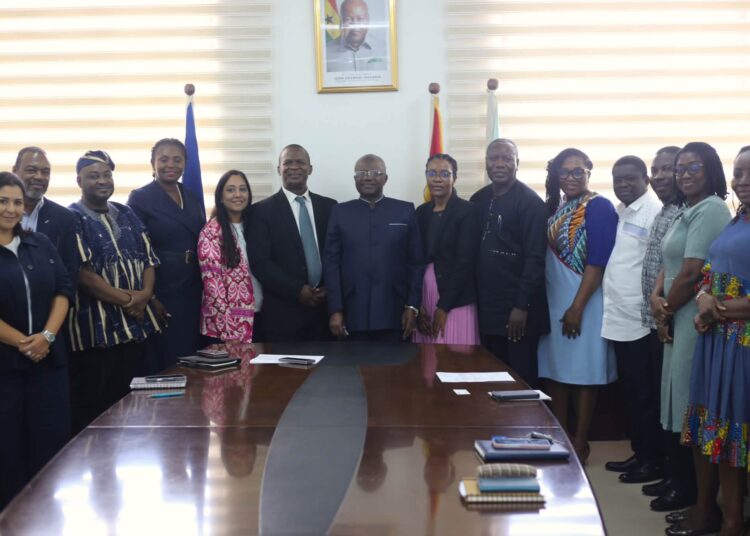
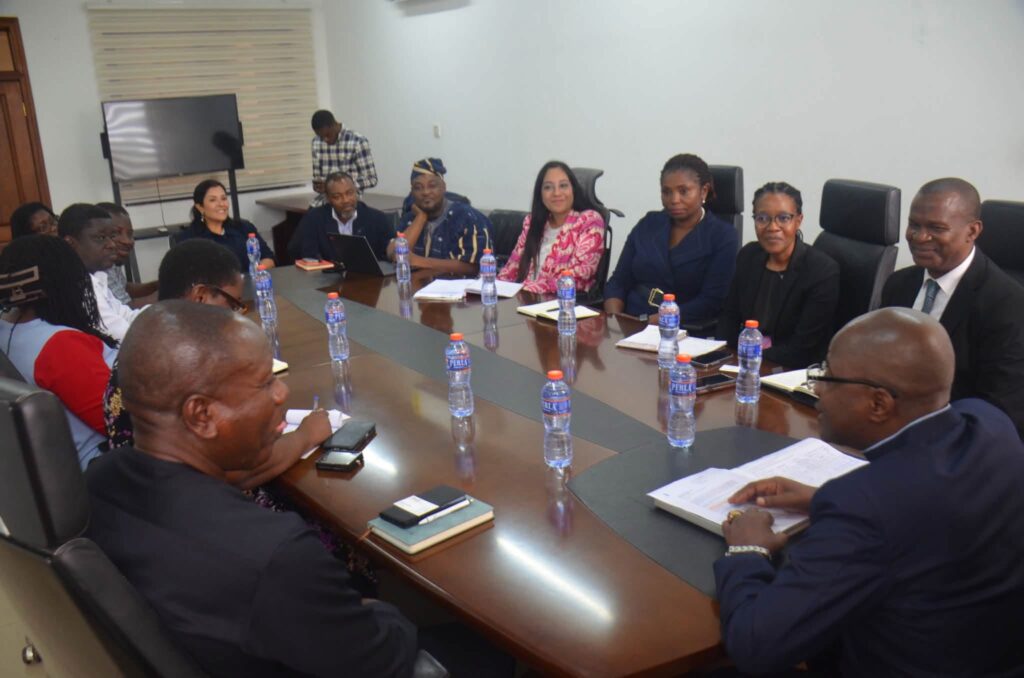
Adelegation from Coca-Cola Equatorial Africa Ltd paid a courtesy call on the Director-General of the Ghana Standards Authority (GSA), Prof. George Agyei, and senior management at the Authority’s Head Office in Accra, to discuss the proposed Nutrient Profiling Model currently under consideration in Ghana.
The meeting, described by both parties as cordial and constructive, provided a platform for open dialogue on nutrition, public health, consumer information and the evolving regulatory landscape for food and beverage products.
It comes at a time when regulators across Africa and globally are increasingly adopting Nutrient Profiling Models (NPMs) as tools to classify foods and beverages based on their nutritional composition, in order to guide policies on front-of-pack labelling, marketing restrictions, and claims related to health.
In Ghana, the Ghana Standards Authority, which is mandated to develop and enforce standards for products, including food and beverages, has been leading stakeholder consultations on the development and potential adoption of a national Nutrient Profiling Model.
Understanding GSA’s Priorities
According to officials present at the meeting, the delegation from Coca-Cola Equatorial Africa Ltd sought to gain a deeper understanding of the Authority’s priorities and perspectives on nutrition and public health, as well as the rationale, scope and implications of the proposed model.
The delegation, led by senior executives from the company’s public affairs and regulatory team, emphasized the company’s interest in aligning with national public health goals while ensuring that regulatory frameworks are science-based, evidence-driven and inclusive of industry perspectives.
The GSA leadership, on its part, welcomed the engagement and used the opportunity to outline the Authority’s mandate in protecting consumers and promoting standards that support public health without stifling innovation and trade.
Prof. Agyei noted that the Authority’s work on nutrition is anchored in its broader mission to ensure that goods and services produced or imported into Ghana meet acceptable standards of quality, safety and health.
He explained that the proposed Nutrient Profiling Model is part of a wider effort by government, in collaboration with development partners and health agencies, to address the growing burden of diet-related non-communicable diseases such as obesity, diabetes and hypertension, while empowering consumers to make informed and healthier choices.
Constructive Dialogue for Healthier Choices
Sources at the meeting said discussions focused on the technical considerations of nutrient profiling, including the nutrients to be considered, thresholds for sugar, salt and fat, and how different product categories would be classified.
Read also:
- Ghana Secures $30 Million Grant for Damongo Tech University
- Dr. Manteaw Challenges Former Finance Minister Over Unanswered Gold Policy Queries
- Coca-Cola Equatorial Africa Engages GSA Leadership Over Proposed Nutrient Profiling Model
- D-Black and E.L. Team Up for New EP, Dancing Machine
- King Promise Stages Chelsea Fan Football Tournament in Labadi Saturday
The Coca-Cola delegation is said to have shared insights from its operations in other African markets where similar models have been introduced, highlighting the importance of a phased, collaborative approach that allows for consumer education, product reformulation and adaptation to local dietary patterns.
The GSA reaffirmed that the process of developing the model would be consultative and transparent, with inputs from industry, academia, civil society and consumer groups.
“The Authority believes in engagement. We want to build standards that are robust, fair and implementable. That is why we welcome industry players who come to the table to understand our work and contribute constructively.”GSA
The engagement also touched on potential areas of collaboration between government and industry in support of healthier consumer choices, including responsible marketing, clear labelling, and initiatives to promote hydration, moderation and balanced diets.
Cocoa- Cola Equatorial Africa Ltd, Industry in Transition
For Coca-Cola Equatorial Africa Ltd, which manages the Coca-Cola business in several markets in the region, the engagement with the GSA reflects a broader shift within the global food and beverage industry toward proactive engagement with regulators on health and nutrition issues.
In recent years, the company has publicly committed to reducing added sugar in its beverages, introducing smaller pack sizes, providing clearer nutritional information on packs, and expanding its portfolio of low- and no-sugar drinks.
The company has said it supports evidence-based regulatory measures that help consumers make informed choices, provided they are developed through inclusive dialogue and grounded in sound science.
While no final decision has been announced on the adoption and implementation of the Nutrient Profiling Model in Ghana, the GSA has indicated that stakeholder consultations are ongoing.
The Authority is expected to continue engaging with key stakeholders, including manufacturers, importers, health professionals and consumer advocacy groups, before finalizing the model and its associated regulatory instruments.
Both parties expressed commitment to maintaining open channels of communication as discussions on the model progress. For the GSA, the goal remains to strike a balance between consumer protection, public health promotion and support for responsible business growth.
For Coca-Cola Equatorial Africa, the priority is to remain a trusted partner in Ghana’s development, contributing to both economic growth and the well-being of consumers.
The engagement ended with an exchange of courtesies and a shared understanding that healthier consumer choices will require sustained collaboration between government, industry and the public.