
Els: MBN360 Economy
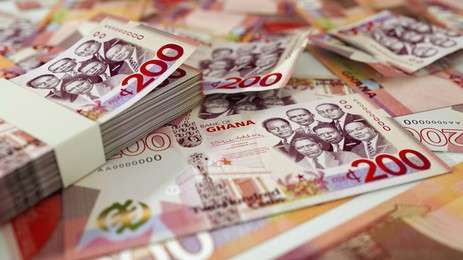
The Bank of Ghana has recorded a significant drop in the cost of printing and issuing currency, even as the amount of cash circulating in Ghana’s economy climbed to a record GH¢83.8 billion in 2025.
This data from the Central Bank reveal an interesting shift in Ghana’s currency management strategy, highlighting a period of aggressive cost control alongside sustained demand for physical cash.
According to the BoG, the total cost associated with currency issuance fell sharply from more than GH¢1 billion in 2024 to GH¢471.4 million in 2025. This represents one of the most substantial operational cost reductions within the central bank’s latest reporting period and points to deliberate efficiency measures undertaken by management.
The decline comes at a time when Ghana’s financial system continues to experience evolving payment behaviors, increasing digital financial inclusion, and growing economic activity across both formal and informal sectors.
Printing and Minting Costs Fall Sharply
A closer look at the figures shows that the most significant savings came from the direct cost of producing physical money.
The cost of printing banknotes and minting coins dropped by 72 percent year-on-year, falling from GH¢986 million in 2024 to GH¢277 million in 2025. This dramatic reduction suggests that the central bank may have implemented tighter inventory controls, improved forecasting mechanisms, and more efficient production scheduling.
Industry analysts say the decline could also indicate lower replacement demand for damaged notes and coins, meaning existing currency stock remained in circulation longer than anticipated.
For a central bank, managing currency production efficiently is critical because printing and minting activities can consume significant financial resources. By reducing these direct production costs, the Bank of Ghana appears to be strengthening operational discipline while maintaining adequate cash availability in the economy.
Cash Demand Continues to Rise
Despite the sharp decline in printing and production expenses, demand for physical cash in Ghana remained strong throughout 2025.
Currency in circulation increased by approximately 17 percent, rising from GH¢71.6 billion in 2024 to GH¢83.8 billion in 2025.
This figure represents the total value of banknotes and coins held by the public, businesses, and financial institutions, excluding currency stored within the central bank’s vaults.
The increase suggests that while digital payment systems continue to expand, cash remains a dominant medium of exchange in many parts of Ghana’s economy.
From market traders and transport operators to rural enterprises and informal businesses, physical cash continues to play an essential role in day-to-day transactions.
This trend reflects broader economic realities, particularly in sectors where digital payment infrastructure remains limited or where consumers still prefer cash-based transactions.
Other Currency Costs Rise
Although the reduction in production costs presents a positive picture, the broader cost structure within the currency management framework tells a more complex story.
Read also:
- GES warns schools against unauthorised fee collection from students.
- Roads Minister satisfied with progress of ‘Big Push’ projects in Upper West, Upper East
- Climate Change is now a National Development Challenge – Seidu Salifu
- New TCDA Pacts Target Soil Recovery And Apiculture Profits
- Black Stars Goalkeepers’ trainer impressed with Hearts of Oak coaching staff
Several supporting operational expenses recorded notable increases during the year.
Agency fees rose marginally to GH¢10.6 million, reflecting the costs associated with currency handling and distribution partnerships.
Foreign currency import costs also increased from GH¢14.4 million to GH¢16.5 million, suggesting higher logistics or procurement expenses.
The most striking increase, however, came from miscellaneous currency-related expenses, which surged from GH¢14.6 million to GH¢183 million.
This sharp jump partially offsets the gains made from reduced printing and minting costs.
Analysts believe these rising ancillary costs may be linked to transportation, security, insurance, storage, and broader logistical requirements involved in managing the country’s currency system.
As the amount of cash circulating in the economy rises, so does the complexity of safely moving, storing, and replacing physical notes and coins across the country.
Implications for Monetary Operations
The latest figures provide important insights into how the Bank of Ghana is adapting its operational strategy in response to changing economic conditions.
By significantly reducing production costs while still supporting growing cash demand, the central bank appears to be balancing operational efficiency with financial stability.
This could also align with broader reforms aimed at improving resource allocation following recent macroeconomic pressures and public scrutiny over institutional spending.
For policymakers, the growth in cash circulation remains an important indicator of economic activity, consumer confidence, and transaction patterns across different sectors.
At the same time, the rise in operational support costs suggests that maintaining an efficient currency ecosystem remains a complex and resource-intensive exercise.
Balancing Cost Efficiency and Market Demand
The 2025 financial performance of the Bank of Ghana reveals a central bank focused on achieving greater efficiency without compromising the economy’s liquidity needs.
The sharp fall in printing and minting costs reflects stronger internal controls and potentially improved strategic planning.
Yet the continued growth in cash circulation demonstrates that physical currency remains deeply embedded in Ghana’s economic landscape.
As digital finance continues to expand, the coexistence of electronic transactions and rising cash demand presents both opportunities and challenges for monetary authorities.