Els: MBN360 Business
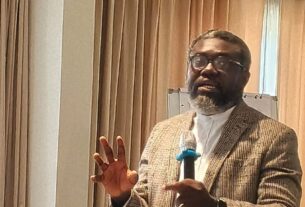
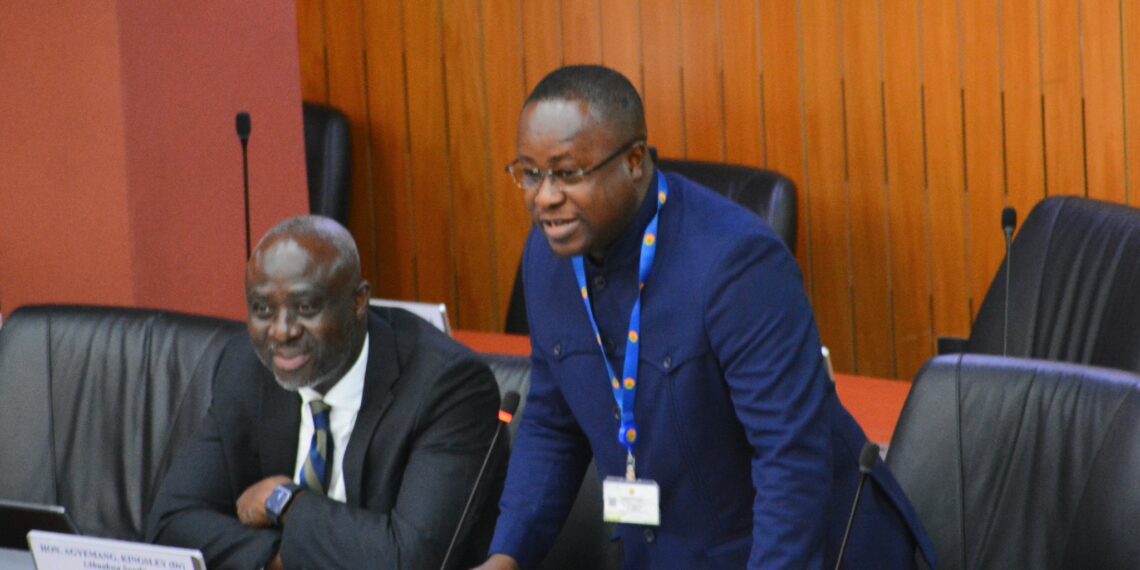
Hon. Michael Kwasi Aidoo, a Member of Parliament and a member of the Parliamentary Select Committee on Energy, is demanding an immediate and independent special inquiry into what he describes as gross negligence and systemic incompetence at the Ghana National Gas Company (Ghana Gas).
This urgent call for accountability follows a revelatory press release from the Ghana Grid Company (GRIDCo), which exposed a catastrophic failure of the Hydrocarbon Management System (HMS) due to a faulty Burner Management System (BMS) controller.
He argued that this technical collapse, which has triggered widespread power outages (Dumsor) across the nation, is the direct result of ignored warnings and a botched servicing process that officials previously dismissed as resolved.
“Parliament must reconvene for a special inquiry to ensure that those involved—from unqualified contractors like Blue Power Ltd. to management executives—answer for this negligence. Ghana’s energy security cannot afford another cover-up, and the public deserves transparency, justice, and reliable power. We must determine if this failure was a result of sheer incompetence or a calculated move to necessitate expensive liquid fuel procurement.”Hon. Michael Kwasi Aidoo

The unfolding energy crisis highlights a troubling timeline of administrative and technical lapses that have now culminated in an emergency shutdown, severely curtailing gas supply to the national power grid.
According to the lawmaker, preliminary assessments suggest the HMS is beyond simple repair and requires a total replacement, a situation that mirrors specific alarms he raised as far back as August 2025 regarding the lack of proper vetting for contractors.
The failure not only exposes the fragility of Ghana’s energy infrastructure but also suggests a pattern of deception, as Ghana Gas had previously issued “false completion claims” regarding the system’s maintenance.
With a dedicated engineering team now working around the clock, the focus has shifted from mere technical restoration to a demand for structural transparency within the energy sector’s leadership.
The Economic Toll of Technical Incompetence

The ramifications of the HMS failure extend far beyond the flickering lights in households; they strike at the very heart of Ghana’s fiscal stability.
As the country grapples with the return of “Dumsor,” the national cost is mounting at an alarming rate. Experts suggest that the fallout could result in billions of dollars in lost GDP due to disrupted industrial productivity and decreased commercial activity.
Hon. Michael Aidoo emphasizes that the “profound cost to the nation” includes not just the immediate multi-million-dollar repair and replacement expenses, but also the secondary effects of higher fuel imports.
When gas supply is curtailed, the state is forced to procure expensive liquid fuels to keep thermal plants running.
Hon. Aidoo points out that these “supply problems create incentives for procuring liquid fuels,” a shift that significantly increases the cost of power production and drains foreign exchange reserves.
This economic strain is compounded by “eroded investor confidence,” as international stakeholders view the recurring instability and lack of transparency as a high risk to the country’s industrialization agenda.
Read also:
- Vice President Opoku Agyemang Addresses Ghanaian Diaspora In Spain
- Mahama says power outages are not “dumsor” but planned grid upgrades
- Pope Leo XIV Describes Angola as Beautiful Yet Wounded
- Ben Proudfoot calls for urgent digitisation of Ghana’s historic film archives
- Supreme Court must embrace technology to reduce delays – Nana Oye Bampoe Addo
The mismanagement of a critical asset like the HMS is no longer a technical footnote; it is a full-blown economic emergency.
Restoring Accountability Through Independent Audits

To resolve the impasse and restore public trust, the proposed special inquiry must function as a bridge between technical assessment and administrative reform.
A thorough investigation would seek to answer the “original questions” regarding the full extent of the damage and the actual total cost to the state.
By convening an independent audit, the government can bypass the “track record of deception” attributed to Ghana Gas management and provide a factual baseline for the system’s failure.
This process is essential to determine whether the HMS collapse was a preventable technical error or a symptom of a deeper “pattern of incompetence” in contract awarding and oversight.
It would investigate the vetting processes or lack thereof that allowed entities like Blue Power Ltd. to handle sensitive energy infrastructure without adequate qualifications.
By bringing these findings to the floor of Parliament, the inquiry creates a legal and public record that prevents future cover-ups.
Ultimately, this level of scrutiny is the only way to “restore accountability” and ensure that the transition to a more stable and green energy future is not derailed by the very institutions meant to safeguard it.
A Critical Junction for Ghana’s Energy Security

The current crisis serves as a litmus test for the government’s commitment to energy sector transparency.
If the Minister of Energy and the administration fail to act decisively on Hon. Michael Aidoo’s call for an inquiry, they risk validating the perception that the disruption was “intentional to allow Ghana Gas to run into problems” for the benefit of fuel importers.
The national conversation is now centered on whether the state can protect its vital assets from “unqualified entities” and “botched servicing” that lead to such catastrophic ends.
As the engineering teams continue their “round the clock” efforts to replace the damaged components, the social cost of the blackouts continues to exacerbate economic hardship for the average Ghanaian.
The demand for justice and reliable power is no longer just a political talking point; it is a requirement for national survival. Restoring the HMS is a technical necessity, but purging the culture of negligence at Ghana Gas is a moral and economic imperative.
Ghana’s path toward a resilient energy grid depends entirely on whether this “clear pattern of incompetence” is finally broken by the weight of a special parliamentary inquiry.