Els: MBN360 News
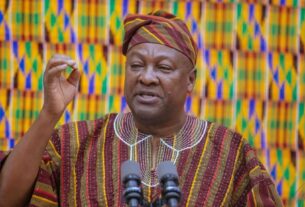
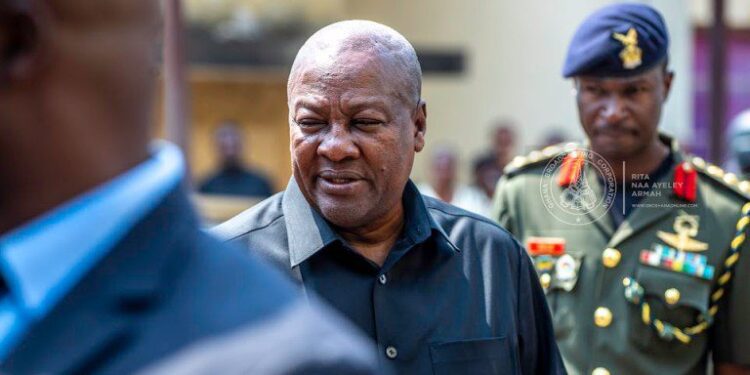
President John Dramani Mahama is set to commence a nationwide engagement initiative dubbed the Resetting Ghana Tour, as part of efforts to deepen transparency, strengthen citizen participation, and align government policies with the needs of communities across the country.
The announcement signals the beginning of an intensive period of public engagement and policy interaction led by the presidency. The tour, confirmed by Felix Kwakye Ofosu, Presidential Spokesperson and Minister of State in charge of Government Communications, forms part of a broader governance framework designed to bring leadership closer to the people.
According to the presidential itinerary, the initiative will involve direct interaction with citizens, inspection of ongoing government projects, and structured engagements with key stakeholders nationwide.
Dialogue with Labour and Stakeholders
Ahead of the official start of the tour, President Mahama is expected to engage with organised labour groups in a high level dialogue aimed at addressing concerns within the workforce and strengthening collaboration between government and workers.

This follows an earlier engagement with the business community, highlighting the administration’s focus on inclusive dialogue across major sectors of the economy.
Plans are also underway for a subsequent meeting with civil society organisations, further expanding the scope of stakeholder consultations. These engagements reflect an approach that prioritizes broad based participation in governance, ensuring that different segments of society contribute to national development discussions.
The sequence of meetings underscores what officials describe as a deliberate effort to build consensus and foster cooperation between government and key national actors.
By engaging labour, business leaders, and civil society, the presidency aims to create a platform for addressing policy challenges through dialogue rather than confrontation.
Resetting Ghana Tour Takes Off
The Resetting Ghana Tour is scheduled to begin immediately after the stakeholder engagements, marking a transition from consultations at the national level to direct outreach across the regions.
The initiative was initially introduced as the Regional Accountability Series, a programme announced earlier in the year as part of efforts to enhance transparency and accountability in governance.
Unveiled at the Jubilee House during a courtesy call by the Upper East Regional House of Chiefs, the programme outlines a structured schedule of regional visits involving ministers, traditional authorities, and local stakeholders.

The rebranded tour is expected to build on this framework by intensifying engagement and broadening its reach. According to President Mahama, the initiative is designed to ensure that governance is not confined to central institutions but is instead responsive to the needs of communities across all sixteen regions.
Read also:
- SIM database needs clean-up after audit of 2 million records- NCA Boss
- Semenyo wins first major trophy as Man City sink Arsenal in Carabao Cup final
- Vegetable exporters demand coordinated response over Burkina Faso tomato ban
- Mahama to lead Ghana’s delegation to UN special session on reparatory justice
- University of Ghana, Ministry of Education among worst performers in Ghana’s public funds compliance ranking
The tour will provide an opportunity for citizens to interact directly with government officials while offering feedback on policies and projects.
Focus on Development and Accountability
A key component of the tour will involve the inspection of ongoing government projects, allowing the president and his team to assess progress and address implementation challenges.
This aspect of the initiative is intended to reinforce accountability by ensuring that public resources are used effectively and that development projects deliver tangible benefits.
Officials say the tour will also serve as a platform for communicating government priorities and progress to the public. By engaging directly with communities, the administration hopes to bridge the gap between policy formulation and implementation, creating a more responsive governance system.

The Resetting Ghana Tour is therefore positioned as both a listening exercise and a mechanism for monitoring development outcomes. It reflects a broader commitment to transparency and citizen engagement, which have become central themes of the current administration’s governance approach.
Afram Plains Visit Highlights Agricultural Agenda
As part of the week’s activities, President Mahama is scheduled to visit the Afram Plains, where he will cut the sod for the construction of the first Farmer Services Centre. The project is one of seventy such facilities planned for the year, aimed at supporting agricultural productivity and improving access to services for farmers.
The initiative is expected to play a significant role in enhancing food security and rural development by providing farmers with the resources and infrastructure needed to improve output.
The Afram Plains event will serve as a key highlight of the tour, demonstrating the government’s commitment to strengthening the agricultural sector.
The planned centres are part of a broader strategy to modernize agriculture and create sustainable livelihoods in rural areas. By integrating these projects into the Resetting Ghana Tour, the government seeks to link policy objectives with on the ground implementation.
A Packed Schedule with Strategic Intent
The president’s itinerary reflects an intensive schedule that combines stakeholder engagement, regional outreach, and project inspection. Officials describe the week as one of the busiest in recent months, with activities designed to advance the administration’s development agenda while reinforcing its commitment to accountability.

The Resetting Ghana Tour represents an evolution of the earlier Regional Accountability Series, expanding its scope and deepening its impact. By bringing governance closer to the people, the initiative aims to ensure that national policies are informed by local realities and that citizens play an active role in shaping development priorities.
As the tour begins, attention will focus on how effectively the engagements translate into policy adjustments and improved service delivery. The success of the initiative will likely depend on the ability of the government to respond to feedback and sustain the momentum generated through these interactions.