Els: MBN360 Extractives/Energy
C-NERGY has revealed that Ghana’s newly passed sliding-scale mining royalty regime is set to become a major fiscal game-changer, with the potential to rake in at least US$200 million in additional annual revenue for the state.
This legislative shift, recently passed by Parliament, seeks to replace the existing flat-rate structure with a more dynamic, variable system where royalty payments escalate in tandem with surging global commodity prices.
By raising rates between 5% and 12% based on specific price thresholds, the government aims to ensure that the nation captures a more equitable share of the “gold windfall” during market booms, providing a much-needed boost to the country’s public coffers.
“If the law passes, it would significantly boost gold-linked earnings by a minimum of US$200 million annually and allow the government to maximize benefits from the price rally. The downside is that it would rank Ghana among the most aggressive mining tax jurisdictions globally, which would impact our market’s attractiveness.”C-NERGY
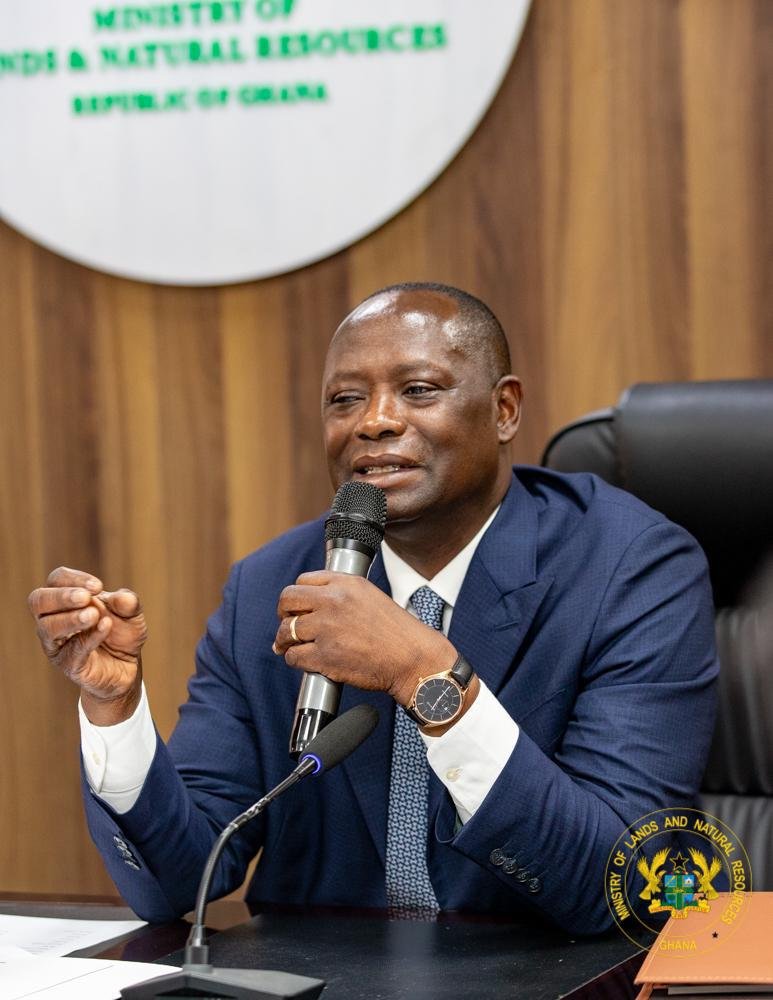
The policy reflects a strategic move by the Ghanaian government to maximize the benefits of the recent gold price rallies that have characterized the global market.
According to the latest C-NERGY Thought Leadership Series, titled “Ghana’s Gold Windfall: A Moment of Opportunity, Not Complacency,” the regime would see royalty rates automatically climb by 100 basis points whenever gold prices cross designated benchmarks.
While this mechanism is designed to strengthen fiscal stability and fund critical infrastructure, analysts warned that it places Ghana in a delicate position, balancing the immediate need for revenue against the long-term necessity of remaining a top-tier destination for capital-intensive mining investments.
Fiscal Fortification and National Development

The anticipated US$200 million annual injection is expected to provide substantial relief to Ghana’s public finances, offering a steady stream of capital for social intervention programs and national development projects.
With gold prices frequently testing new highs, the sliding scale ensures that “the state taps into windfall profits generated during such periods,” rather than remaining locked into fixed returns.
Read also:
- BoG cuts policy rate to 14% despite Middle East risks
- Minority call for ECG report on fast depletion of prepaid units
- Senegal eyes AFCON boycott after CAF strips Teranga Lions of AFCON 2025 title
- GJA calls for depoliticisation of security recruitment
- Minority demands removal of 1 Cedi fuel levy over rising prices
These funds are earmarked to support broader economic stability, potentially reducing the national deficit and allowing for increased spending on healthcare and education.
By securing this “Gold Windfall,” the government seeks to transform temporary market peaks into permanent developmental gains for the Ghanaian populace.
The Chamber’s Pushback and Investment Risks

Despite the promising revenue projections, the proposal has encountered stiff resistance from the Ghana Chamber of Mines, which argues that a 12% upper band could “significantly erode profitability and discourage investment.”
The Chamber has counter-proposed a maximum royalty cap of 8%, coupled with longer-term stability agreements to protect the industry from sudden fiscal shocks.
Industry experts have expressed concerns that becoming a “high-tax mining destination” may cause investors to look toward more competitive jurisdictions when committing billions to new exploration projects.
C-NERGY emphasizes that since the mining sector is notoriously capital-intensive, the perception of an “aggressive tax jurisdiction” could stall the pipeline of new projects that are vital for the industry’s future.
Striking the Balance for Long-Term Growth

The ultimate success of the sliding-scale initiative depends on the government’s ability to find what C-NERGY describes as a “delicate balancing act” between revenue optimization and market competitiveness.
Policy analysts note that while capturing windfall gains is a “moment of opportunity,” it must not lead to “complacency” regarding the needs of global investors who compare tax regimes across borders.
To maintain its status as a mining powerhouse, Ghana may need to consider the Chamber’s call for a “downward industry tax review” to cushion the impact of higher royalties.
As Government deliberates on royalty earnings, the focus remains on ensuring that the drive for immediate fiscal gains does not inadvertently “hurt the country’s mining appeal” and its ability to attract long-term exploration capital.