Els: MBN360 News
The Government of Ghana has uncovered irregular claims involving GH¢160 million in alleged unpaid allowances to teacher trainees following an audit of public sector arrears presented to Parliament.
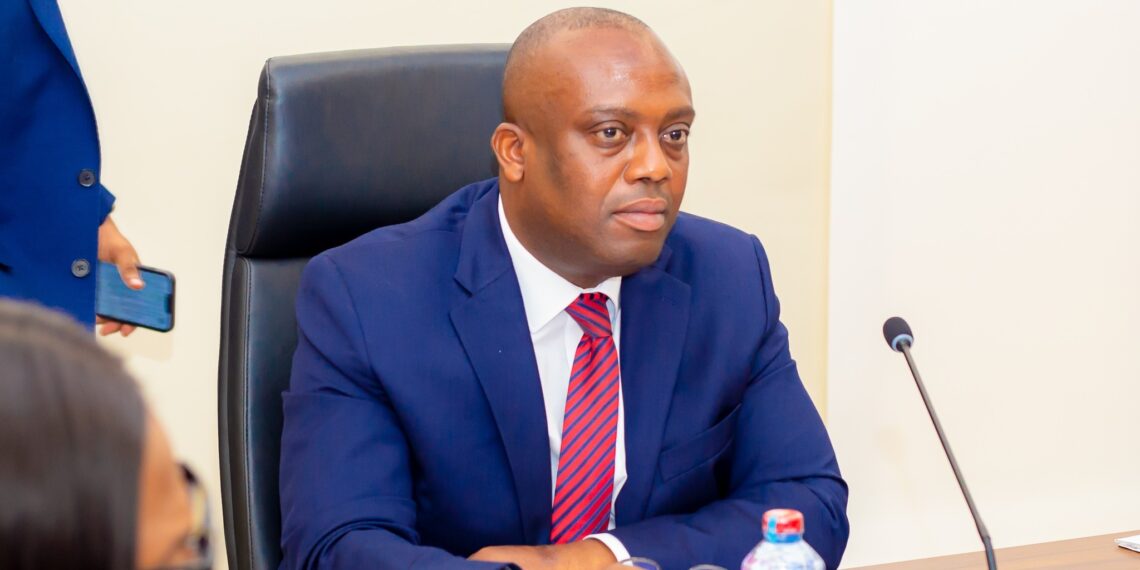
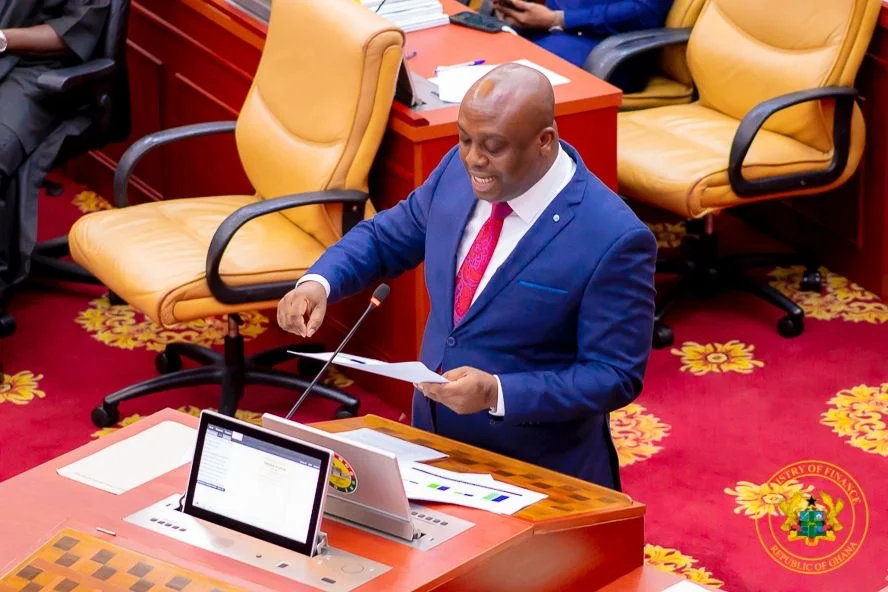
The findings were disclosed by Deputy Minister for Finance Thomas Ampem Nyarko on behalf of the Finance Minister Cassiel Ato Forson during a parliamentary briefing on the results of a nationwide verification of government arrears and financial commitments.
Addressing Parliament, the Deputy Minister explained that the claims formed part of a broader review of government arrears accumulated across ministries, departments and agencies as at the end of 2024.
The audit exercise, which sought to verify the authenticity of financial obligations submitted to the Ministry of Finance, revealed that a significant portion of the teacher trainee allowance claims lacked a factual basis.
According to the report presented to the House, the Ministry of Education had submitted claims indicating that GH¢160 million in allowances remained unpaid to teacher trainees under the supervision of the Ghana Tertiary Education Commission. However, auditors later determined that the arrears did not actually exist.
Audit Reveals No Outstanding Allowances
The Deputy Minister explained that when auditors engaged the Ghana Tertiary Education Commission during the verification process, the agency confirmed that there were no outstanding allowances owed to teacher trainees as of December 2024.

This discovery raised concerns about the accuracy of the arrears records submitted by the Ministry of Education. The audit findings indicated that without the verification exercise, the government could have paid out large sums based on inaccurate information.
According to the Deputy Minister, the verification process prevented a potential loss of more than GH¢159 million in public funds. The revelation formed part of what the Finance Ministry described as deeper structural weaknesses within the public financial management system.
“This is a report on the systemic plunder and abuse of the public financial management system,” the Deputy Minister told Parliament. He added that the findings highlight the urgent need for reforms to protect public resources and strengthen financial oversight across government institutions.
Risk of Double Payments Identified
Beyond the issue of the disputed teacher trainee arrears, the audit also uncovered other troubling irregularities in financial records submitted by government institutions.
The Deputy Minister revealed that an additional GH¢6.1 million appeared on the Ministry of Education’s voucher transfer advice schedule at the Controller and Accountant General’s Department even though the same funds had already been disbursed earlier by a development partner.
This discrepancy suggested that the payment had already been covered through donor support, yet it remained listed within the government payment system. According to the Deputy Minister, such entries could easily create opportunities for duplicate payments.
He explained that the presence of these duplicated records reflects weaknesses in the coordination between donor funded payments and government accounting systems.
Read also:
- Thomas Partey, Former Arsenal Player to deny rape charges, court hears
- GoldBod to Establish Gold Buying Centres Across Mining Districts
- US Strikes Military Sites On Iran’s Kharg Island
- Missile strike hits US Embassy in Baghdad as Iran warns of retaliation over oil hub
- Education Must Deliver Practical Solutions – Veep Opoku-Agyemang honoured as UCC’s first distinguished fellow
The issue also exposed gaps in oversight mechanisms designed to prevent inaccurate or inflated financial claims within government institutions.
Arrears Audit Linked to Wider Financial Review
The teacher trainee arrears case emerged from a larger national audit of government arrears initiated by the Ministry of Finance following concerns about the growing volume of unpaid obligations reported by state institutions.
During the mid year review of the 2025 national budget, Finance Minister Cassiel Ato Forson informed Parliament that an extensive audit was underway to verify the legitimacy of these claims.
The audit focused on government commitments submitted in the form of unpaid invoices, interim payment certificates and bank transfer advisers. In total, claims amounting to GH¢68.7 billion were submitted to the Ministry of Finance for verification.
The audit process was carried out by the Ghana Audit Service with technical support from global accounting firms Ernst & Young and PricewaterhouseCoopers.
Out of the total claims submitted, GH¢50.5 billion represented unpaid invoices and interim payment certificates while GH¢18.3 billion consisted of bank transfer advisers awaiting settlement.
The verification exercise aimed to determine which claims were legitimate government obligations and which ones required further investigation or rejection.
Government Moves to Strengthen Financial Controls
The Deputy Minister emphasized that the findings from the arrears audit highlight the urgent need to strengthen internal financial controls within public institutions.
According to him, inaccurate reporting of arrears and weak coordination between agencies pose serious risks to government finances. He stressed that the government remains committed to tightening oversight mechanisms in order to prevent abuse of the public financial management system.

Officials say the ongoing audit will guide reforms aimed at improving transparency in government spending while ensuring that payments are made only for verified obligations.
The Finance Ministry also believes the audit exercise will help identify systemic weaknesses in financial reporting processes across ministries and agencies. As the verification process continues, government officials say additional irregularities may still be uncovered.
The Deputy Minister concluded that safeguarding public funds requires stronger institutional accountability and stricter monitoring of financial commitments across all levels of government administration.