Read also:
- Kotoka Airport to be Renamed Accra International Airport
- Speaker Bagbin Demands Discipline, Renewal as Parliament Resumes
- $22.6m World Bank support to boost Ghana’s food security – Ato Forson
- Parliament Reconvenes Today: Anti-LGBT Bill, Mining Issues on Table
Els MBN360 News
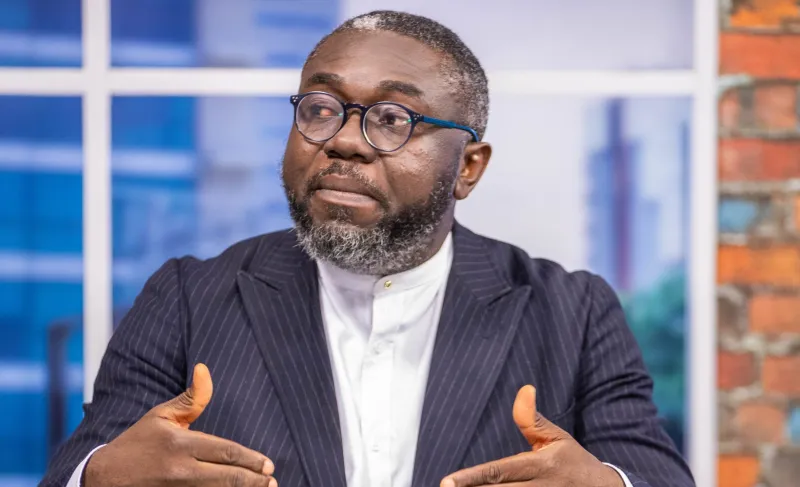
Private legal practitioner and seasoned activist Osagyefo Oliver Barker-Vormawor has called on Ghanaians to rally behind the country’s ongoing constitutional review process, describing it as the most consequential reform effort in the nation’s recent democratic history.
In a wide ranging public appeal, Barker-Vormawor urged citizens to set aside partisan divisions and engage constructively with a process he believes holds the potential to reshape Ghana into a fairer and more accountable society.
Addressing a diverse audience that follows his civic commentary, Barker-Vormawor acknowledged that people engage with his views for different reasons. Some, he said, are drawn by what they consider moral clarity, while others appreciate his humour and sarcasm.
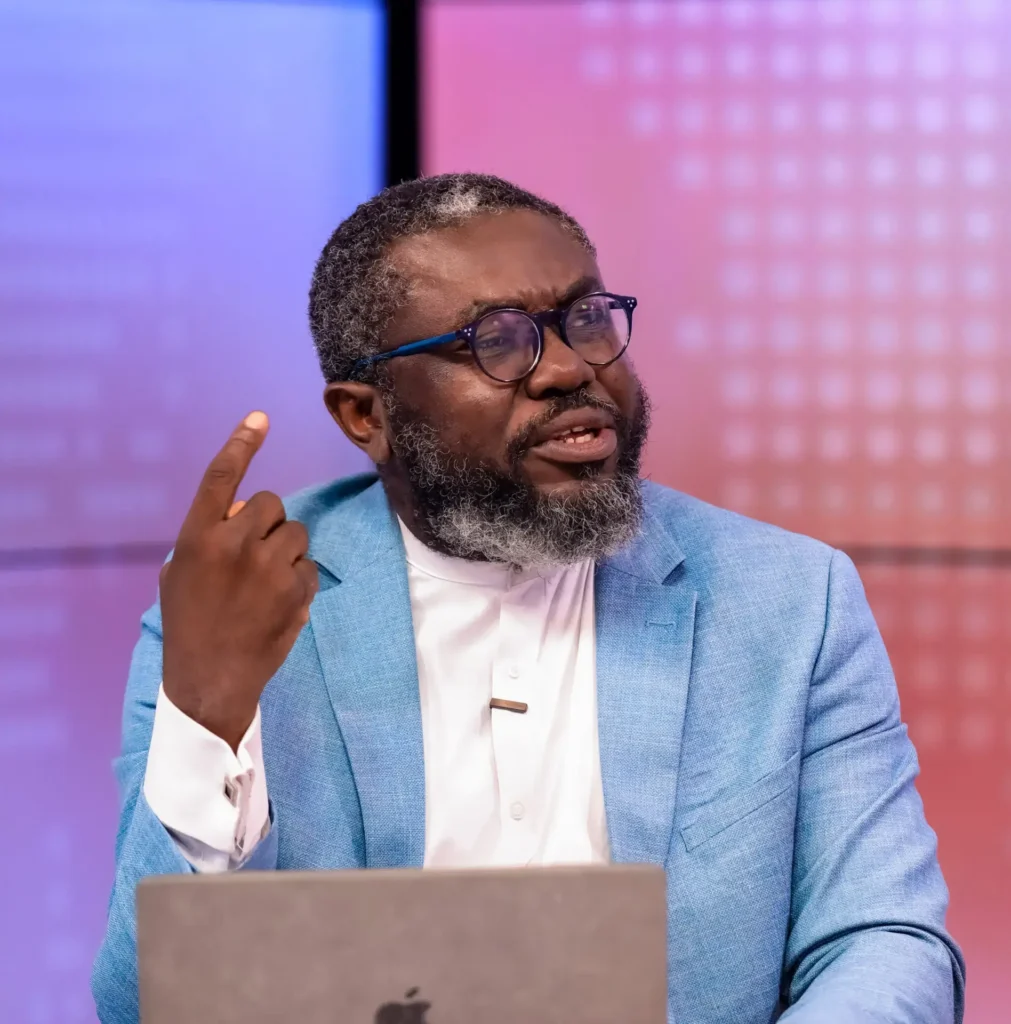
According to him, there are also those who find hope in the vision he articulates of a Ghana that can be transformed into a more just and inclusive state. At the same time, he admitted that his urgency, blunt honesty, and uncompromising demands can be unsettling for some.
“All that is welcome here. And For every insult, I see twice the encouragement. For every moment of doubt I express, I see those who live more boldly because of my courage borne of honesty. Disagreement is the beauty of the Ghanaian! We disagree passionately, yet we recognize that we are bound by destiny and divine désign”.Osagyefo Oliver Barker-Vormawor, Legal Practitioner and Activist
He described disagreement as one of the defining strengths of Ghanaian society, arguing that citizens can hold strong opposing views while remaining bound by a shared national destiny.
In his words, passionate disagreement does not negate unity, but rather demonstrates a collective commitment to shaping the country’s future through debate and participation.
Constitutional Reform: Ghana’s Strongest Path to Progress
It was against this backdrop that Barker-Vormawor issued what he termed a direct appeal to the public to focus attention on constitutional reform. He described the ongoing process of reviewing the 1992 Constitution by the Mahama’s administration as the biggest project of reform currently facing the nation.

According to him, regardless of political affiliation, personal background or ideological preference, all Ghanaians stand to benefit from a constitution that better reflects contemporary democratic values and development needs.
He called on citizens to put divisions aside and unite behind the reform agenda, stressing that while there may be legitimate disagreements over specific proposals or implementation methods, the broader mandate for reform should not be lost.
Barker-Vormawor urged the Ghanaian public to support the process with a sense of shared purpose and to contribute ideas on how Ghana’s democracy can be improved.
His intervention comes at a critical moment in the constitutional review process initiated by President John Dramani Mahama. On December 22, 2025, the Constitution Review Committee submitted its final report, titled Transforming Ghana From Electoral Democracy to Developmental Democracy.
The committee, chaired by Professor H Kwasi Prempeh, was inaugurated in February 2025 to examine long-standing concerns about governance gaps and structural imbalances in the 1992 Constitution.
The report proposes a range of far reaching changes aimed at strengthening democratic governance and reducing the concentration of power in the executive. Among the recommendations is the retention of the two term presidential limit alongside an extension of the presidential term from four to five years.

It also proposes lowering the minimum age requirement for presidential candidates from forty to thirty years, a move that has sparked debate about youth inclusion in national leadership.
On the issue of separation of powers, the committee recommends decoupling the legislature from the executive by barring Members of Parliament from serving as Ministers or Deputy Ministers. It further proposes a cap of fifty seven ministers to streamline government and reduce executive dominance.
In the area of anti-corruption, the report suggests establishing an Independent Anti-Corruption and Ethics Commission to replace the Office of the Special Prosecutor, with prosecutorial authority transferred from the Attorney General to this new body.
Other proposals include replacing the current Article 71 emoluments regime with an Independent Public Emoluments Commission to determine salaries and benefits for public officers.
The report also recommends placing a cap on the number of Supreme Court judges to guard against perceived court packing, as well as deepening political decentralization through the election of Metropolitan Municipal and District Chief Executives.
Process for Implementation
The government has begun preparations to implement proposals emerging from Ghana’s Constitutional Review process, marking a renewed push to reform the country’s fundamental legal framework. The government has clarified that it will not issue a white paper on the report, opting instead for a detailed legal examination of the proposals.
Many of the recommended changes involve entrenched provisions of the Constitution, meaning they will require approval through a national referendum with at least forty percent voter turnout and a seventy five percent approval threshold.
Recognising the scale of the task ahead, the opposition New Patriotic Party has formed a joint committee to study the recommendations, signalling the need for bipartisan cooperation. Achieving the required supermajorities in Parliament and securing public approval will depend on broad political consensus and sustained civic engagement.
Barker-Vormawor’s call for unity reflects this reality. By urging Ghanaians to see constitutional reform as a collective national project rather than a partisan contest, he has positioned public participation as central to the success of the process.
As Ghana moves toward the next phase of reform, voices such as his are likely to play a key role in shaping public understanding and sustaining momentum.