
Read also:
- UK Decries Trump’s Remarks About NATO Troops In Afghanistan
- Shock Mandatory Cargo Insurance Sparks Importers’ Outrage
- Star Oil Exit Exposes Fuel Pricing Paradox – Expert
- Minnesota Holds Strike To Protest ICE Surge
- Legendary gospel star Yaw Sarpong dies aged 66
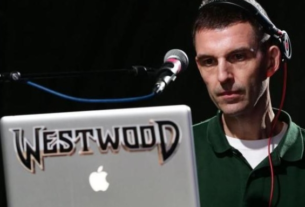
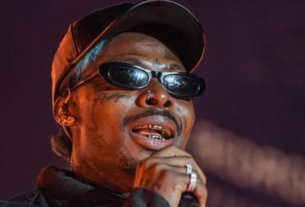
Ghana’s entertainment industry has been thrust into the spotlight following a major legal confrontation between dancehall heavyweight Shatta Wale and outspoken media personality Blakk Rasta.
The award-winning musician has filed a defamation lawsuit seeking GHS 100 million in damages, alleging that a viral video published by Blakk Rasta has severely harmed his reputation, business interests, and personal wellbeing.
The suit, filed at the High Court by Shatta Wale’s legal representatives, Robert Smith Law Group, marks one of the most high-profile celebrity defamation cases in recent years. It stems from a controversial video that accused the musician of being a “self-confessed king of fraud,” a label Shatta Wale insists is false, malicious, and deeply damaging.
Lawsuit Targets Viral Video Publication
According to court documents, the legal action is anchored on a video titled “SHATTA WALE, SELF-CONFESSED KING OF FRAUD,” which was posted on Blakk Rasta’s Blakk Empire Media social media platforms on December 15, 2025. The video quickly gained traction online, drawing widespread public attention and igniting intense debate across social media.
Shatta Wale, known in private life as Charles Nii Armah Mensah, argues that the video went beyond commentary and crossed into defamatory territory. His lawyers contend that the statements made were presented as facts rather than opinions, thereby exposing him to public ridicule and reputational harm.
Allegations Described as False and Malicious
In the statement of claim, Shatta Wale asserts that Blakk Rasta portrayed him as a fraudster who associates with individuals engaged in criminal activities. The suit further alleges that the broadcaster accused the musician of allowing proceeds from fraudulent activities to pass through his bank accounts.
One of the statements quoted in the court filing attributes to Blakk Rasta the assertion that Shatta Wale knows “all the fraud boys in Ghana and outside Ghana,” followed by a proverb suggesting that the friend of a thief is also a thief. Shatta Wale’s legal team argues that such remarks were calculated to scandalise him and portray him as a criminal in the eyes of the public.
The plaintiff maintains that these claims are entirely untrue and were made with reckless disregard for the truth, thereby satisfying the legal threshold for defamation under Ghanaian law.
Rapid Online Spread Amplifies Alleged Damage
Central to the lawsuit is the speed and scale at which the video circulated online. Court documents indicate that within just 24 hours of publication, the video had attracted more than 150,000 views on Facebook and approximately 27,000 views on YouTube.
Shatta Wale’s lawyers argue that this wide reach significantly amplified the damage caused by the alleged defamatory statements. They note that the viral nature of the content exposed the musician to widespread public scrutiny, ridicule, and suspicion, both locally and internationally.
Impact on Family, Fans, and Business Interests
The claim further states that the allegations have triggered anxiety and distress among Shatta Wale’s family members, loyal fan base, and business associates. According to the suit, the comments have negatively affected existing and potential commercial partnerships, endorsements, and collaborations.
As one of Ghana’s most commercially successful musicians, Shatta Wale’s brand extends beyond music into advertising, live performances, and international engagements. His legal team contends that being publicly branded a fraudster undermines the trust that underpins these business relationships and places his career at serious risk.
Reliefs Sought from the High Court
The lawsuit outlines several remedies being sought from the court. These include a declaration that the statements made by Blakk Rasta are defamatory, false, and malicious. Shatta Wale is also asking the court to order the permanent removal of the video from all platforms on which it was published.
In addition, the plaintiff is seeking an injunction restraining Blakk Rasta from making or publishing any further defamatory statements about him. A key demand in the suit is a court-mandated full-page apology to be published in the Daily Graphic, the Ghanaian Times, and Graphic ShowBiz.
The GHS 100 million damages claim, according to the filing, reflects the scale of reputational harm, emotional distress, and financial losses allegedly suffered as a result of the publication.
Silence from Blakk Rasta as Legal Process Begins
Blakk Rasta, a former musician who has become known for his forthright commentary on social and entertainment issues, has not yet publicly responded to the writ of summons. It remains unclear whether he intends to contest the claims or pursue an out-of-court settlement.
As the case proceeds, legal observers say it could test the boundaries between freedom of expression and defamation, particularly in the age of social media where commentary can reach massive audiences within hours.
For now, all eyes remain on the High Court, where the next steps in this unfolding legal battle will be determined.