
Read also:
- Kennedy Agyapong Poised to Take on NDC, Says Aide
- Majority of Ghanaians Support Extending Presidential Term to 5 Years, Poll Suggests
El Samuels: MBN360 New
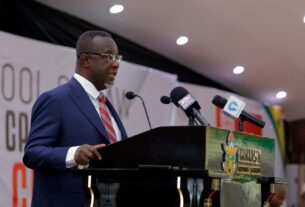
Prof H. Kwasi Prempeh, Chairman of the Constitutional Review Committee, has questioned the compulsory retirement age of 60 for university lecturers, suggesting it be extended to allow experienced academics to continue contributing. He argues that this policy is inconsistent with current practices and doesn’t reflect the realities of academic work, as many lecturers are still productive beyond 60.
Prof Prempeh proposes removing the fixed retirement age from the 1992 Constitution, giving institutions like universities the discretion to retain experienced faculty. He notes that judges retire at 65 or 70, so why not lecturers? The Vice Chancellors Ghana also support extending the retirement age to 70, citing the need to retain expertise and address faculty shortages.
Speaking in an interview with Accra-based TV3 after the CRC presented its final report to President John Dramani Mahama, Prof. Prempeh said the committee is proposing the removal of the fixed retirement age from the 1992 Constitution to allow greater flexibility.
“Our judges retire at 65 or 70, so why must university lecturers, some of whom are still very sharp, be forced to retire at 60?” he asked.
“Some are not even in their prime yet.”
He explained that the committee’s recommendation is informed by the need to give institutions such as universities the discretion to retain experienced faculty where necessary, rather than relying on short-term re-engagements that everyone acknowledges are inefficient.
“Let them work to 70,” he said, noting that retirement age should not be treated as an employment valve.
“The 80-year-old who leaves the classroom is not automatically replaced by a younger person looking for a job. It doesn’t work that way.”
Prof Prempeh also rejected the argument that older academics must exit to create space for younger ones, describing that reasoning as overly simplistic and disconnected from how employment mobility actually functions.
The proposal aims to address brain drain in academia, where skilled lecturers are forced into early retirement. Educationists back the call, highlighting the importance of experience and mentorship in lecturing.