Els: MBN360 News
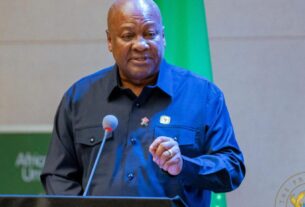
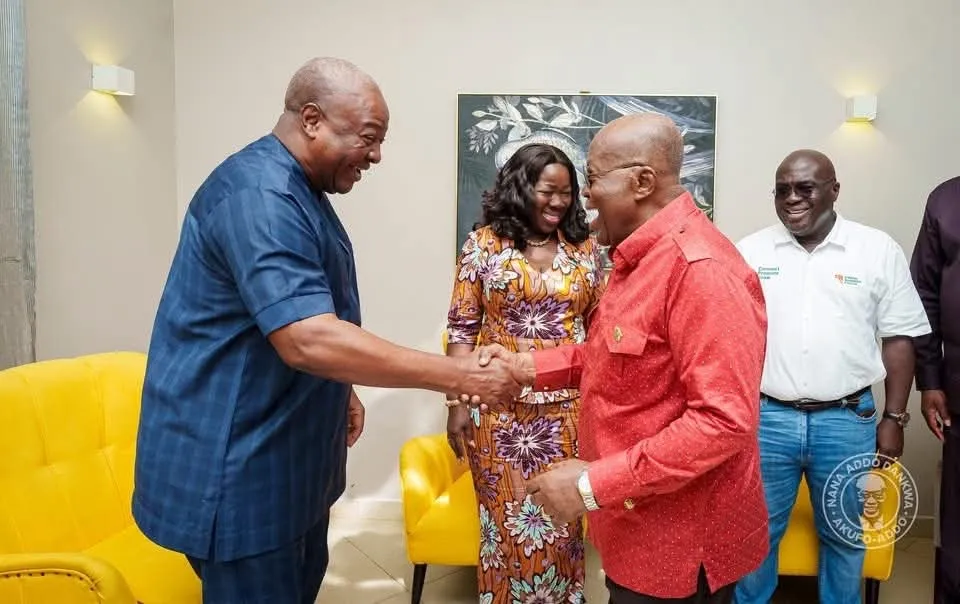
A gesture of reciprocity, as Former President Nana Addo Dankwa Akufo-Addo called on President John Dramani Mahama in Kwahu during the Easter season, precisely on Holy Saturday, as part of Nana Akufo-Addo’s long-standing Easter visits to the area spanning nearly two decades. Last year, during the same season, President John Mahama called on the former President while both (President Mahama and Former President Nana Akufo-Addo) were in Kwahu in Ghana’s Eastern Region.
Images of President John Mahama engaging in a hearty conversation surfaced during the Easter holidays, which got a lot of people talking on social media. President Mahama was in the region to attend the Kwahu Business Forum. These images endeared a gesture that can be described as not only laudable but also worth emulating by the partisan political class.

The images speak volumes and portray how we (Ghanaians) can share different ideologies and yet remain tolerant of each other’s viewpoints. This exemplifies political maturity, and it is a moment that should play over and over for the message to reach every nook and cranny of Ghana—tolerance is key!
Research points to the fact that tolerance is one of the quiet strengths that keeps a democracy stable, fair, and progressive. This is not just about “putting up” with differences; it is about respecting and allowing diverse voices to coexist. The benefits therein are plenty, to say the least.
Promoting Peace and Stability
It is obvious that when citizens accept differences in opinions, religion, ethnicity, and political views, it reduces conflict and violence. Tolerance creates an environment where disagreements are handled through dialogue instead of unrest. Stakeholders, including the National Peace Council, have been on the ground preaching peace, tolerance, and the need for national cohesion to advance development in Ghana.
Encouraging Freedom of Expression
Imagine a society where citizens cannot express their thoughts, aspirations, and opinions in a state. The good news is that a tolerant society allows people to speak freely without fear of discrimination or persecution. This strengthens democratic values like free speech, press freedom, and open debate. Chapter 12 of the 1992 Constitution of Ghana is an assertion in this regard.
Strengthening National Unity
Even in diverse societies (like Ghana, with many ethnic and cultural groups), tolerance helps people feel included. It builds a sense of belonging and shared identity despite differences. National unity and cohesion remain a pathway to progress and development for Ghana.
Supporting Inclusive Governance
Read also:
- Major brands exit UK music festival as Keir Starmer slams Kanye West booking
- Mohammed Raii gifts Stonebwoy brand-new land cruiser in grand show of support
- BoG Governor reaffirms Cedi stability at Kwahu Business Forum.
- Dodowa–Afienya–Dawhenya road project hits 35% completion, ahead of schedule
- Minority raises concerns over alleged LGBTQ provisions in constitutional review
Tolerance ensures that minority groups are heard and represented. This leads to policies that reflect the needs of a broader population, not just the majority. It also contributes to greater outcomes and produces resilient societies.
Enhancing Innovation and Development
Different perspectives bring new ideas. In a tolerant democracy, people can challenge norms, think creatively, and contribute to national development without fear.
Building Trust in Institutions
Former US President Barack Obama once said, “Africa doesn’t need strongmen; it needs strong institutions.” Yes indeed, when people feel respected regardless of their beliefs or background, they are more likely to trust government institutions, elections, and the rule of law. Tolerance indeed can go a long way in building strong institutions.
Preventing Discrimination and Marginalization
In other words, tolerance contributes to reducing prejudice and promotes equality. This helps protect human rights and ensures that no group is unfairly excluded from opportunities or perceived to be alienated from benefiting from the national kitty.
Encouraging Civic Participation
Tolerance is when citizens are more willing to vote, engage in discussions, and participate in governance when they feel their views are respected—even if they are different.
In fact, experts contend that tolerance is what allows a democracy to function without breaking apart. It actually turns diversity from a source of conflict into a source of strength.