Els: MBN360 Extractives/Energy
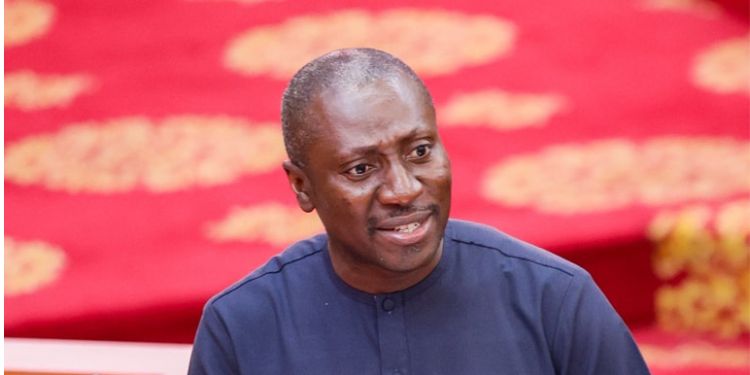
Hon. Alexander Afenyo-Markin, the Minority Leader of Parliament, has issued a stern warning to the government over the newly introduced Growth and Sustainability Levy (GSL) (Amendment) Bill, 2026, which proposes a reduction in the levy for gold mining firms from 3% to 1%.
The opposition leader argues that the timing and structure of the bill are problematic, particularly as they coincide with a new “upscaling regime” under the Minerals and Mining Royalty Regulations that could fundamentally alter the fiscal burden on the extractive sector.
While the government presents the 2% cut as a relief measure for mining companies, the Minority maintains that the move lacks transparency and was introduced without the necessary stakeholder engagement or a proper briefing from the sector minister.
“I am against taxes; I am for tax rebates, tax waivers, and reduced taxes because I am a private sector person who believes businesses reinvest when they are not over-burdened. But when you give the impression of reducing taxes while the base situation is actually worse under this upscaling regime, I will not be blackmailed. The right thing to do is for the minister to come into this chamber, engage leadership, and consult the stakeholders who are already raising serious concerns.”Hon. Alexander Afenyo-Markin

The tension in the House reached a peak as the Minority Leader accused the majority bench of attempting to “blackmail” the opposition into accepting a fiscal document that may cause more harm than good.
Hon. Afenyo-Markin highlighted that while he remains a proponent of tax waivers and reduced levies to stimulate private sector reinvestment, the “upscaling regime” introduced by the current administration creates a complex base situation that the proposed GSL reduction fails to mitigate.
He cautioned that the government’s history of bypassing stakeholder consultations citing the controversial lithium agreement that was recently withdrawn following intense pressure from Civil Society Organizations (CSOs) should serve as a reminder of the dangers of “rash work” in legislative processes.
The Validity of the “Upscaling Regime” Critique

The Minority’s concerns regarding the “upscaling regime” are grounded in the complex interplay between the Growth and Sustainability Levy and the new sliding-scale royalty framework. Research indicates that the 2026 royalty regulations allow the state to adjust rates upward as global gold prices rise.
However, because both royalties and the GSL are applied to gross production rather than profit, mining firms face a cumulative fiscal burden that does not account for rising operational costs.
Read also:
- MoH secures financial clearance for over 14,000 rotation nurses
- Parliament passes bill making Presidential Charter optional for private universities
- Shatta Wale reveals ambition to contest Ablekuma South seat.
- Gov’t declares March 20, 21 Eid-ul-Fitr holidays; Monday, March 23 additional holiday
- Utility tariffs drop: Electricity down 4.81%, water down 3.06% starting April 1
Industry analysts suggest that without a holistic review, the “upscaling” could position Ghana as one of the most expensive mining jurisdictions in Africa, potentially deterring the very reinvestment Afenyo-Markin advocates for.
The Lithium Agreement Precedent and Policy Credibility

The mention of the lithium agreement is a significant point of validation for the Minority’s stance. In late 2025, the government was forced to withdraw the Ghana-Barari DV lithium contract after CSOs and the Minority exposed gaps in the fiscal terms and a lack of a clear “Green Minerals Policy.”
This precedent supports the argument that “rash work” without stakeholder input leads to policy reversals that shake investor confidence.
By demanding that the Minister for Finance and the Minister for Lands and Natural Resources provide a “proper briefing” on ice before proceeding, the Minority is seeking to prevent a repeat of the lithium embarrassment and ensure the GSL amendment is legally and economically sound.
Economic Sustainability and the Private Sector

From a broader economic perspective, the Minority’s insistence on consultation is vital for the betterment of the mining sector.
The Ghana Chamber of Mines has already flagged that the current fiscal regime, including a 35% corporate tax and various levies, could lead to “stalled projects and job losses” if not balanced correctly.
Hon. Afenyo-Markin’s argument that businesses only expand when they have a predictable and fair tax base aligns with the need for a sustainable revenue stream for the country that does not cannibalize the industry’s growth.
Ensuring the minister “meets with leadership” to discuss the “critical and tangential” matters of the bill is therefore a necessary step for national economic stability.