Els: MBN360 News
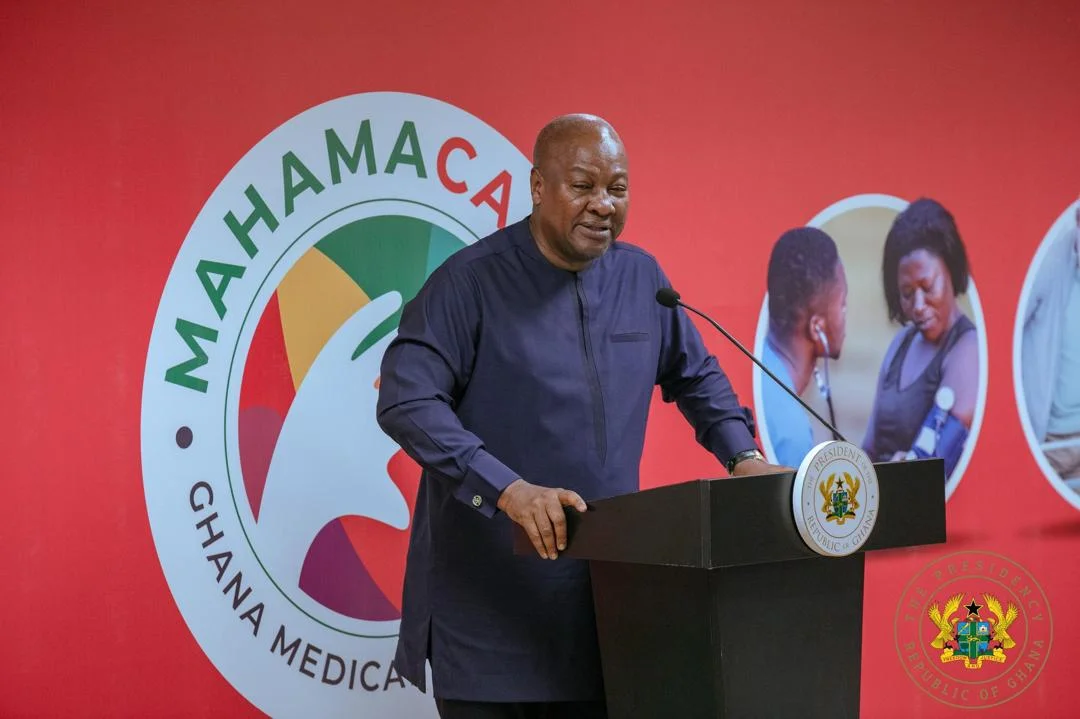
President John Dramani Mahama has announced that a defined portion of the MahamaCares fund will be dedicated to the training of specialist medical doctors as part of a broader national strategy to strengthen Ghana’s health system and improve access to quality care.
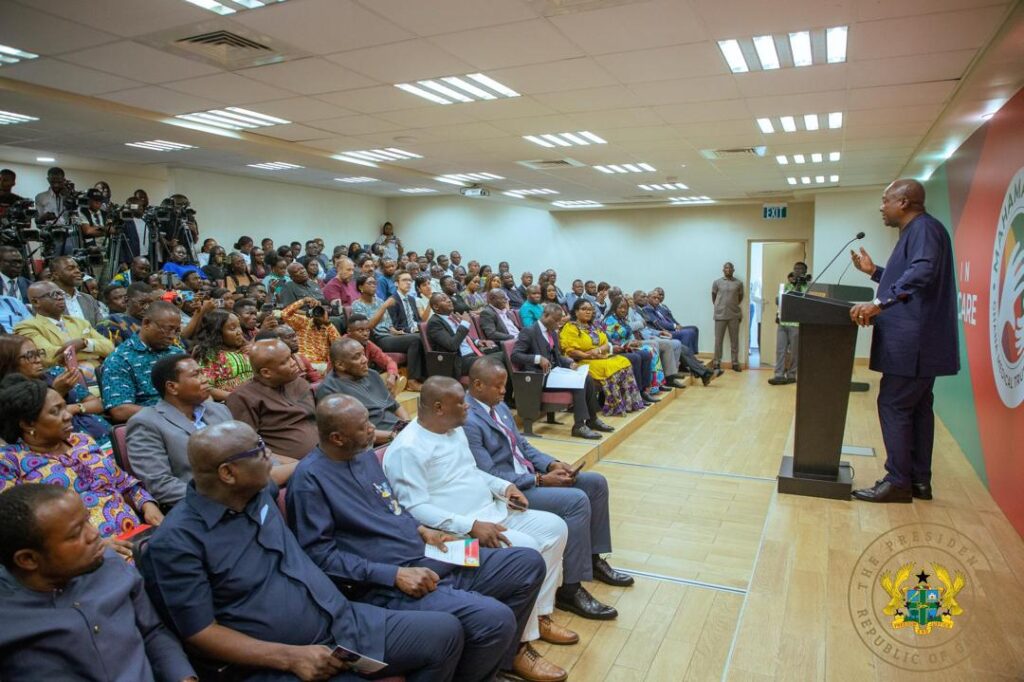
He made this commitment while speaking at the opening of the 66th annual conference of the West African College of Surgeons, hosted in Accra.
Addressing surgeons, trainees, health professionals, and invited guests from across the subregion, President Mahama placed the issue of specialist training at the centre of Ghana’s response to growing health challenges, particularly non-communicable diseases.
He noted that conditions such as cancers, chronic kidney disease and cardiovascular illnesses continue to impose severe clinical and financial burdens on families, making it necessary for the state to combine treatment support with long term investments in human capacity.

According to the President, the Ghana Medical Trust Fund, popularly referred to as MahamaCares, has been designed not only to provide financial risk protection for patients but also to deliberately expand the supply of specialist care.
“Beyond financing treatment, a defined portion of the resources in this fund is allocated to training specialist doctors. In doing so, we’re not only responding to today’s needs, but also deliberately investing in the specialist workforce required for timely, safe, and high-quality care in the years ahead”.President John Dramani Mahama
Concerns over Migration of Health Professionals
President Mahama also raised concern about the renewed migration of skilled health professionals from Ghana and other West African countries. He described the trend as a growing pressure on already stretched health systems, stressing that the solution must go beyond rhetoric.
Improving working conditions, strengthening career progression, enhancing professional recognition and creating supportive environments were identified as practical measures that could encourage health workers to remain and serve. At the same time, he called for structured ways to engage the expertise of Ghanaian professionals living in the diaspora.
Universal access to quality health care, the President said, remains central to Ghana’s development aspirations. He emphasized that no family should be pushed into hardship because of illness, adding that financial risk protection must be an essential pillar of national health policy.
The MahamaCares fund, he explained, is intended to serve as a key instrument in achieving this goal, particularly in the area of non-communicable diseases, which often require prolonged and costly treatment.
Read also:
- Minority urges President Mahama to remove COCOBOD CEO over cocoa price reduction
- Farmers to earn GH¢2,587 per bag as government resets cocoa pricing formula
- Fugu surge sparks international demand as Ghana plans Trade Fairs – Minister Ablakwa
- President Mahama Heads to Ethiopia for 39th AU Assembly
- Ramaphosa To Deploy Army To Combat Gang Violence
Regional Cooperation at the Heart of Special Training
Beyond national efforts, President Mahama underscored the importance of regional cooperation in advancing specialist training. He noted that specialist education does not progress in isolation but thrives through common standards, shared facilities, accredited training platforms and sustained collaboration.
In this regard, he described the West African College of Surgeons as a strategic partner whose role in shaping specialist training, strengthening quality assurance and building a resilient surgical workforce cannot be overstated.
The President highlighted the urgency of improving access to surgical care, pointing out that trauma, obstetric emergencies, cancers, congenital conditions and acute surgical illnesses all require prompt intervention.
Delays in access, he said, often result in preventable disability, avoidable deaths and unnecessary suffering for families. This reality, he added, underscores the importance of investing in both infrastructure and skilled personnel across the health system.
He reaffirmed government’s commitment to carefully studying the recommendations that would emerge from the conference and working with stakeholders to implement those that require immediate action.
While acknowledging the fiscal constraints facing many countries in the subregion, President Mahama called for innovative and sustainable financing models that protect equity, quality and affordability. Responsible private sector participation, he noted, could complement public investment if guided by strong regulation and professional standards.
President Mahama also encouraged continued efforts to promote inclusion within the medical profession, particularly the participation of women in specialist and surgical fields.

He stressed that mentorship, supportive institutional policies and flexible training structures are essential to ensuring that excellence in medical practice can be achieved alongside family responsibilities.
In closing, the President commended the West African College of Surgeons for its longstanding commitment to professional excellence and regional collaboration.
He expressed confidence that the deliberate linkage of MahamaCares funding to specialist training would help build a stronger, more resilient health system capable of meeting Ghana’s present and future needs, while contributing to improved surgical capacity across West Africa.