Read also:
- Mahama Credits Energetic Team for Historic Turnaround
- Government Injects Millions and 660 Tractors into Food Security
- Kennedy Agyapong Rules Out Independent Bid but Slams Betrayal
- President Mahama arrives in Zambia for three-day State visit
- Ninth Parliament: Some key highlights from the Third Meeting of the First Session
Els MBN360 Education
President John Dramani Mahama has described the ongoing transformation of Ghana’s education sector as a historic reset, aimed at correcting structural weaknesses and ensuring fairness across all levels of learning.
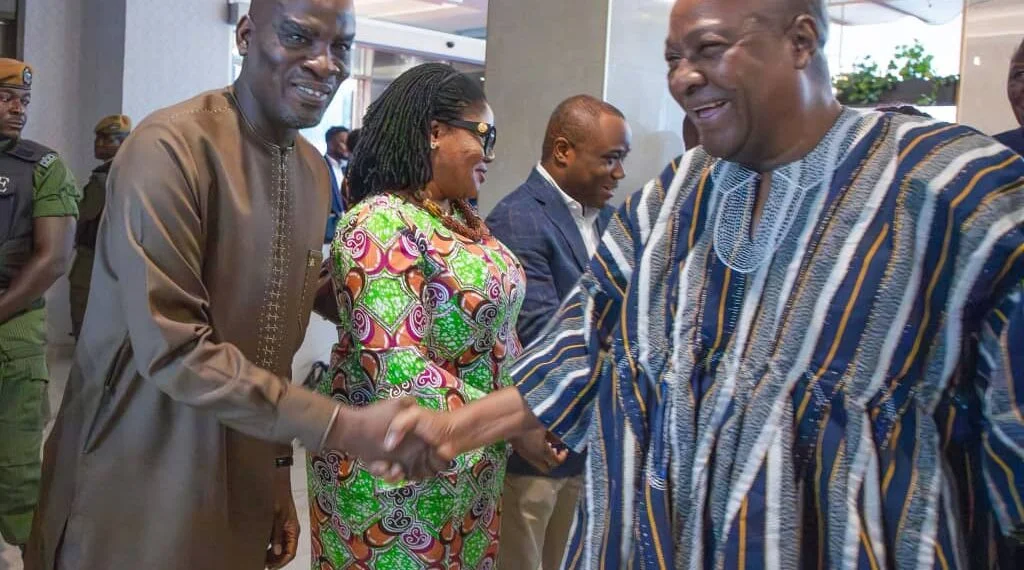
He made these remarks while engaging with Ghanaian nationals in Zambia during his three-day state visit, using the interaction to outline how recent reforms are improving access, quality, and sustainability in education.
“I have my little brother Haruna Iddrisu Iddrisu here who’s been anchoring the education space, and he’s handled, first, he did the national education review exercise, which gave us what the challenges in the education sector were, and he has been responsible for implementing those solutions”.HE John Dramani Mahama, President of Ghana
One of the most pressing issues identified was the financing of the Free Senior High School programme. While the policy significantly expanded access to secondary education, President Mahama said it was implemented without a dedicated and reliable funding stream.
As a result, schools frequently experienced delays in the release of funds, affecting their ability to provide adequate meals and learning materials. He noted that this situation undermined teaching and learning and placed school administrators under constant pressure.

President Mahama told the Zambian based Ghanaians that this problem has now been resolved through deliberate fiscal reforms. Working closely with the Minister of Finance, the government uncapped the Ghana Education Trust Fund and allocated the additional revenue entirely to Free SHS.
He explained that the uncapped portion generates several billion cedis annually, providing predictable funding for the programme and allowing schools to plan effectively.
The President said the impact of this decision is already visible. Reports of poor food quality in senior high schools have reduced significantly, an indication that funds are reaching schools on time. He added that improved funding has restored stability to the system and improved confidence among parents, teachers and students.
Addressing Inequalities among Senior High Schools.
Beyond funding, President Mahama spoke about efforts to address inequalities among senior high schools. He acknowledged that the classification of schools into Category A, B and C has created disparities in perception and opportunity.
Many parents, he said, aspire to place their children in Category A schools, while Category C schools are often avoided, reinforcing inequality within the system. To correct this imbalance, President Mahama announced a major infrastructure investment programme targeting less endowed schools.
Beginning this year, the government will focus on upgrading Category C schools to Category B and improving Category B schools to Category A. He said the goal is to ensure that students receive quality education regardless of where they are placed, creating a more equitable system nationwide.
The President emphasized that education reform must extend beyond senior high schools. He expressed concern that basic education had been neglected in recent years, largely because policy attention was concentrated on Free SHS.

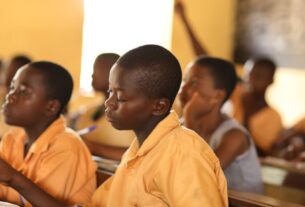
He said many basic schools lacked essential resources, including textbooks and furniture, forcing some pupils to sit on the floor or write while lying down. Describing this situation as unacceptable, President Mahama announced a commitment to provide two million pieces of school furniture by 2028.
This initiative, he said, is designed to ensure that no Ghanaian child at the basic level is forced to learn under undignified conditions. He stressed that strengthening basic education is critical to sustaining improvements at higher levels of the system.
Education Reset as a Cornerstone of National Development
President Mahama framed the education reset as a cornerstone of national development. He said quality education expands opportunity, reduces inequality and equips young people with the skills needed to contribute meaningfully to society.
Investing in education, he added, is essential to rebuilding trust between citizens and the state and to securing Ghana’s long term future. Addressing the diaspora, the President noted that interactions with Ghanaians abroad remain an important tradition, even in an era of instant access to information.

He said such engagements allow leaders to understand the experiences and challenges of citizens living outside the country while also explaining policy choices and national priorities.
As the engagement concluded, President Mahama urged Ghanaians in Zambia to remain connected to developments at home and to support efforts to strengthen the education system.
He said the reset agenda is about creating fair opportunities for all children, regardless of background or location, and ensuring that education serves as a foundation for inclusive growth.