
Read also:
- Call from constituents drove Amina Adam’s decision to contest – Spokesperson
- Supreme Court throws out AG’s request to review key aspect in Adu-Boahene case
- VALCO to Get New Lease on Life with Modernization Push
- GoldBod Refinery Agreement More than Commercial Arrangement – Prof. Rufai Kilu
- Big Push on Course, Roads Minister Assures Timely Completion
Els MBN360 News
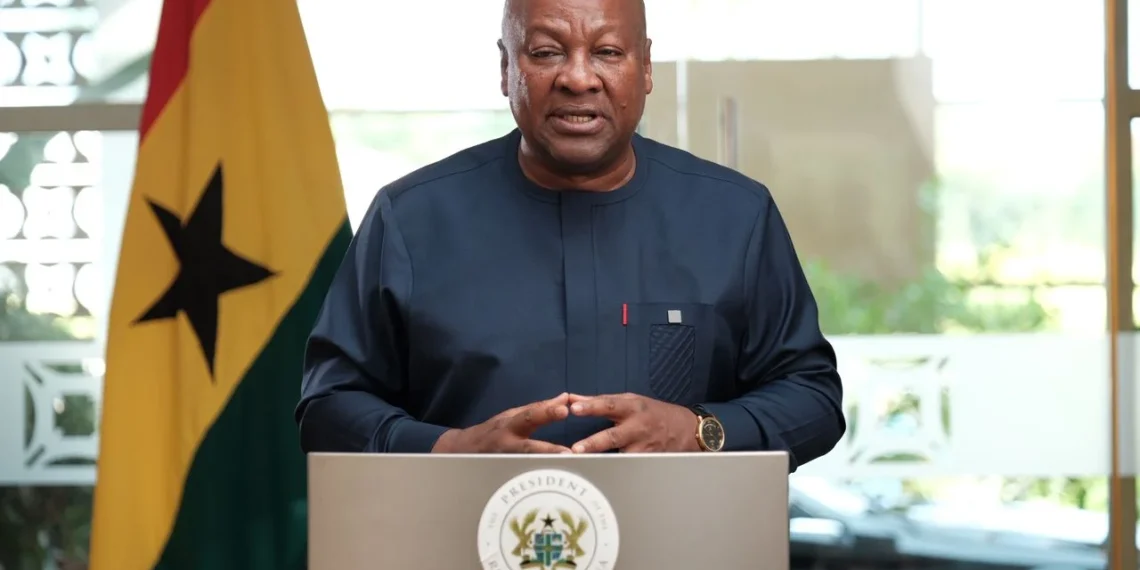
President John Dramani Mahama has fulfilled a key pledge to Ghana’s fishing communities by settling outstanding premix fuel under-recoveries owed to Bulk Distribution Companies (BDCs), a move stakeholders say will stabilise supply, lower prices and safeguard livelihoods across coastal and inland fishing areas.
An amount of GH¢115,957,330, covering premix fuel under-recoveries accumulated between March and September 2025, was fully paid. The payment clears a major financial bottleneck that had constrained the supply of subsidised premix fuel to artisanal fisherfolk.
“This payment is about keeping faith with our fisherfolk.
“When government commits to supporting the premix subsidy programme, that commitment must be backed by timely payments, so fuel flows without disruption.”Ebow Mensah, Administrator of the National Premix Fuel Secretariat
Industry players say the settlement removes a critical liquidity constraint within the downstream petroleum sector, particularly for BDCs tasked with supplying premix fuel at subsidised prices.
Under the premix scheme, BDCs sell fuel below market rates, with government reimbursing them for the losses incurred to cushion fishermen against rising operating costs.
Delays in reimbursement had previously discouraged full supply, leading to shortages in several fishing communities. Officials believe clearing the arrears restores confidence among suppliers and enables them to operate without financial strain.
The payment also reinforces government’s broader policy objective of sustaining the premix subsidy, which remains one of the most direct interventions supporting small-scale fisheries.
Fisheries Ministry Ensures Beach-Level Impact

The Minister for Fisheries and Aquaculture, Emelia Arthur, played a coordinating role in ensuring the financial intervention translates into tangible benefits at the landing beach level.
The ministry has worked closely with energy-sector agencies, BDCs and fisheries associations to align petroleum supply decisions with fisheries policy priorities.
Beyond settling arrears, government has rolled out reforms to improve efficiency, transparency and accountability in the premix system.
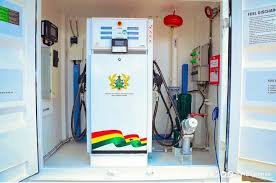
These include moves toward automating premix fuel distribution, strengthening record-keeping and tightening oversight of the Community Development Fund to ensure proceeds from premix sales are properly reinvested in fishing communities.
Officials say these reforms are designed to curb leakages, improve traceability and ensure the subsidy reaches genuine beneficiaries.
Prices Fall as Supply Shows Early Recovery

The impact of the intervention is already being felt on the ground. Premix fuel prices were reduced by 16 per cent effective January 1, 2026, following a previous downward review in October 2025.
The adjustment represents an estimated 18 per cent year-on-year reduction, offering immediate relief to fishermen who rely on premix fuel to power outboard motors.
Government continues to subsidise premix fuel by 50 per cent, with prices reviewed quarterly by the National Petroleum Authority. Officials say clearing the arrears will help guarantee a more consistent supply to communities where shortages often disrupt fishing activity and inflate operating costs.
Reacting to the development, Nana Kweigya, President of the Canoe and Gear Owners Association of Ghana, said fisherfolk are already noticing improvements.
“Our priority is availability and affordability. When supply went down, the Administrator explained it was due to accumulated under-recoveries with the BDCs.
“Now that the government has worked on it, we are seeing some increase in supply, and the price per gallon has come down.”Nana Kweigya, President of the Canoe and Gear Owners Association of Ghana
He added that enforcement of the subsidised price appears to be improving, noting that past disparities between official prices and pump prices are gradually narrowing.
Fisherfolk Welcome Move, Flag Ongoing Challenges

Similarly, Nana Joojo, President of the Canoe and Fishermen Council, described the settlement as a positive step that strengthens the capacity of BDCs to supply premix fuel, though access challenges persist in some areas.
“It means the BDCs now have the capacity to produce the full haul. The oil industry is capital-intensive, and fishermen need access to premix every day.
“This is a good step because the shortages were linked to these debts, but for now, accessibility is still a problem in some areas.”Nana Joojo, President of the Canoe and Fishermen Council
From inland fishing communities, Jacob Kabore Tetteh Ageke, President of the National Inland Canoe Fishermen Council and its women’s wing, also welcomed the intervention, describing it as “very positive.”
“Those of us on inland waters have our lives woven around premix. “Healthcare, funerals, emergencies, all depend on outboard motors. We thank the President and pray that distribution returns to normal.”Jacob Kabore Tetteh Ageke, President of the National Inland Canoe Fishermen Council
However, he cautioned that leakages such as siphoning by tanker drivers continue to undermine the programme’s effectiveness, calling for stricter monitoring and enforcement. “Premix fuel is not just a subsidy; it is a livelihood lifeline,” he stressed.
Sustained Enforcement Seen as Crucial
Industry observers describe the payment as both an economic and political signal, reinforcing President Mahama’s pledge to prioritise livelihoods in the fisheries sector while restoring confidence among downstream petroleum operators.
While the settlement has addressed a major bottleneck, stakeholders agree that sustained monitoring, improved distribution logistics and strict enforcement of subsidised prices will be critical to placing the premix programme on a more sustainable footing.
If effectively managed, the intervention could deliver lasting relief to thousands of families whose incomes and food security depend on fishing across Ghana’s coastal and inland communities.