
Els: MBN360 News
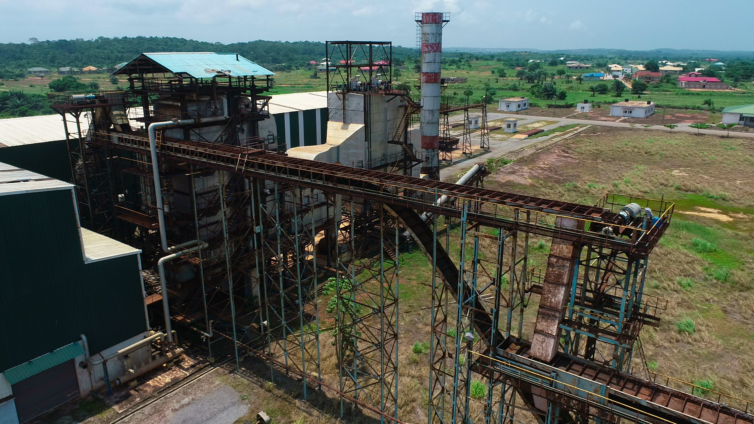
Trade Minister, Elizabeth Ofosu-Adjare, has disclosed that the Komenda Sugar Factory has been disconnected from power and water supply over unpaid bills.
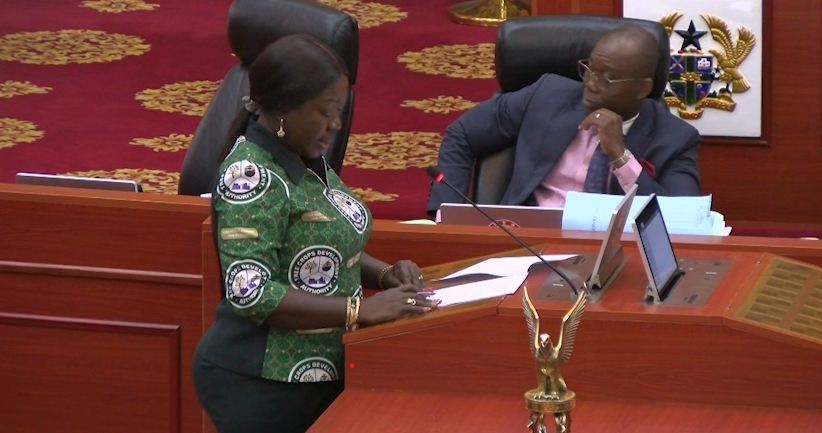
She made the revelation on the floor of Parliament on Tuesday, as she provided an update on the state of the Komenda Sugar Factory.
The legislator explained that the facility is currently burdened by significant debt, compounding longstanding technical and operational challenges that have stalled the facility’s operations.
According to her, the factory has been unable to run at full capacity due to extensive deficiencies in its machinery and equipment, which have not been refurbished since the plant was constructed in 2016.

“Technical and operational deficiencies have prevented the factory from running at full capacity. The machinery and equipment of the factory have not been refurbished since construction in 2016. Equipment generators and motors need maintenance, and the boiler top coil needs replacement to bring the factory back to life,” she told Parliament.
Mrs Ofosu-Adjare further revealed that the factory has been disconnected from the national grid by the Electricity Company of Ghana and from water supply by the Ghana Water Company Limited due to accumulated unpaid bills.
“Added to the poor state of the equipment, the facility has accumulated significant debts,” she said.
Read also:
- CDD raises red flag over GH₵20,000 gift threshold in ministers’ code
- GSA, Indian Investors Forge New Industrial Cooperation Path
- National Executive Council (NEC) of CLOGSAG threatens nationwide strike on March 9
- Majority, Minority clash over bill to revert NIB name to BNI and overhaul national security structure
- “I like players who give me problems”- Black Stars Head Coach Otto Addo
Beyond infrastructure and utility challenges, the Minister pointed to raw material shortages as a major obstacle to reviving the factory.
She explained that the farming communities that were expected to supply sugarcane have become disengaged, largely because of weak institutional support structures and unclear procurement arrangements.
“The farming community which was expected to anchor the raw material supply remains disengaged due to lack of institutional support and unclear procurement channels,” she noted.
As part of government’s response, Mrs Ofosu-Adjare announced that the Ministry of Trade and Industry has prioritised the engagement of a transactional advisor to restructure and package the factory for private sector participation.

“The ministry has prioritised the engagement of a transactional advisor to package the factory and secure a strategic investor to operationalise the factory and farms in the 2026 budget,” she said.
The Komenda Sugar Factory, a flagship industrial project under Ghana’s industrialisation drive, was originally envisioned to reduce the country’s heavy reliance on imported sugar and create jobs within the Central Region.
However, years of operational setbacks have left the facility largely idle, prompting renewed calls for a sustainable revival strategy anchored in private sector investment and efficient farm-to-factory linkages.