Read also:
- IEA Backs Mahama’s Call for Minerals Ownership
- GSA Aligns 2026 Roadmap with MoTAI’s Strategic Planning
- Minority presses Mahama to appoint substantive Defence and Environment ministers
- Gospel Music Icon Ron Kenoly Passes Away at 81.
- Mahama orders probe into alleged paid overseas scholarships
Els MBN360 News
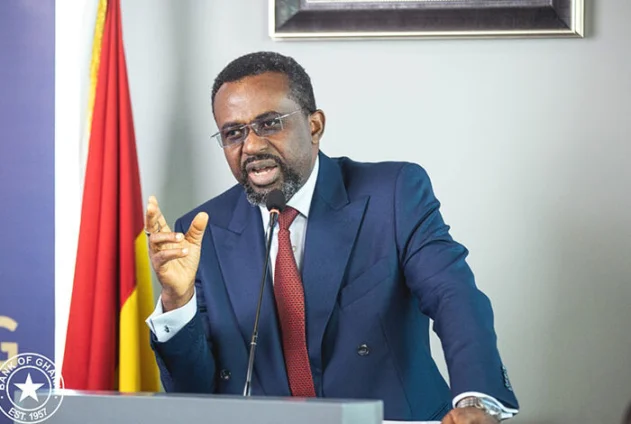
The Governor of the Bank of Ghana, Dr. Johnson Asiamah, has cautioned that Ghana’s scheduled exit from the International Monetary Fund programme later this year could introduce new pressures on capital flows and exchange rate dynamics, even as macroeconomic indicators show significant improvement.
Speaking to the media, the Governor underscored the need for sustained policy vigilance, warning that external uncertainties combined with the IMF exit could test recent stability gains.
According to Dr. Asiamah, the central bank is not taking the current macroeconomic calm for granted. While inflation has dropped sharply and reserves are improving, the transition period after the IMF programme requires careful management to prevent volatility in the foreign exchange market.
Capital Flows and Exchange Rate Dynamics Under Watch
The Governor acknowledged that Ghana’s engagement with the IMF has played a stabilising role, particularly in restoring investor confidence and improving fiscal discipline. However, he noted that the conclusion of the programme introduces uncertainty, especially in an unpredictable global environment marked by tight financial conditions and geopolitical risks.
“As the Bank continues with its policy vigilance during the easing cycle and reserve build-up, we expect to maintain the earlier gains. We note that the scheduled exit from the IMF programme later this year and the uncertainties in the global environment could influence capital flows and exchange rate dynamics.”Dr. Asiamah
This statement highlights the central bank’s concern that portfolio inflows and external financing conditions could become more sensitive to shifts in global risk appetite once the IMF backstop is removed. Capital flows, which are crucial for supporting the cedi, may respond quickly to global shocks, making exchange rate management more complex.
Policy Vigilance Remains Central to BoG Strategy
Dr. Asiamah stressed that the Bank of Ghana’s policy approach remains anchored on caution. Despite growing optimism about macroeconomic recovery, the central bank is prioritising stability over aggressive easing.
“Against the above backdrop, the Bank’s [BoG] policy strategy emphasises caution and vigilance”, he added.
This posture suggests that while monetary policy adjustments may continue, they will be calibrated to avoid reigniting inflationary pressures or undermining exchange rate stability. The Bank’s emphasis on vigilance reflects lessons learned from previous periods of macroeconomic stress, where rapid capital outflows and currency depreciation eroded economic confidence.
Inflation Drops Sharply as IMF Programme Delivers Gains
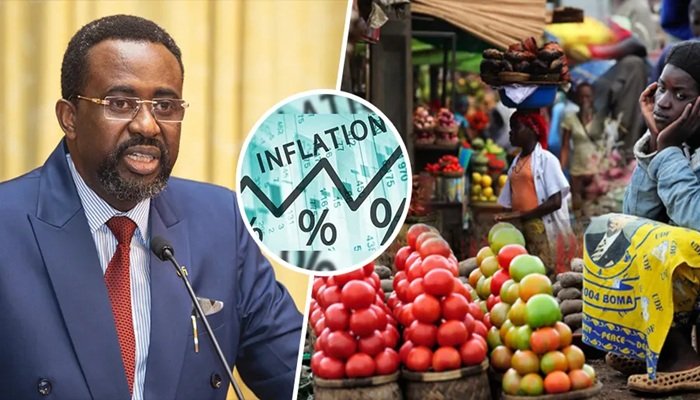
One of the most significant achievements under the IMF-supported programme has been the sharp and sustained decline in inflation. Headline inflation fell from 23.8 percent in December 2024 to 5.4 percent in December 2025, marking a dramatic turnaround in price stability.
According to the Governor, this disinflation reflects a combination of tight monetary conditions, improved fiscal coordination under the IMF programme, easing food supply pressures, and well-anchored inflation expectations. The decline has brought inflation firmly below the lower bound of the medium-term target, signalling that price pressures are now largely contained.
This progress has improved household purchasing power and reduced uncertainty for businesses, creating a more predictable environment for investment and growth.
Room for Rate Cuts Amid Restrictive Policy Stance
With inflation now significantly lower, Dr. Asiamah noted that real policy rates remain highly restrictive. This, he explained, provides room for additional rate cuts while still maintaining a sufficiently tight policy stance to safeguard price stability.
The implication is that the central bank has some flexibility to support economic activity through measured easing, without compromising its core mandate. However, any such moves will be carefully weighed against the potential impact on capital flows and the exchange rate, especially in the context of the IMF exit.
The Bank’s reserve build-up strategy is also expected to play a critical role in buffering the economy against external shocks. Stronger reserves enhance the central bank’s ability to smooth excessive currency volatility and reassure investors.
Navigating the Post-IMF Landscape
As Ghana prepares for life after the IMF programme, policymakers face the challenge of sustaining discipline without the external anchor that the programme provides. The Governor’s comments signal that the Bank of Ghana is keenly aware of these risks and is positioning itself to respond proactively.
Maintaining investor confidence, ensuring fiscal coordination, and preserving exchange rate stability will be central to this next phase. While the macroeconomic turnaround is evident, the transition period will require consistent policy signals and credible commitment to reform.
The scheduled IMF exit represents both an achievement and a test, one that will shape Ghana’s capital flows and cedi stability in the months ahead.