Els: MBN360 Education
he Government of Ghana has confirmed that a new nationwide teacher recruitment exercise will officially begin on April 10, 2026, marking a significant step toward addressing staffing gaps across the country’s education sector.
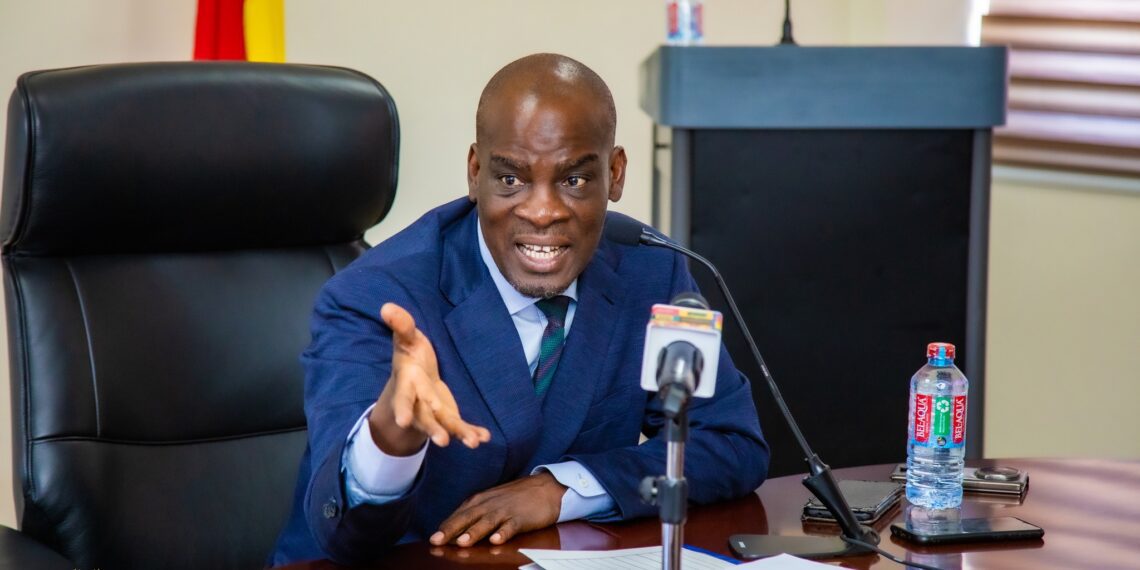
The announcement was made by Minister for Education and MP for Tamale South Hon. Haruna Iddrisu, who indicated that the process has received full clearance from the Ministry of Finance.
Speaking on the initiative, the Education Minister emphasized that the recruitment drive will target at least 7,000 teachers, with a focus on strengthening the workforce in underserved communities.
According to him, the exercise is designed to be fair, transparent, and competitive, ensuring that qualified graduates are given equal opportunity to enter the teaching profession.
He explained that graduates from the 2023, 2024, and 2025 cohorts are eligible to apply, signaling an effort to absorb the growing number of trained teachers who have remained unemployed in recent years.
“We want the process to be open, transparent, and competitive,” he stated, underscoring the government’s commitment to merit-based recruitment.
Focus on Underserved Communities
A key feature of the recruitment exercise is its targeted approach to addressing long-standing disparities in teacher distribution across Ghana, which has ignited concerns from education activists including Kofi Asare, the Executive Director for Africa Education Watch

The Minister highlighted that priority will be given to applicants who are willing to accept postings in deprived and underserved areas, where the shortage of teachers remains most acute.
Communities such as Savelugu in the Northern Region and Dambai in the Oti Region were cited as examples of areas where teacher deficits are particularly severe. These regions have historically struggled to attract and retain qualified educators, leading to uneven access to quality education.
The Minister acknowledged the challenge, noting that “there are significant gaps and deficits in the availability of teachers,” especially in rural and hard-to-reach communities. By directing recruitment efforts toward these areas, the government aims to ensure a more equitable distribution of educational resources.
This approach reflects a broader recognition that improving access to education requires not only infrastructure and materials but also the presence of skilled and committed teachers in every part of the country.
Shift Toward District-Based Recruitment
The upcoming recruitment exercise aligns with a broader policy shift announced earlier by President John Dramani Mahama, which seeks to decentralize teacher recruitment by moving away from centralized postings to a district-based system.
Read also:
- Ghana Launches National Shock Responsive Social Protection Strategy
- 3,000 Tonnes: Maphlix Leads Ghana’s Tomato Recovery
- Apologise over galamsey claims or face lawsuit — Dame to Kwakye Ofosu
- Mahama Signs 5 Key Bills Into Law, Reforms Security, Education, and Finance
Under the new framework, vacancies will be declared at the district level, and recruitment processes will be managed locally. This represents a departure from previous practices, where teachers were often posted centrally, leading to a concentration of staff in urban areas such as Accra, Kumasi, and Takoradi.

The decentralization policy is expected to address this imbalance by ensuring that districts with the greatest need are able to recruit directly. It also places greater responsibility on local authorities to identify staffing needs and manage the recruitment process accordingly.
The President has previously explained that the centralized system contributed to a situation where many teachers preferred urban postings, leaving rural schools understaffed. By requiring teachers to apply directly to districts with vacancies, the government hopes to create a more balanced and responsive system.
Addressing Graduate Backlog
Beyond improving distribution, the recruitment drive also aims to tackle the growing backlog of trained teachers who have been unable to secure employment. In recent years, the opening and closing of recruitment portals, often tied to election cycles, has created uncertainty and delays in hiring.
As a result, many qualified graduates have remained at home, waiting for opportunities to enter the workforce. The new recruitment exercise is part of a broader effort to introduce a more consistent and predictable hiring process.

Government officials have indicated that future recruitment will be conducted on a continuous basis, aligned with available vacancies and staffing needs. This approach is expected to reduce the accumulation of unemployed graduates and ensure a steady flow of new teachers into the system.
Implications for Education Sector
The planned recruitment of 7,000 teachers is expected to have a significant impact on Ghana’s education sector, particularly in improving classroom conditions and student outcomes.
By increasing the number of teachers, the government aims to reduce class sizes, enhance instructional quality, and expand access to education in underserved areas.
The emphasis on transparency and competitiveness in the recruitment process also reflects a broader effort to strengthen public confidence in government hiring practices. Ensuring that positions are filled based on merit is seen as essential to maintaining standards within the teaching profession.
At the same time, the success of the initiative will depend on effective implementation, including the ability of districts to manage recruitment processes and the willingness of teachers to accept postings in less developed areas.

As the April 10 launch date approaches, attention is expected to focus on the application process and the criteria for selection. Prospective applicants are likely to monitor announcements closely, particularly regarding how the district-based system will be implemented in practice.
The recruitment exercise represents a critical step in the government’s broader education reform agenda, which seeks to address structural challenges and improve outcomes across the sector. By combining increased hiring with policy reforms, authorities aim to create a more balanced and sustainable system.
Ultimately, the initiative reflects a recognition that education remains central to national development, and that investing in teachers is key to unlocking the potential of Ghana’s future workforce.