Read also:
- Ghana Introduces VAT Reward Scheme to Boost Tax Compliance
- Ghana’s Highlife Music Gets UNESCO Recognition
- GES Condemns Assault on Teacher at Kade SHTS, Launches Investigation
- Government Launches Peak-Hour Bus Service to Alleviate Commuter Worses
- Joint Security Exercise Set for Thursday in Accra
Els MBN360 News
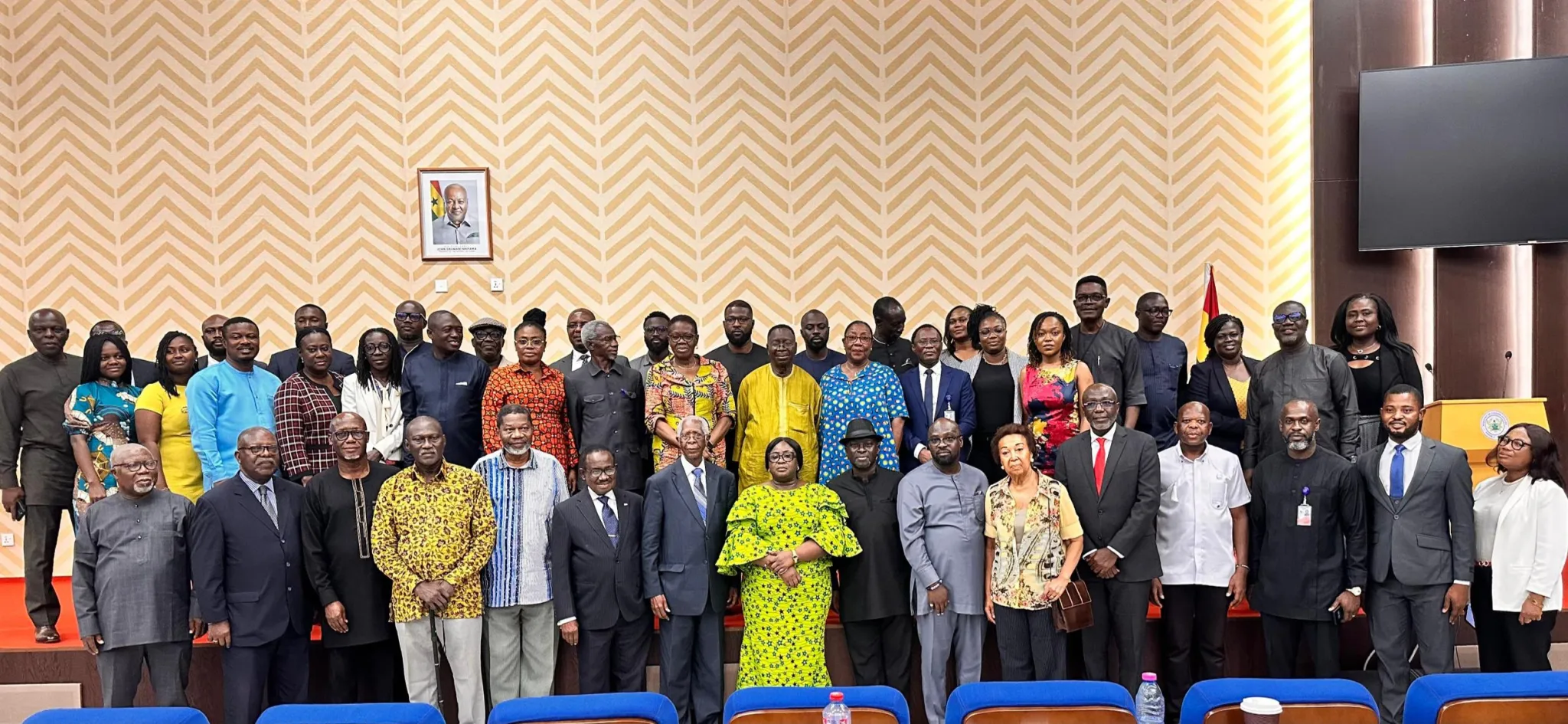
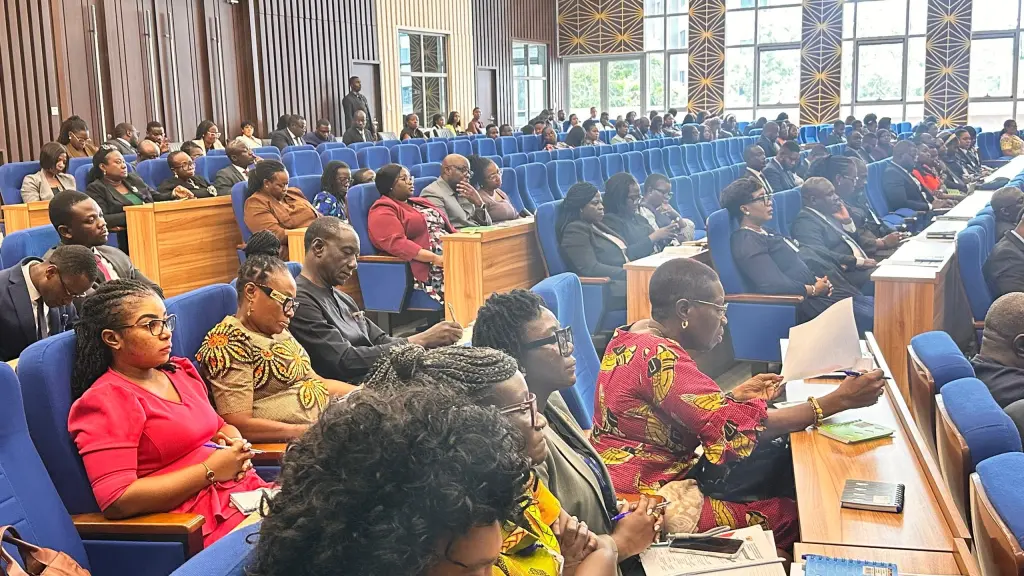
Ghana’s Ministry of Foreign Affairs has concluded a two-day stakeholders’ workshop aimed at shaping the country’s first Comprehensive Foreign Policy, emphasizing the need for a coordinated, people-centered, and forward-looking approach to global engagement.
The workshop, which brought together diplomats, security experts, academics, civil society organizations, and private sector leaders, identified key themes for Ghana’s foreign policy, including prioritizing national interests, improving inter-agency coordination, strengthening regional and multilateral influence, and enhancing people-to-people engagement through cultural diplomacy and diaspora relations.
Dr. Kamal-Deen Ali, Director-General of the Ghana Maritime Authority, stressed the importance of maritime diplomacy, citing the need for a just transition to address the economic burdens of decarbonization on developing countries.
The Ministry aims to finalize Ghana’s Comprehensive Foreign Policy, aligning it with national development goals and ensuring a cohesive strategy for global engagement.
Delivering the closing remarks on behalf of the Deputy Minister of Foreign Affairs, James Gyakye Quayson, Ambassador and Acting Coordinating Director for Political and Economic Affairs, Harold Agyeman, commended participants for their commitment and insights, noting that the contributions reflected a shared national desire for a foreign policy aligned with Ghana’s aspirations and realities. He stressed that shaping foreign policy requires collective input.
“It must necessarily be the product of collective wisdom, shared experience and a unified national purpose,” he said, emphasising the need for broad national ownership.
Ambassador Agyeman outlined four recurring themes from the discussions: the primacy of national interests; improved inter-agency coordination; strengthening Ghana’s influence within regional and multilateral institutions; and expanding people-to-people engagement through cultural diplomacy, diaspora relations, academic exchanges, and private sector collaboration.
He assured participants that their contributions will inform a structured policy framework to guide diplomatic practice and offer predictability to international partners.
Day Two also featured expert presentations on Ghana’s foreign policy evolution since independence, perceptions of Ghana’s global image, prospects of the African Continental Free Trade Area (AfCFTA), security and development issues within the African Union, and the growing relevance of maritime geopolitics.
Director-General of the Ghana Maritime Authority, Dr. Kamal-Deen Ali stressed the need to prioritize maritime diplomacy within the policy framework. He cautioned that the global shift toward decarbonization in the maritime industry could impose economic burdens on developing countries through increased shipping and consumer costs. He called for a just transition to prevent disproportionate impacts on vulnerable economies.
Dr. Ali also advocated increased private sector participation in the maritime value chain, including marine insurance and shipping services, to boost economic diplomacy.
“Any country that structures its foreign diplomacy very well must make maritime central,” he noted, adding that the sector is vital to global trade, security and connectivity.
With stakeholder consultations now concluded, the Ministry of Foreign Affairs will synthesise the inputs into a final draft of Ghana’s Comprehensive Foreign Policy for national validation. Once adopted, the framework is expected to strengthen strategic direction, enhance institutional coordination and align diplomacy with national development goals.
The Ministry reaffirmed its commitment to continuous engagement as the process progresses.