Read also:
- Ghana Water Company Limited Warns of 12-Hour Water Shutdown in Weija and Surrounding Areas
- Blaming Free SHS for Poor WASSCE Results is Unintelligent, Says Miracles Aboagye
- Health Ministry Pays Over 6,000 Newly Recruited Nurses
- Nurses, Midwives Slam Govt’s ‘Insulting’ Salary Offer
- Utility Inefficiencies Shouldn’t Be Passed on to Consumers – ICEG
El Samuels: MBN360 News
The Ghana Reference Rate (GRR) has seen a sharp decline in December, dropping to 15.9% from 17.73% in November, marking a 1.83 percentage point decrease. This significant drop is expected to ease borrowing costs for businesses and individuals in Ghana, providing some relief to the economy.
According to the Bank of Ghana, the decrease in the GRR is a reflection of the improving inflation outlook and the overall monetary policy stance. The rate is calculated based on the 91-day Treasury bill rate and the 182-day Treasury bill rate, and is used as a benchmark for lending rates in the country.
The drop in the GRR is expected to have a positive impact on the economy, making borrowing cheaper and increasing access to credit for businesses and individuals. This could lead to increased economic activity, job creation, and overall growth.
However, the Bank of Ghana’s latest Monetary Policy Report suggests a gradual easing: average lending rates have already dropped from 26.6% to 24.2%, signaling early signs of improved credit conditions.
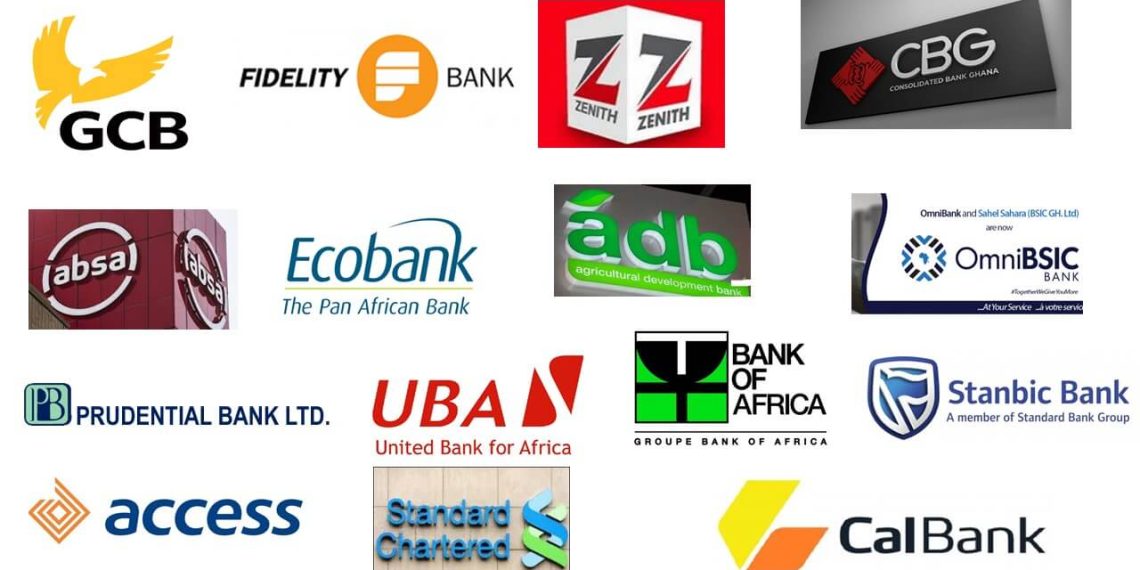
Analysts note that while the GRR decline will not instantly translate into cheap credit across all banks, it marks a significant turning point after months of contractionary policy.
The coming weeks will indicate how swiftly banks recalibrate their loan pricing structures and how strongly borrowers respond.
With the cost of capital now on a downward path, December may offer the most favourable lending conditions businesses have seen all year.