Read also:
- Ablakwa Opens Oti Regional Passport Centre in Dambai
- INSTEPR Urges BoG to Reform Gold Trading After US$214m Losses
- Galamsey Fight Gains Momentum in Western Region as Lands Minister Hand-overs Items to Operation Teams
- Bright Simons Blasts GoldBod for Discrediting IMF over $214m Losses Report
- TAGG Raises Red Flags Over ‘No Cost to State’ Claim in GRA–TRUEDARE Agreement
Els Samuels: MBN360 News
Minority Caucus in Parliament has sounded a dire economic alarm, projecting that Ghana is on track to lose approximately $300 million by the end of 2025 due to the controversial operations of the newly established Ghana Gold Board (GoldBod).
This projected deficit follows a bombshell disclosure from the International Monetary Fund (IMF) Fifth Review report, which confirmed that the Bank of Ghana (BoG) already incurred a staggering $214 million loss within the first nine months of 2025 alone.
According to the Minority, these losses are not mere accounting frictions but the result of a “pipeline for draining national wealth” through opaque intermediary structures and a lack of competitive transparency in the artisanal gold sector.
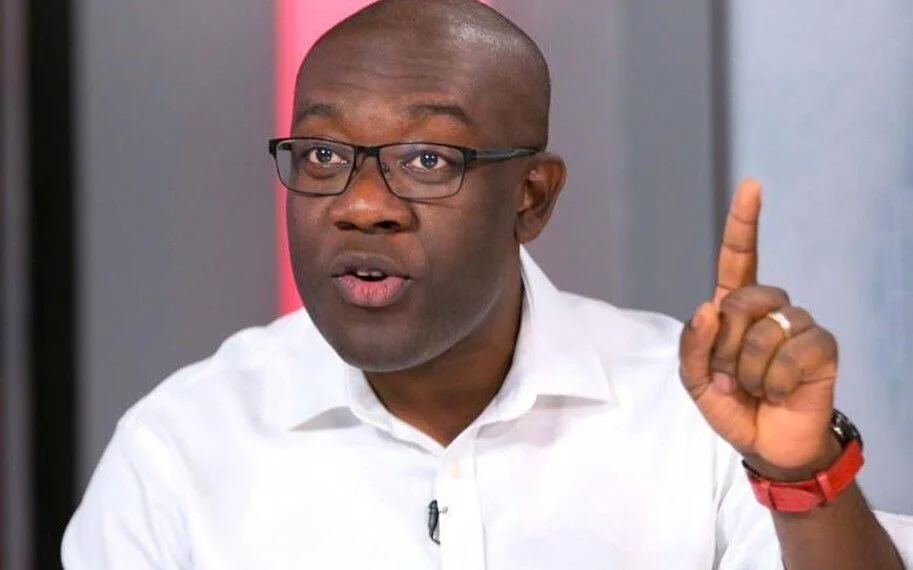
“It is about the news that Ghana stands to lose some $300m in 2025 through the activities of GoldBod. Already, from the IMF Report, in the first nine months alone, $214 million was stated as lost. We believe to focus on the central bank alone may miss the plot.”Hon. Kojo Oppong Nkrumah
Expanding on these fiscal concerns, the Minority argued that the current architecture of the Gold-for-Reserve (G4R) program has evolved from a sovereign reserve-building strategy into a high-cost “institutional capture.”
The $214 million loss reported by the IMF is attributed primarily to trading shortfalls in artisanal and small-scale mining (ASM) doré gold transactions and “GoldBod off-takers’ fees.”
Expert analysis suggests the deficit arises because GoldBod reportedly purchases gold at full market spot prices but sells to international off-takers at discounts of 3% to 5% to cover refining and logistics, a cost currently absorbed by the central bank.
If these operational inefficiencies and intermediary fees persist, the caucus warns that the total drain on the state’s coffers will balloon by an additional $86 million in the coming fiscal year.
The Bawa-Rock Monopoly and Institutional Secrecy

Central to the Minority’s “Golden Betrayal” address is the emergence of Bawa-Rock Ltd, a private entity owned by Alhaji Bawa, which has allegedly been granted a de-facto monopoly as the sole aggregator licensed to purchase artisanal gold for GoldBod.
Hon. Kojo Oppong Nkrumah, speaking for the caucus, questioned the criteria for selecting this specific firm, demanding to know the “beneficial owners” and why competition was sacrificed for a centralized private gateway.
This monopoly is seen as a primary driver of “rent-seeking” behavior, where every small-scale producer must pass through a single private intermediary before gold reaches national reserves. The Minority contends that this “deliberate and needless monopoly” prevents fair pricing and creates a veil of secrecy over the actual value of gold being traded.
IMF Red Flags and the Threat to Fiscal Sustainability
The IMF’s intervention has added a layer of international legitimacy to these local concerns. In its recent assessment, the Fund flagged the “large and increasing scale” of the domestic gold purchase program as a “significant downside risk” to the Bank of Ghana’s financial sustainability.
The $214 million loss represents roughly 0.2% of Ghana’s GDP, a figure the IMF insists should not be borne by the central bank.
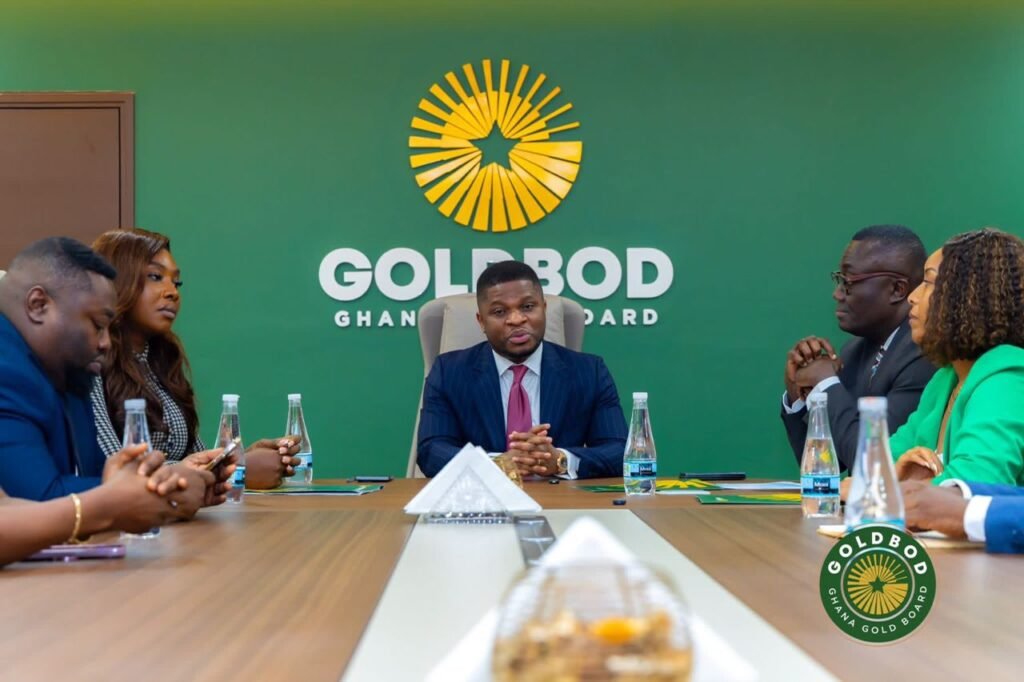
While GoldBod CEO, Sammy Gyamfi countered these claims, asserting the board is set to declare an income surplus of GH¢600 million, the Minority argued this is a “shell game” where GoldBod’s internal profits are essentially fees paid by the BoG, effectively shifting public losses from one state pocket to another.
Demands for Transparency and Environmental Accountability

In a bid to halt the “economic sabotage,” the Minority is demanding a bipartisan parliamentary inquiry with subpoena powers to audit all contracts, licenses, and “aggregator selection criteria” linked to the Bawa-Rock arrangement.
Beyond the financial hemorrhage, the caucus linked these activities to environmental degradation, suggesting that state funds might be unwittingly “used to buy Galamsey gold” from forest reserves due to a lack of mine-level traceability.
They have called for an immediate suspension of mining permits in forest reserves and the implementation of a blockchain-based traceability system.
Without these reforms, the caucus warns that the “shadow of institutional capture” will continue to undermine the economic dignity of the Ghanaian people.