Read also:
- Black Stars World Cup Ticket Prices Revealed: GHS 1,600 to GHS 6,860
- Sports Minister lays Sports Development Fund Bill before Parliament
El Samuels: MBN360 News
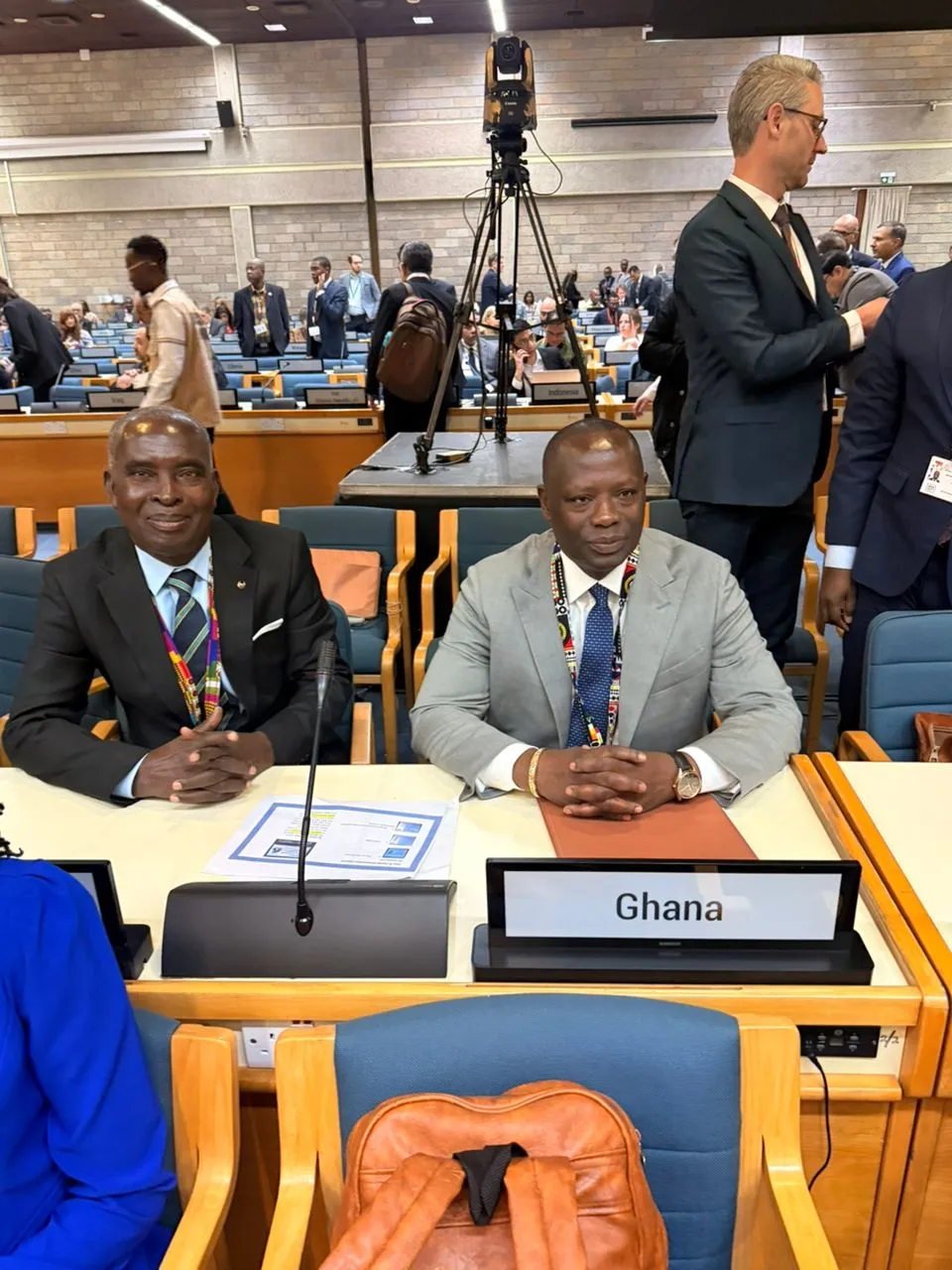
Ghana’s Minister for Lands and Natural Resources, Emmanuel Armah-Kofi Buah, has called for fair climate finance and stronger global environmental rules at the Seventh Session of the United Nations Environment Assembly (UNEA-7) in Nairobi, Kenya. Speaking on behalf of President John Dramani Mahama, Minister Buah emphasized the need for developed countries to uphold their commitments to funding green transitions in developing countries, stressing transparency in carbon reduction targets and technological partnerships.
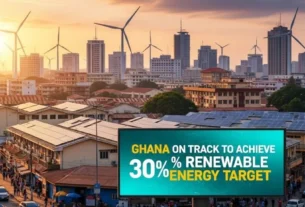
The Minister highlighted Ghana’s domestic actions, including efforts to protect forests and water bodies, strengthen environmental governance, and accelerate the country’s clean energy transition. He announced the launch of a US$3.4 billion clean energy investment plan, which will expand solar and wind generation, build mini-grids, and support solar-powered irrigation for farmers.
Minister Buah also called for stronger global rules on hazardous waste, chemicals, plastics, and e-waste, emphasizing that developing countries need fairer terms in the global environmental and green minerals economy. He urged delegates to turn commitments into implementation, describing UNEA-7 as a moment for collective resolve.
The Minister’s address underscored Ghana’s commitment to science-led governance, with the recent withdrawal and reconstruction of Legislative Instrument 2462, which he described as an example of leadership grounded in science and public accountability.

“Science spoke. The people spoke. Leadership responded,” he emphasized. “We have designated key forest reserves as red zones where mining cannot be permitted, and reclamation programmes are restoring degraded landscapes and riverbanks.”
He also announced the launch of a US$3.4 billion clean energy investment plan in Accra, which will expand solar and wind generation, build mini-grids, and support solar-powered irrigation for farmers.
“It is a defining step in West Africa’s clean energy future,” he said, adding that the initiative reflects President Mahama’s vision for “a resilient, innovative, and inclusive transition.”
Ghana Pushes Global Commitments on Pollution and Plastics
On the margins of UNEA-7, the Minister participated in high-level side events, including the Global Partnership Action on Plastics, where he outlined Ghana’s leadership role in the Intergovernmental Negotiating Committee (INC) process toward a global plastics treaty. He also joined a UNEP-hosted dialogue on synergies across multilateral environmental agreements, where he discussed Ghana’s coordinated efforts on climate, biodiversity, pollution, artisanal mining, air quality, and environmental governance.
Calling for stronger global rules on hazardous waste, chemicals, plastics, and e-waste, the Minister stressed that developing countries needed fairer terms in the global environmental and green minerals economy.

“Countries like Ghana must be supported to add value at home while protecting ecosystems and communities,” he said. “We call for climate finance that is accessible, predictable, and fair—and for technological partnerships that allow nations to act at the speed demanded by science.”
A Call for Delivery, Not Declarations
Mr. Armah-Kofi Buah urged delegates to turn commitments into implementation, describing UNEA-7 as a moment for collective resolve.
“The time for declarations without delivery is over,” he declared. “Let the clarity of our rivers match the clarity of our resolve. Let the green of our forests reflect the prosperity we seek for our people.”
He concluded with a call for a global compact that accelerates real change: “Let Nairobi be remembered not for the words we spoke, but for the systems we changed.”