
Read also:
- Lebanon Accuses Israel of Committing Environmental Crime
- Bawumia’s Bid for 2028: Can He Secure Ghana’s Future
- Korle Bu Lab workers to embark on strike today
- Chairman Wontumi Declares Bid for NPP Chairmanship
- AG Presents Legal Education Reform Bill to Parliament
Els MBN360 News
hana has initiated a monumental shift in its extractive narrative, transitioning from a primary exporter of raw mineral ores to a sophisticated producer of refined bullion.
This strategic pivot, spearheaded by the Ghana Gold Board (GoldBod) through a landmark agreement with Gold Coast Refinery and Rand Refinery, aims to establish the nation as Africa’s premier processing hub by February 2026.
By internalizing the refining process, the state is moving to halt decades of capital flight and “capture billions of dollars in lost revenue” that previously leaked to foreign intermediaries.
Under this transformative framework, the GoldBod will oversee the refining of at least one metric ton of gold weekly, a move designed to eliminate the historical “purity losses” suffered during offshore assaying.
This domestic mandate is not merely an industrial upgrade but a fiscal necessity; it allows the state to retain millions in processing fees and recover valuable silver by-products that were previously forfeited.
The partnership leverages the technical oversight of South Africa’s Rand Refinery to ensure that every bar produced in Accra meets the stringent “99.5% minimum purity” required for international “Good Delivery” status.
“In an era characterized by economic uncertainty and global competition, Ghana is poised to reclaim its status as a leader in the gold market. With concerted effort, commitment to quality, and a focus on sustainability, the vision of becoming Africa’s gold refining powerhouse can indeed become a reality.”Ghana Gold Board
Strategic Value Addition and Fiscal Sovereignty
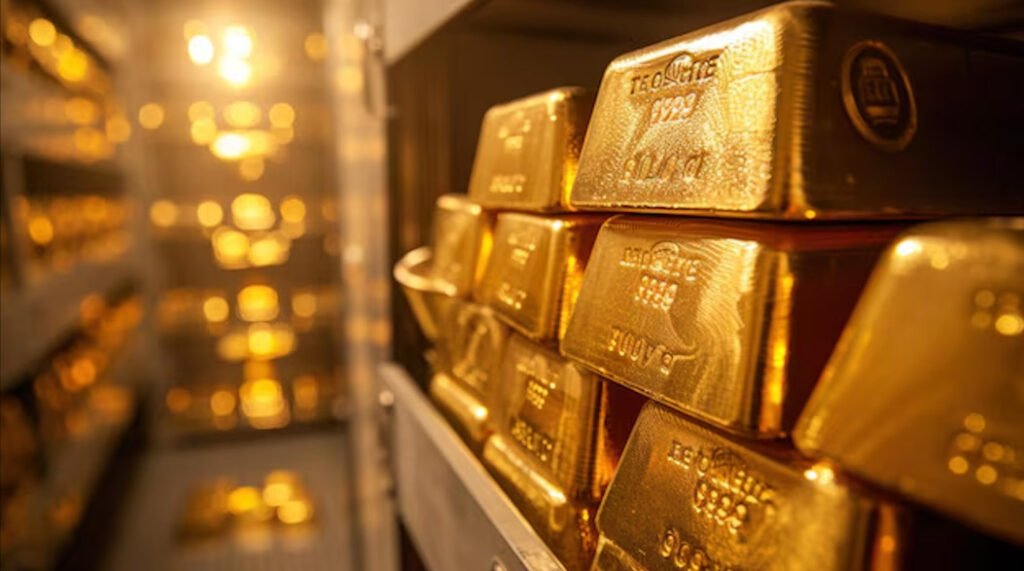
The “GoldBod-Gold Coast” deal is a masterstroke in resource nationalism that integrates the state directly into the value chain through a 15% free carried interest in the refinery.
This equity stake ensures that the Republic of Ghana is no longer a “stranger” to its own resources but a primary shareholder in the profits generated from the refining process.
By operating a 24/7 production cycle, the initiative aligns with the national “round-the-clock economy” policy, expected to catalyze a surge in direct metallurgical employment and ancillary growth in logistics and quality control.
Furthermore, the local availability of refined silver and gold will provide a competitive edge to Small and Medium Enterprises (SMEs) in the domestic jewelry and fabrication sectors, fostering a “ripple effect” of industrialization.
Advanced Metrics for Global Leadership

To ensure Ghana leads the global market, the Gold Board has advanced a rigorous compliance and modernization roadmap. A critical step involves the transition from traditional XRF and water density testing to the Fire Assay method, internationally recognized as the “gold standard” for precision.
The Gold Board has already secured land at the Kotoka International Airport’s Cargo Village for an ISO-certified laboratory to house these operations. This infrastructure, coupled with a strict adherence to OECD and LBMA (London Bullion Market Association) guidelines, ensures that Ghanaian gold is ethically sourced and fully traceable.
By cleaning the supply chain of “deleterious substances” and ensuring “transparency and traceability,” the Board is positioning the nation’s bullion to command premium pricing on the world stage.
Navigating the Path to Institutional Excellence

While the vision is expansive, the Gold Board is diligently addressing the “supply consistency” required to feed the refinery’s 180-metric-ton annual capacity.
The Board is actively negotiating with the Chamber of Mines to secure commitments from large-scale miners, while simultaneously formalizing artisanal and small-scale mining (ASM) sectors to ensure a steady stream of doré.
This transition is backed by a robust “capacity building” agenda, focusing on training Ghanaian youth in metallurgy and refinery management to ensure the project’s long-term sustainability. As the February 2026 rollout approaches, this initiative stands as a “declarative stance on self-sufficiency,” signaling to the global market that Ghana is no longer just a source of raw wealth, but a “gold processing powerhouse” in its own right.