The Health Minister has asserted that the free primary healthcare initiative seeks to address the shortfalls in the current health sector and provide an all-inclusive health system for citizens regardless of geographical location. The policy focuses on delivering free healthcare at the primary level in the CHIPS compounds, various community health centers, and polyclinics across the country. This means that citizens will enjoy healthcare services in these facilities without financial constraints. The initiative seeks to break the barriers to accessing primary healthcare in the country.
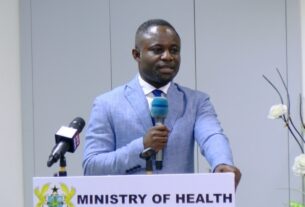
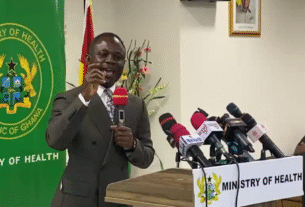
The Minister for Health, Honourable Kwabena Mintah Akandoh, in his speech, said that efforts are underway to provide a more structured and robust means of ensuring disease prevention and health promotion. The strategy he announced will be to bring free primary healthcare to the doorsteps of people. Communities and households will enjoy the health services at their convenience, thereby enhancing accessibility and improving the response rate.
He went on to further reiterate that there will be no financial commitments on the side of citizens who wish to acquire the free primary healthcare services. He noted that the means of accessing healthcare was by presenting a valid national identity card. He therefore urged citizens who have not registered with the National Insurance Scheme to do so, and that without it, one cannot enjoy the benefits of the free primary healthcare.

National Insurance Scheme Still Relevant
The Minister stressed the need for the National Health Insurance by differentiating between the free primary healthcare and the subscription to the National Health Insurance. He opined that the free primary healthcare program does not cover all sectors of health needs but is targeted at the CHIPS compounds, polyclinics, promotive and preventive services. Therefore, citizens will need the National Health Insurance card when referred to district and teaching hospitals. So people must ensure that. He said people must ensure they enroll in the insurance to benefit from services that are not covered by the free primary healthcare policy.
He emphasized the need for the healthcare system to include disease prevention and promoting efforts rather than the over-reliance on treatment. This will ensure that the public is enlightened on means of protecting themselves from diseases and staying healthy, rather than only seeking a cure after contracting the diseases.
Coverage Of The Free Primary Healthcare
The free primary healthcare initiative will ensure that when citizens visit health facilities within its scope, they will receive services such as routine screening for some health conditions, which include cancer, maternal and child health services, antenatal care, postnatal care, and immunization. Group monitoring, health promotion activities such as NCD risk counselling, immunization, safe water management, menstrual hygiene, and others are some of the packages to be enjoyed under the free primary healthcare policy.
Read also:
- Ghana–Jamaica Homecoming Festival Gains Strategic Backing, Positions Itself as Global Diaspora and Investment Platform
- Thomas Partey pleads not guilty to two further counts of rape
- Court eases bail terms for Osei Assibey Antwi in National Service Scandal
Emergency Services Included In Free Healthcare Program
Emergency care, a vital issue in Ghana’s health sector, will not be left out of the policy. Basic emergency care and referral services will be equally accessible to beneficiaries of the policy. Primary care, as the Honorable Minister stated, forms the majority of the healthcare needs of the population, with about 80% issues comprising primary healthcare, hence the need for the issue to be adequately tackled to ensure equitable and accessible health to Ghanaians. Ensuring quality healthcare at the primary level, the Minister believes, will ultimately reflect in the overall healthcare in the country.
“If we get our primary health care right, what it means is that we are getting our system right and we will have a resilient health sector and health system. And this policy they’ll be accessible without payment.”Minister for Health, Honourable Kwabena Mintah Akandoh

At the implementation of this policy, people can now walk into the CHIPS compound, health center, or polyclinic without paying a dime and would still be walking out strong because they had access to quality yet free healthcare. “As a facility, they will not only be treated for immediate concerns, but also routinely screened for conditions which often go undetected,” he said.
This policy, when implemented, will also ensure the routine screening for health issues that are often overlooked or not easily detected. This will lead to treating detectable health concerns at the various facilities or referral of the patient, depending on the intensity of the situation. There will be basic laboratory tests, maternity care, and minor procedures, and if there is a need for further care, that patient will be referred adequately. He said, “This is a system that is connected, that is continuous, and people-centered.”
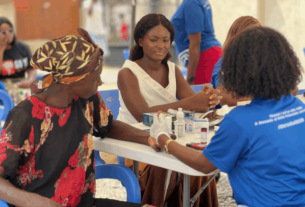
He reiterated that the free primary healthcare initiative is not confined to facilities alone, but comprises community outreach programs, making it accessible for all. Health professionals will, under the policy, visit routine check-ups in homes and schools, and engage in community health awareness campaigns. This policy will ensure proactive ways of dealing with the health sector challenges with regard to accessibility facing the country.