Els: MBN360 Business
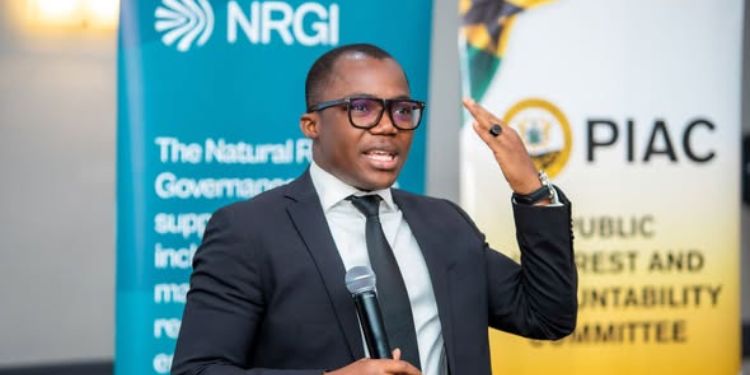
Patrick Stephenson, the Country Manager for the Natural Resource Governance Institute (NRGI), has warned that persistent delays and systemic inefficiencies in the disbursement of mineral royalties to mining host communities are severely undermining public trust.
Patrick Stephenson noted that these bottlenecks are not merely administrative hurdles but are actively weakening the efficacy of development interventions intended for grassroots impact.
The failure to streamline these financial flows, he argued, creates a disconnect between the wealth generated from extractive activities and the socio-economic reality of the people living in those areas.
“What has become clear from these discussions is that the inability of revenue administrators to follow through on the law has broken trust, with significant implications for equitable resource management. These delays have real consequences. They limit the ability of communities to undertake critical development projects and reduce the overall impact of mineral revenues at the local level.”Patrick Stephenson, the Country Manager, NRGI

Building upon these concerns, Stephenson highlighted a critical gap in the administration of Ghana’s Minerals Development Fund (MDF), which is legally mandated to ensure mining communities receive a fair share of revenues.
He observed that while the legal framework for resource management exists, the consistent failure of revenue administrators to fully comply with these provisions has eroded the credibility of the sector. This lack of compliance directly impacts the broader mining value chain, creating a ripple effect of stalled social investments.
According to Stephenson, the “inability of revenue administrators to follow through on the law has broken trust,” leading to significant negative implications for how the state manages its natural heritage equitably.
The Economic Toll of Administrative Bottlenecks

The governance challenges facing the extractive sector are further complicated by the operational scope of the Minerals Income Investment Fund (MIIF).
Read also:
- Kwahu Easter paragliding festival opens at Odweanoma
- Van Dijk apologizes as Liverpool “Give Up” FA Cup dream
- GPL: Hearts of Oak end winless run, move third after 1-0 win Over Young Apostles
- Deliver value for money or face sanctions – GETFund warns contractors.
- Mahama heads to France for health summit and talks with Macron
While recent legislative reforms have theoretically granted the MIIF greater independence to identify and invest in viable projects, Stephenson raised pertinent questions regarding the “strength of its governance systems.”
Without robust mechanisms for transparency and accountability, even the most well-intended investments risk falling short of their potential. The NRGI manager emphasized that for mineral revenues to serve the best interest of citizens, institutional credibility must be restored through rigorous oversight.
Restoring Community Trust Through Timely Funding

Timely disbursement is not just a matter of fiscal discipline; it is a catalyst for sustainable local development.
When royalties reach mining communities without delay, they empower local authorities to address immediate needs such as education, healthcare, and clean water infrastructure. Early disbursement serves a “better purpose” by allowing for proactive rather than reactive planning.
It ensures that development projects are synchronized with the actual life cycle of the mine, preventing a situation where communities only see the benefits of their resources long after the environmental impact has peaked.
Strategic Governance for a Green Transition

As Ghana navigates the complexities of the global energy transition, the management of traditional minerals like gold and emerging transition minerals becomes even more critical.
Stephenson stressed that “improving governance across all institutions” responsible for extractive revenues is the only pathway to achieving equitable outcomes.
By addressing the “challenges within the broader mining value chain,” including the constraints in timely disbursement, the government can transform mineral wealth into a resilient foundation for the country’s future.
Ultimately, transparency remains the “sine qua non” for a harmonious relationship between mining firms, the state, and the host communities.