Els: MBN360 News
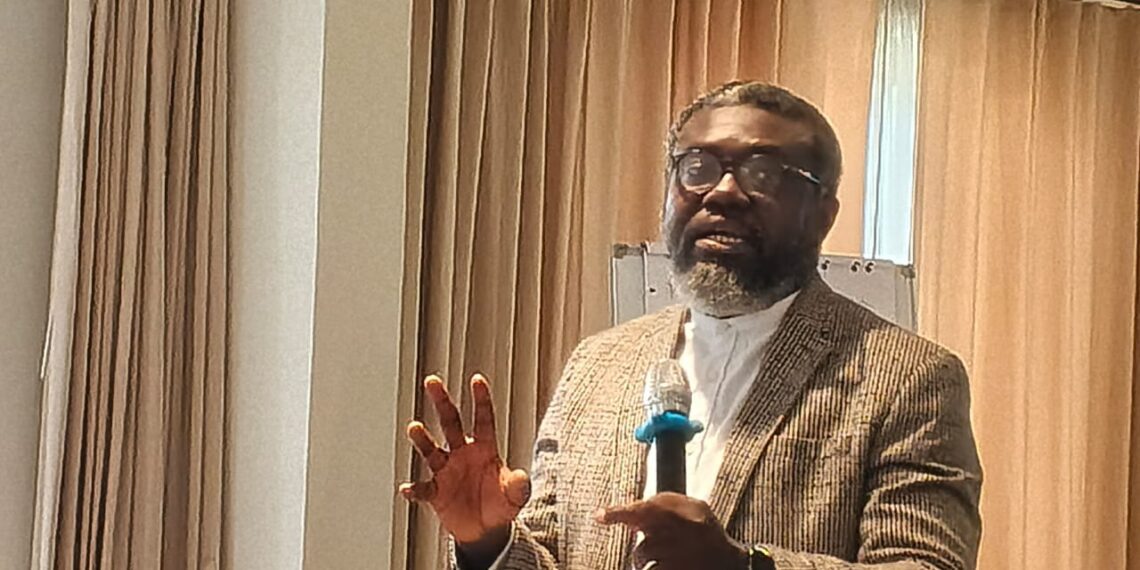
Private legal practitioner and social activist Osagyefo Oliver Barker-Vormawor has called on Ghana’s business and financial community to take a leading role in the country’s ongoing constitutional reform process, arguing that many of the structural barriers to economic growth are rooted in the design of the Constitution itself.
According to him, the tendency to leave constitutional reform to lawyers and politicians has limited progress in addressing systemic economic weaknesses.
He maintained that issues such as macroeconomic instability, land tenure insecurity, opaque resource contracting, and a politicised public service are not merely policy failures but outcomes of deeper constitutional deficiencies identified by the Constitutional Review Committee, widely known as the Prempeh Commission.
At the core of Barker-Vormawor’s argument is the claim that Ghana’s persistent fiscal challenges are embedded in its constitutional framework. He pointed to the country’s economic record under the Fourth Republic, noting repeated engagements with the International Monetary Fund and a history of fiscal instability.
“Ghana’s fiscal record under the Fourth Republic is grim. Since 1992, the country has entered into 17 programmes with the International Monetary Fund, remaining under active IMF supervision for 40 of its 68 years of independent existence”.Osagyefo Oliver Barker-Vormawor, Legal Practitioner and Activist
He further noted that in 2022, the country defaulted on its sovereign debt for the first time, with public debt reaching 92.6 percent of gross domestic product.

He also highlighted the country’s low revenue mobilisation, with a revenue to GDP ratio of 15.8 percent, significantly below both regional and global averages. At the same time, public expenditure remains heavily concentrated, with compensation, interest payments, and statutory transfers consuming a large share of government spending.
“These numbers are not accidents of policy. They reflect a constitutional architecture that permits rather than constrains fiscal behaviour.”Osagyefo Oliver Barker-Vormawor, Legal Practitioner and Activist
According to him, provisions governing public finance under Chapter 13 of the 1992 Constitution are largely permissive rather than regulatory, allowing governments to engage in excessive spending with limited structural constraints.
Consequences for private sector growth
Barker-Vormawor stressed that the effects of this constitutional design are directly felt by the private sector. He noted that macroeconomic volatility, exchange rate instability, and high borrowing costs create an unpredictable business environment.
Businesses, he explained, often struggle with delayed government payments, limited access to credit, and fluctuating policy conditions, all of which undermine long term investment planning.
He added that heavy government borrowing frequently crowds out private sector access to finance. “These are not abstract governance issues,” he said. “They translate into real costs for businesses operating in Ghana.”

Among the key recommendations of the Prempeh Commission is the introduction of a constitutionally mandated medium term fiscal framework. This proposal would require government to present detailed economic projections and fiscal strategies to Parliament before the annual budget is approved.
Read also:
- Mahama Nominates Five Members to Lead Ghana’s Fiscal Council
- Politics of Tolerance: Promoting Good Governance and Development in Ghana
- Major brands exit UK music festival as Keir Starmer slams Kanye West booking
- Mohammed Raii gifts Stonebwoy brand-new land cruiser in grand show of support
- BoG Governor reaffirms Cedi stability at Kwahu Business Forum.
The framework would include projections for economic growth, inflation, debt levels, revenues, and expenditures over a three to five year period. Parliament would be required to approve the framework, creating a binding structure for fiscal planning.
While Ghana has previously used medium term expenditure frameworks, Barker-Vormawor noted that these have largely functioned as internal tools without enforceable accountability. Elevating the framework to constitutional status, he argued, would transform it into a mechanism for transparency and discipline.
For the business community, this would provide greater predictability and enable more informed decision making. It would also reduce the likelihood of sudden fiscal adjustments that disrupt economic activity.
Tackling extra budgetary spending
Another critical issue highlighted by Barker-Vormawor is the prevalence of extra budgetary spending. He pointed to the use of internally generated funds by public institutions, which often operate outside central oversight, as well as the proliferation of statutory funds that limit fiscal flexibility.
The proposed reforms would require parliamentary approval for the retention of internally generated funds and introduce caps on earmarked funds as a proportion of total tax revenue. Additionally, statutory funds would be subject to sunset clauses, requiring periodic review and renewal.

According to Barker-Vormawor, these measures would improve government cash management and reduce inefficiencies that often lead to the accumulation of arrears. “When government cannot optimise its cash resources, contractors go unpaid and private sector confidence is eroded,” he said.
Beyond outlining the technical reforms, Barker-Vormawor emphasised the need for the private sector to actively engage in the reform process. He argued that businesses have a direct and material interest in shaping the constitutional framework that governs economic activity.
He urged business leaders, financial institutions, and industry associations to advocate for reforms that promote fiscal discipline, transparency, and accountability.
“The structural conditions that make Ghana a difficult environment for sustained private sector growth are constitutional issues.If the business community wants stability, it must take an interest in how the Constitution is designed.”Osagyefo Oliver Barker-Vormawor, Legal Practitioner and Activist
Reform seen as pathway to stability
Barker-Vormawor concluded that meaningful constitutional reform is essential to achieving long term economic stability and sustainable growth. He maintained that aligning governance structures with economic realities will create a more predictable and resilient environment for businesses.
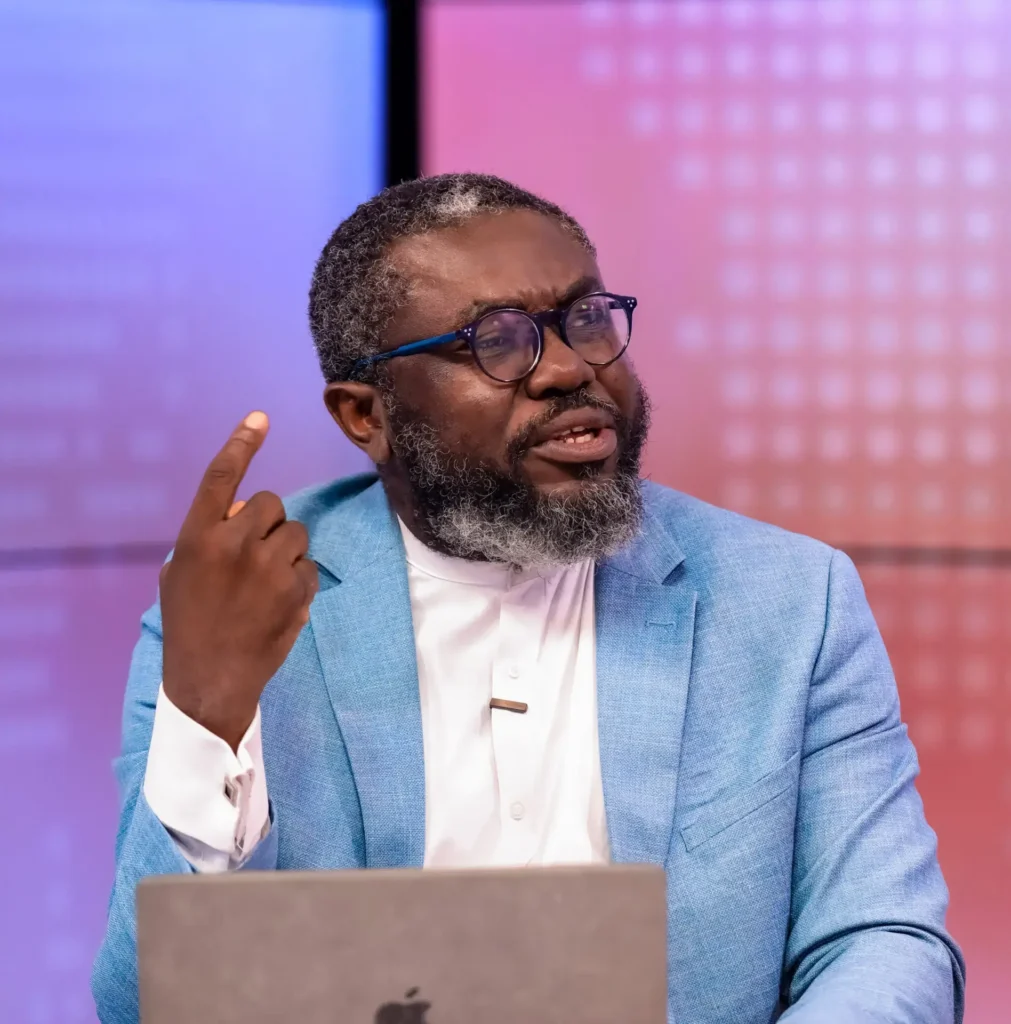
As Ghana continues to confront economic challenges, the call for private sector leadership in constitutional reform highlights the interconnected nature of governance and economic development.
The outcome of the reform process, he suggested, will have lasting implications for the country’s investment climate and growth trajectory.