Els: MBN360 News
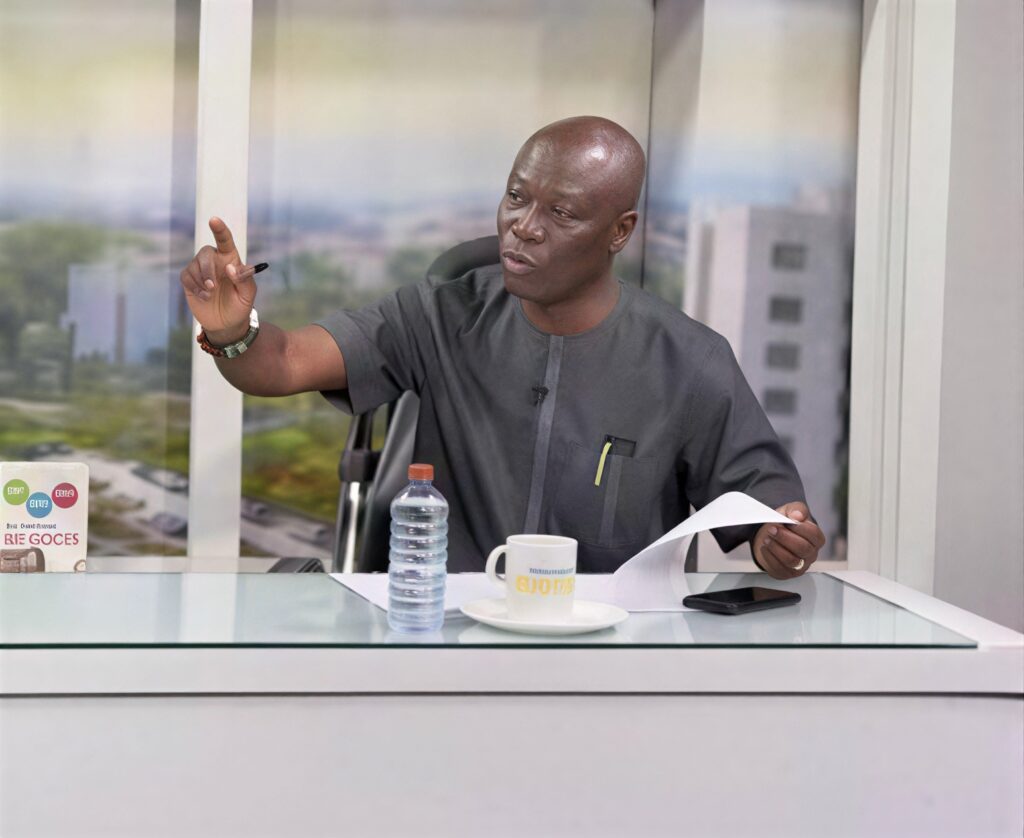
The Former National Coordinator of District Road Improvement Programme, Edwin Nii Lante Vanderpuye has stated that his decision to step away from his DRIP coordinator role emerged from a personal assessment of his political journey and a growing desire to give back to the National Democratic Congress.
Mr. Vanderpuye explained that his political roots trace back to the revolutionary era when he became actively involved as a student. He recalled immersing himself in political mobilisation long before the formation of the NDC and described those early years as central to shaping his public life.
He noted that his involvement began within the Eagle Club, a movement he said later transitioned into the Eagle Party before eventually feeding into the creation of the NDC. Mr. Vanderpuye indicated that the transition was difficult because many internal disagreements have to be resolved before the party could take shape.

“I will call myself a foundation member of the NDC. It was not easy for us during that period. There was a real fight to build the party.” Edwin Nii Lante Vanderpuye
Against this background, he credited the party for opening major doors in his career. He said the NDC gave him opportunities that elevated him from activism into national leadership and public administration.
“I’ve committed myself and I’ve been loyal. I’ve worked hard for the party, and the party has blessed me with so many opportunities. I count myself privileged and lucky that through the party, I’ve been encountered as someone who has held public office before in this country. Leaving parliament, I felt that I have not given the NDC that much as compared to what I have received.” Edwin Nii Lante Vanderpuye
Mr. Vanderpuye cited several public offices he occupied through the party’s trust in him. He referenced his work with John Evans Atta Mills, where he served in strategic operational roles before later working under John Dramani Mahama in ministerial positions.

He stated that his service under both administrations strengthened his leadership capacity and broadened his understanding of governance. These experiences, he said, equipped him with practical knowledge in administration, policy implementation and national coordination.
The former coordinator also described the District Roads Improvement Programme as one of the most impactful interventions undertaken by government. He argued that the programme holds strong potential to improve access for rural communities and unlock economic opportunities in underserved parts of the country.
“It is the best programme government can articulate if we want to open this country to vulnerable people in rural areas.” Nii Lante Vanderpuye
In discussing his resignation, Mr. Vanderpuye stressed that his decision was not driven by dissatisfaction with public office. Instead, he said years of service convinced him that his contribution to the party had not matched what the party had invested in him.
He suggested that loyalty to a political organisation must extend beyond occupying office. In his view, experience gained through leadership must eventually be channelled back into strengthening the institution that created those opportunities.
Mr. Vanderpuye argued that personal advancement carries responsibility and said political blessings should translate into service for others. He therefore said his next chapter would focus on helping reposition the NDC through reform, organisational strengthening and strategic leadership. The former coordinator added that his accumulated knowledge now belongs at the disposal of the party as it prepares for future political contests.
Read also:
- Enock Morrison Joins Al Merrikh After MVP-Winning Season With Gor Mahia
- Political Uncertainty Threatens Government and Economy, Simon Case Warns
- Undav Brace Sinks Ivory Coast at the Death
- GES Bans SHS Graduation Ceremonies Over Extravagant Celebrations
- Accra Next Steps Conference Adopts Roadmap to Advance Global Reparatory Justice
Grassroots Voice Central To Future Party Reforms
Nii Lante Vanderpuye also set out a vision for the future leadership of the NDC, declaring his intention to seek the party’s national chairmanship if current chairman Johnson Asiedu Nketia decides not to contest again.
Mr. Vanderpuye said indications within the party suggest that Mr. Asiedu Nketia may step aside when the next internal elections arrive. While no formal announcement has been made, he said ongoing consultations have strengthened his confidence in preparing for a leadership bid.
Former Coordinator, Mr. Vanderpuye nonetheless made clear that his ambitions remain guided by principle and loyalty. He stated that he would not contest against the current chairman if he chooses to seek another term.
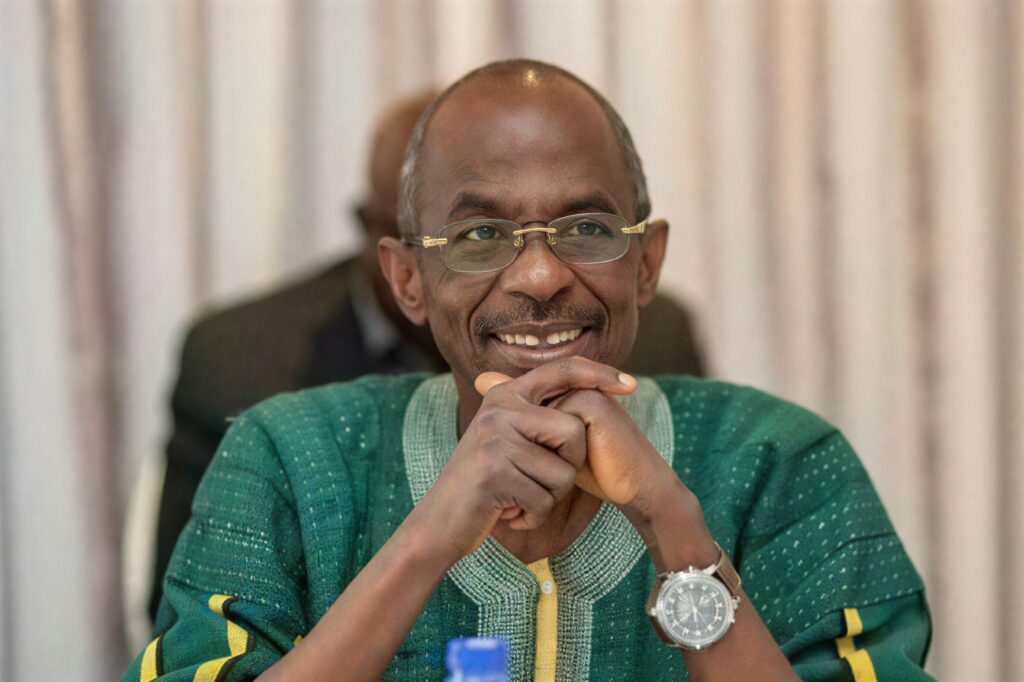
The position, he said, reflects longstanding personal and political ties built over decades. He recalled earlier political organising in Sunyani alongside senior figures such as Huudu Yahaya, E. T. Mensah, Nana Konadu Agyeman-Rawlings, Kwamena Ahwoi and Totobi Quakyi.
“If he decides to contest once again, I will go for another position. I am a principled person.” Nii Lante Vanderpuye
Beyond the contest itself, Mr. Vanderpuye outlined how his leadership would differ. He acknowledged that every leader brings a unique style, even when working towards similar goals.
He said his focus would rest heavily on building a stronger and more resilient NDC capable of remaining relevant in both government and opposition. Such resilience, he argued, would make the party the natural political home for young Ghanaians.
Closely tied to this ambition is a renewed emphasis on grassroots participation. Mr. Vanderpuye said the future strength of the party depends on giving constituency structures greater influence over policy direction.
He argued that national executives often carry the mandate to make major decisions, yet no consultation would improve legitimacy and unity. Policy choices affecting grassroots members, he added, should reflect direct contributions from local structures.
To achieve this, he proposed a more structured reporting system across the party hierarchy. Minutes from constituency meetings, he suggested, should move through regional offices before reaching national leadership.
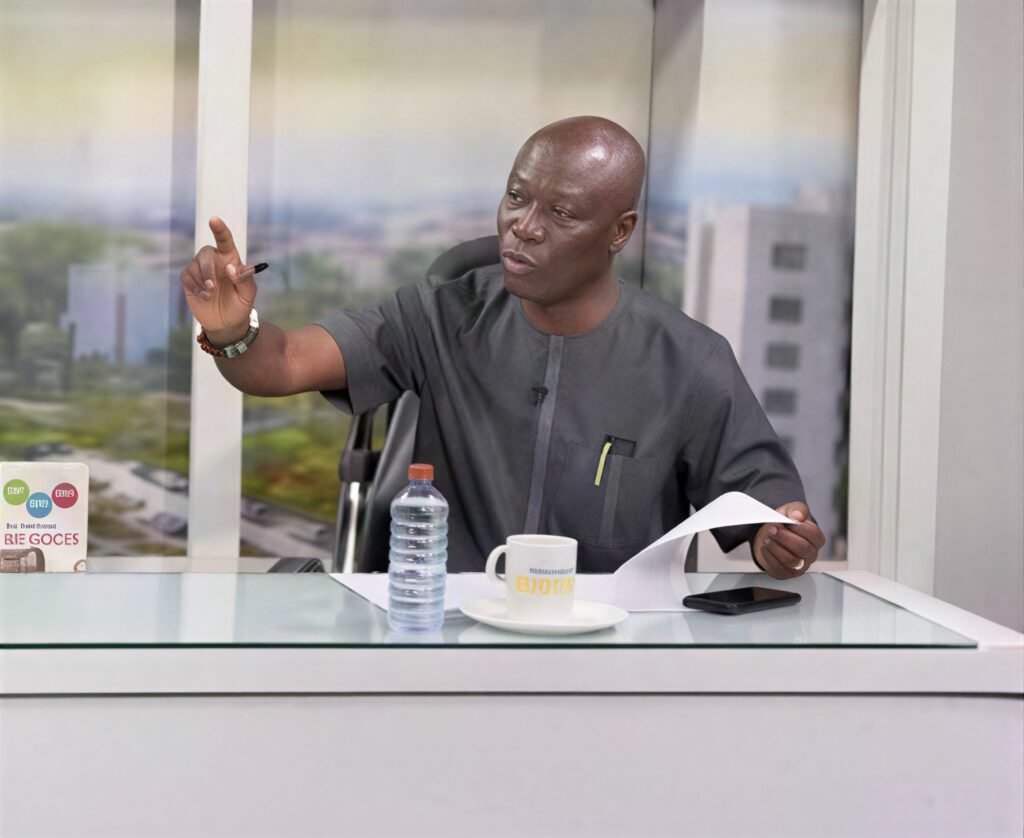
Such a system, he said, would ensure that major decisions reflect the collective views of all 275 constituencies. Mr. Vanderpuye added that future policy formulation should emerge from continuous dialogue between local organisers, regional leaders and national executives.
He further indicated that leadership must become more responsive to ordinary party members. This model, he added, would deepen internal democracy and strengthen long term organisational cohesion.
In setting out this vision, Mr. Vanderpuye signalled that his political future centers less on office and more on institutional renewal. He ultimately affirmed that party growth, youth appeal and grassroots empowerment would define the leadership philosophy he hopes to bring to the NDC.