
Els: MBN360 Extractives/Energy
The Ghana Mine Workers Union (GMWU) has urged the government to halt its current directive forcing owner-mining companies to transition their operations to local contractors, cautioning that the policy could drastically reduce state tax revenues and dismantle established worker welfare standards.
The labor group firmly asserts that while accelerating indigenous participation in the extractive ecosystem remains a noble and valid socioeconomic objective, the current blueprint overlooks foundational risks.
Without rigid safeguards, the sudden structural shift is poised to trigger a damaging ripple effect throughout the broader economy, characterized by severely depressed wages, diminished pension collections, and a contraction of the national tax basket.
“What does the nation stand to gain if you give a contract to a Ghanaian contractor who pays lower wages, resulting in lower pay-as-you-earn taxes, reduced pension contributions and generally lower benefits? Everything goes down. As a result, even the corporate-related payments that should accrue to the state and support economic development are reduced.”Deputy General Secretary of GMWU, Jerry Kwabena Andoh
The GMWU highlighted that the core vulnerability of the current strategy lies in the operational and financial disparities between major multinational corporations and emerging domestic contract firms.
Multinational entities historically maintain structured, highly standardized employment systems that guarantee substantial income brackets, robust Pay-As-You-Earn (PAYE) returns, and consistent tier-structured pension payouts to the state. Conversely, many incoming local contracting firms are either financially unequipped or systematically unwilling to sustain these high-tier labor conditions.
Consequently, a forced industry-wide transition threatens to erode the comprehensive payroll bases that public finances rely upon, substituting high-yielding corporate and individual tax flows with heavily minimized economic returns.
Operational Disparities Threaten Labor Standards and Pension Stability
The shift from well-established owner-mining frameworks to domestic contract firms poses an immediate threat to the long-term pension security of Ghanaian mining professionals.
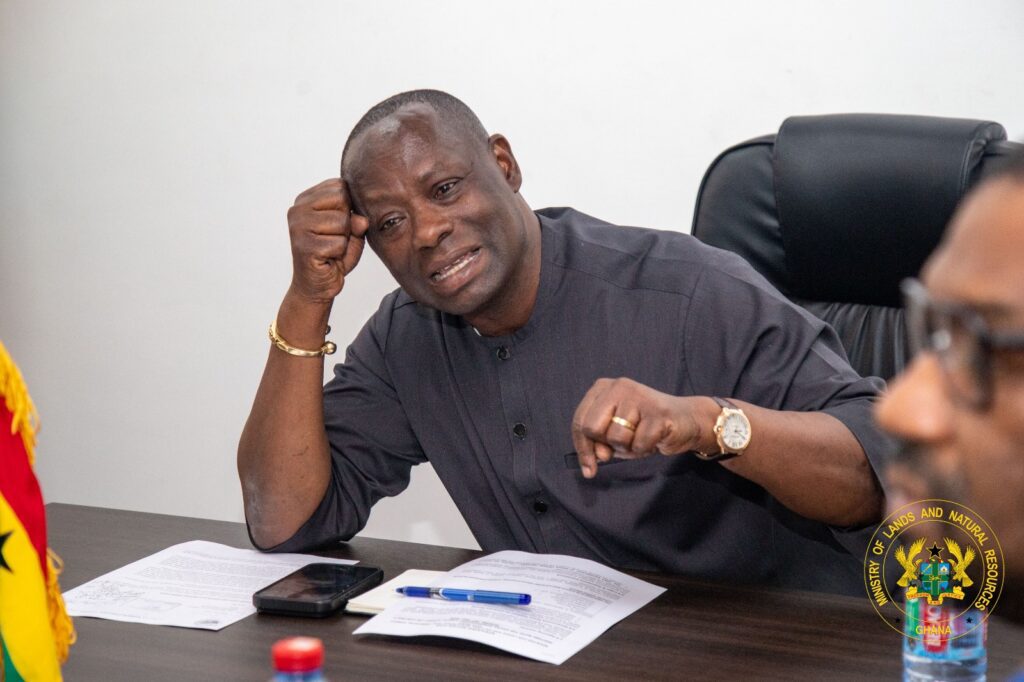
Speaking on the sidelines of the 98th Annual General Meeting (AGM) of the Ghana Chamber of Mines in Accra, the Deputy General Secretary of GMWU, Jerry Kwabena Andoh, pointed out that the union has dedicated decades of rigorous collective bargaining to secure acceptable employment benchmarks.
He warned that these structural achievements could be completely reversed if the Minerals Commission’s aggressive transition mandate is enforced without comprehensive regulatory frameworks.
Labor dynamics within the extractive ecosystem strongly validate these concerns. According to Mr. Andoh, worker sentiment within the sub-sector overwhelmingly favors multinational employment over local arrangements.
“If you conduct a survey among workers in the mining sector and ask them to choose between working for a local company and a foreign company, most will choose the foreign company,” he explained.
Read also:
- NDC’s Honeymoon Phase Will Dwindle With Time — Oquaye Jnr
- AMA to lock up shops over unpaid fees and property rates
- Israel and Hezbollah agree to ceasefire after intensified fighting threatens US-Iran talks
- NEDCo unveils digital billing revolution to eliminate delays and improve accuracy
- 2026 World Cup: USA beat Australia to sit on top of Group D
This preference is deeply tied to contractual reliability, as employees maintain far greater confidence that salaries, social security allocations, and Tier Two pension contributions will be fully honored by large-scale owner-mining operators rather than local subcontractors.
Regulatory Directives and the Peril of Corporate Fronting
The immediate catalyst for the friction is the strict enforcement of the Minerals and Mining (Local Content and Local Participation) Regulations, 2020 (L.I. 2431).
Under the 6th edition of the Local Procurement List, which officially took effect on January 1, 2025, the Minerals Commission directed major producers to phase out their internal owner-mining departments.
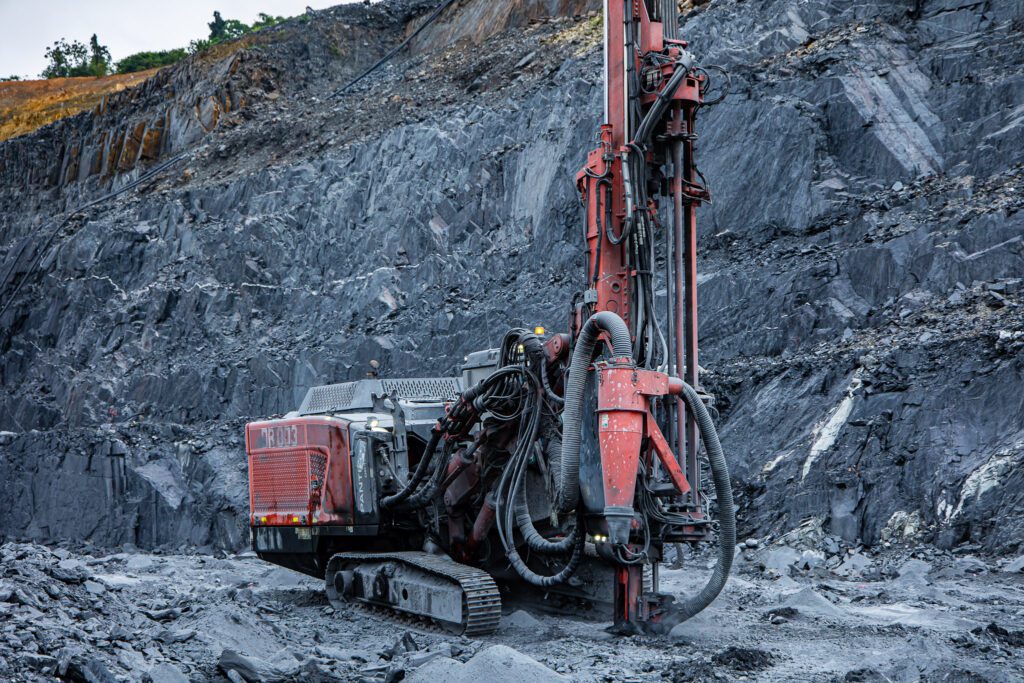
The framework mandates that all surface mining operations must be exclusively executed by wholly Ghanaian-owned contract mining firms, while underground mining contracts require a minimum of 50 percent indigenous equity and corporate directorship.
Failure to execute these transitions carries severe regulatory sanctions from the commission.
However, the rapid enforcement of L.I. 2431 creates an environment ripe for structural manipulation and corporate fronting. The GMWU fears that international operators facing expulsion from active operations will simply utilize local proxies to maintain their market positions.
Mr. Andoh strongly cautioned that if the state does not carefully audit these new arrangements, the sector will end up with entities that “appear Ghanaian on paper, but in reality, they will be mining on behalf of foreign interests.”
This dynamic ultimately deprives the country of actual indigenous capacity building while allowing untaxed capital flight to persist under the guise of localization.
Structural Safeguards Needed to Protect Ghana’s Extractive Economy
Major tier-one producers currently operating directly via internal owner-mining frameworks including Newmont, Ghana Manganese Company (GMC), and Zijin Mining face immense pressure to comply with the new procurement directives.
The GMWU emphasizes that discussions regarding the redistribution of natural resource wealth must look beyond the mere ownership profile of a corporate contract and thoroughly account for the socio-economic welfare of the human capital driving the production.

To prevent a structural deterioration of the mining economy, the union is demanding an immediate freeze on the transition policy.
“We align with the objective, but it should not be extended for now until we have cleaned up the system,” Mr. Andoh concluded, insisting that implementation must wait until the state establishes binding regulatory safeguards.
By introducing standardized labor baselines and strict financial compliance audits for indigenous firms before granting operational exclusivity, the government can effectively protect its domestic revenue streams, secure workers’ retirements, and ensure that local content policies deliver genuine national prosperity.