Els: MBN360 Sports
Ghanaian football finds itself at a critical inflection point, where a series of events within a few days exposed deeper structural and philosophical cracks in the game.
What initially appeared to be routine international preparations for the 2026 FIFA World Cup has instead triggered a period of reflection, uncertainty, and urgent decision-making across both the national team and the domestic league.
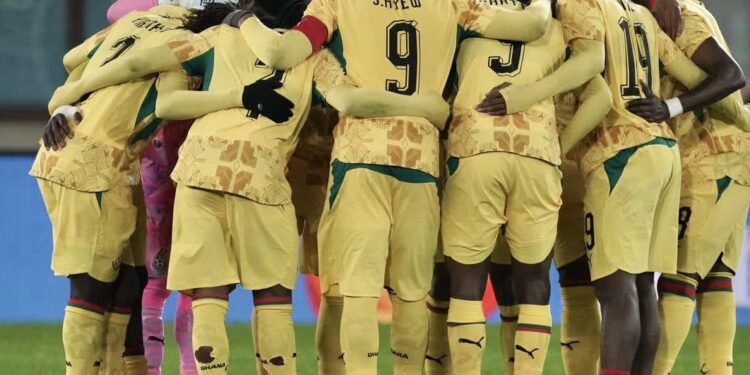
The Black Stars endured a humiliating 5-1 defeat to Austria, followed by a more competitive yet still disappointing 2-1 loss to Germany last month.

While friendly matches are typically used for experimentation and fine-tuning, the performances raised serious concerns. It was not merely the defeats that alarmed observers, but the absence of cohesion, tactical clarity, and any recognizable playing identity.
Head coach Otto Addo did little to reassure critics when he described his approach as reactive, likening his tactical flexibility to choosing cutlery based on the type of meal.
“When I eat fufu I use my hand. When I eat soup, I use a spoon and when I eat rice I use a fork”.Otto Addo
While adaptability is a valuable trait in modern football, his comments reinforced the perception of a team without a defined philosophy.
In elite football, successful teams impose themselves. They do not simply adjust to opponents.
Swift Response From GFA

The response from the Ghana Football Association was swift. Addo was relieved of his duties immediately after the defeat to Germany, a decision that, despite questions over timing, was widely supported by fans and analysts.
The dismissal reflects mounting frustration over stagnation, inconsistency, and a lack of visible progress. However, removing the coach is the easy part. The harder task lies ahead. Rebuilding a team that has clearly lost its identity.
The search for a new head coach now becomes one of the most consequential decisions in recent Ghanaian football history.
This is not just about appointing a tactician to win matches in the short term, but about defining a long-term footballing philosophy that aligns with Ghana’s heritage and future ambitions.
The Next Head Coach Dilemma

The next leader of the technical team must establish a clear playing identity, restore confidence, and reconnect the team with its supporters.
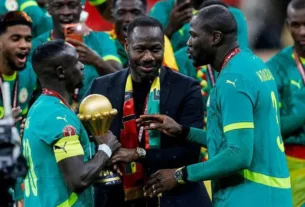
Speculations about the next head coach have pointed to several directions and names. Former coach of the Black Stars, James Kwasi Appiah, 2015 AFCON winner with Ivory Coast, Harve Renard, and 2022 World Cup semifinalist with Morocco, Walid Regragui and Desmond Offei were all mentioned.
As those names fizzled out, the name of the 2014 World Cup winning coach with Germany, Joachim Low was mentioned though the German tactician came out to acknowledge that “no one has contacted him” from the Ghana Football Association in relation to the Black Stars’ vacant role.
Also, names like former Portugal national team coaches Paulo Bento and Fernando Santos have been linked with the job in recent days.
Whoever lands the job has work to do with barely just two months to the Mundial in the USA, Canada and Mexico.
Read also:
- Spurs Dealt a Huge Blow After Kudus’ Latest Injury Setback
- Ghana’s Black Damsels secure back-to-back African Schools Football Championship title
The State of the Local Game

Yet, even as attention focused on the national team, another development shook the foundations of the domestic game.
Hohoe United’s decision to withdraw from the Ghana Premier League has sent shockwaves across the football fraternity. Citing concerns over officiating and alleged systemic bias, the club’s move has raised serious questions about governance, fairness, and credibility within the league.
This development goes beyond one club. It exposes long-standing issues that have plagued Ghanaian football, including inconsistent officiating, lack of corporate sponsorship, and administrative challenges.
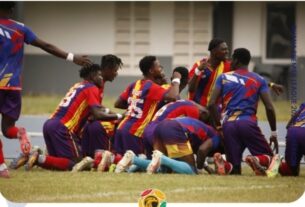
The withdrawal threatens to undermine progress made in recent years, particularly in regions like Volta, where clubs such as Hohoe United and Heart of Lions have helped revive local interest and competitiveness.
Still, the decision to abandon must be challenged. History shows that successful clubs endure adversity rather than leave competition.
Walking away risks setting a dangerous precedent, one that could destabilize the league further if others follow suit. Reform, not retreat, is the only sustainable path forward.
Amid these challenges, attention inevitably returns to the deeper issues affecting the Black Stars.
Ghana’s golden era, particularly during the 2006 and 2010 World Cup campaigns, was built on continuity, identity, and a strong core of players with deep-rooted connections to the domestic game.
That foundation appears increasingly absent today. The current squad is largely composed of players developed abroad. While their individual quality is undeniable, the collective identity that once defined the team seems diminished.
Icons such as Stephen Appiah, Michael Essien, Asamoah Gyan, Mubarak Wakaso and Sulley Muntari represented a generation where playing for Ghana transcended professional duty. It was defined by sacrifice, leadership, and pride.
That intangible spirit is what the current team must rediscover if it is to compete at the highest level.
Personal Opinion

This reality underscores the need for a deliberate policy shift. Integrating a meaningful percentage of home-based players into the national team could help restore identity while strengthening the domestic league.
A target of at least 20 percent representation would not only improve cohesion but also create a clearer pathway for local talent. The benefits are both sporting and financial.
Increased visibility for domestic players would boost the profile of the league, attract sponsorship, and provide clubs with financial incentives through FIFA compensation mechanisms during major tournaments.
It would also inspire the next generation of footballers within Ghana. As the Ghana Football Association continues its search for a new head coach, the focus must extend beyond immediate results.
This is a defining moment that demands strategic thinking, not reactive decisions. The next appointment must align with a broader national vision centered on identity, continuity, and sustainable development.
Ultimately, Ghana football stands at a crossroads. The challenges facing the Black Stars and the domestic league are deeply interconnected, and addressing them requires bold, coordinated action.

If handled correctly, this moment of crisis could become a turning point, an opportunity to rebuild a stronger, more unified footballing identity. Failure, however, would only deepen the cracks that are already beginning to show.